Quick FactsOverview
About Rudas Thermal Bath
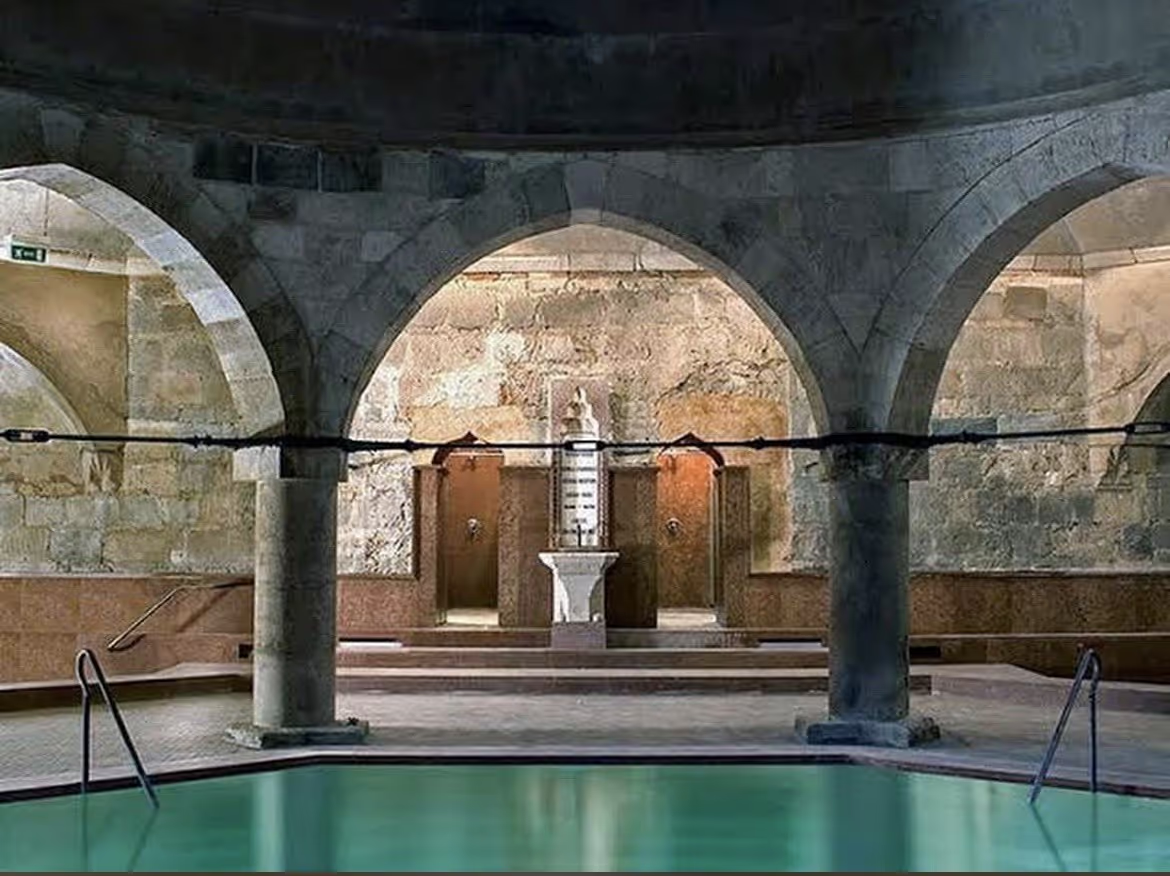
Rudas Thermal Bath, Hungary is a historic medicinal bath complex in Budapest on the Buda side of the Danube, at the foot of Gellert Hill, with a thermal bathing history stretching back to at least the 13th century. The centrepiece is a 16th-century Ottoman octagonal pool built in 1566, covered by a 10-metre dome with star-shaped light apertures that cast coloured reflections across the water. It is one of the best-preserved Turkish bath structures in Europe and continues to operate as an active gyogyfurdo.
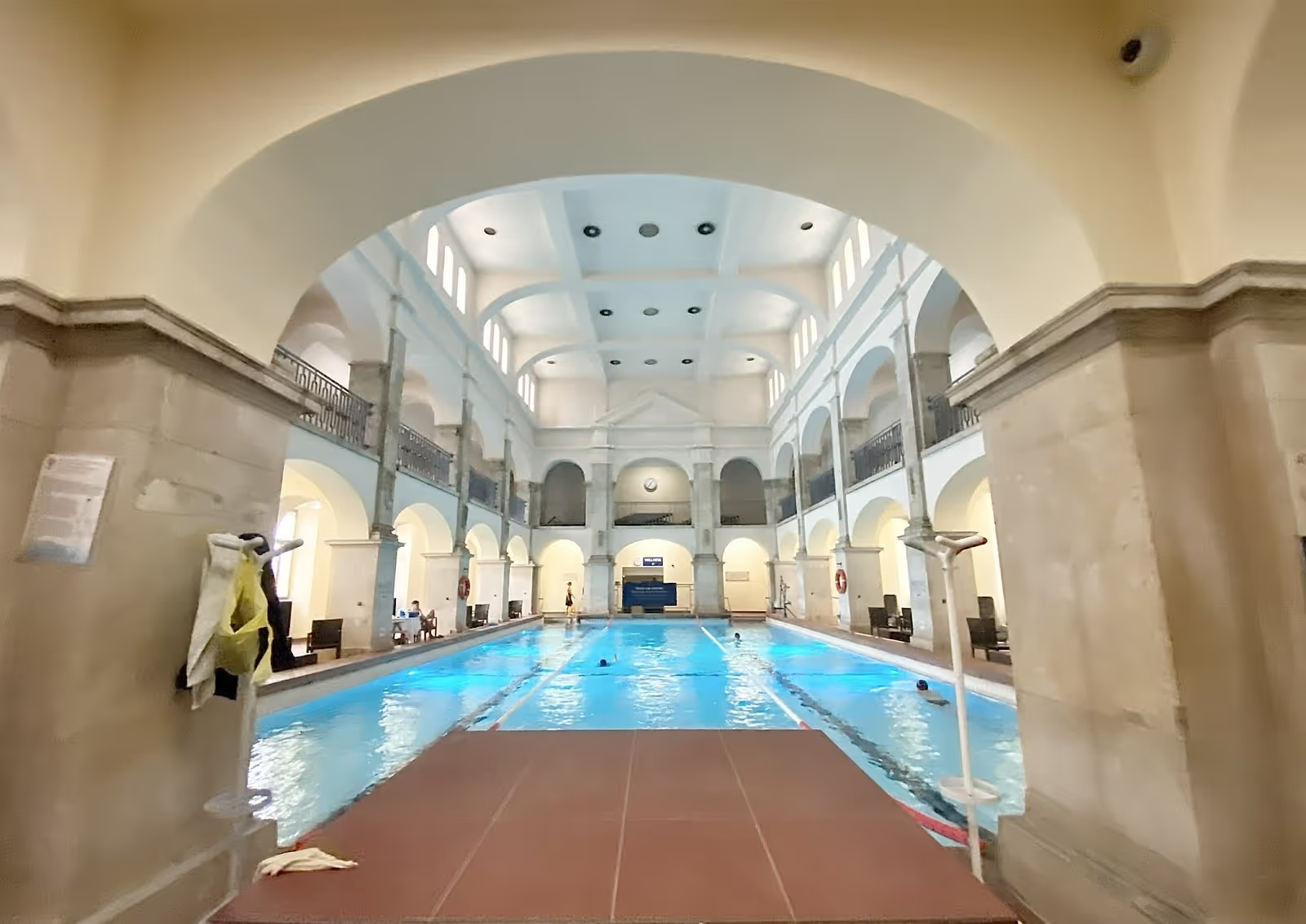
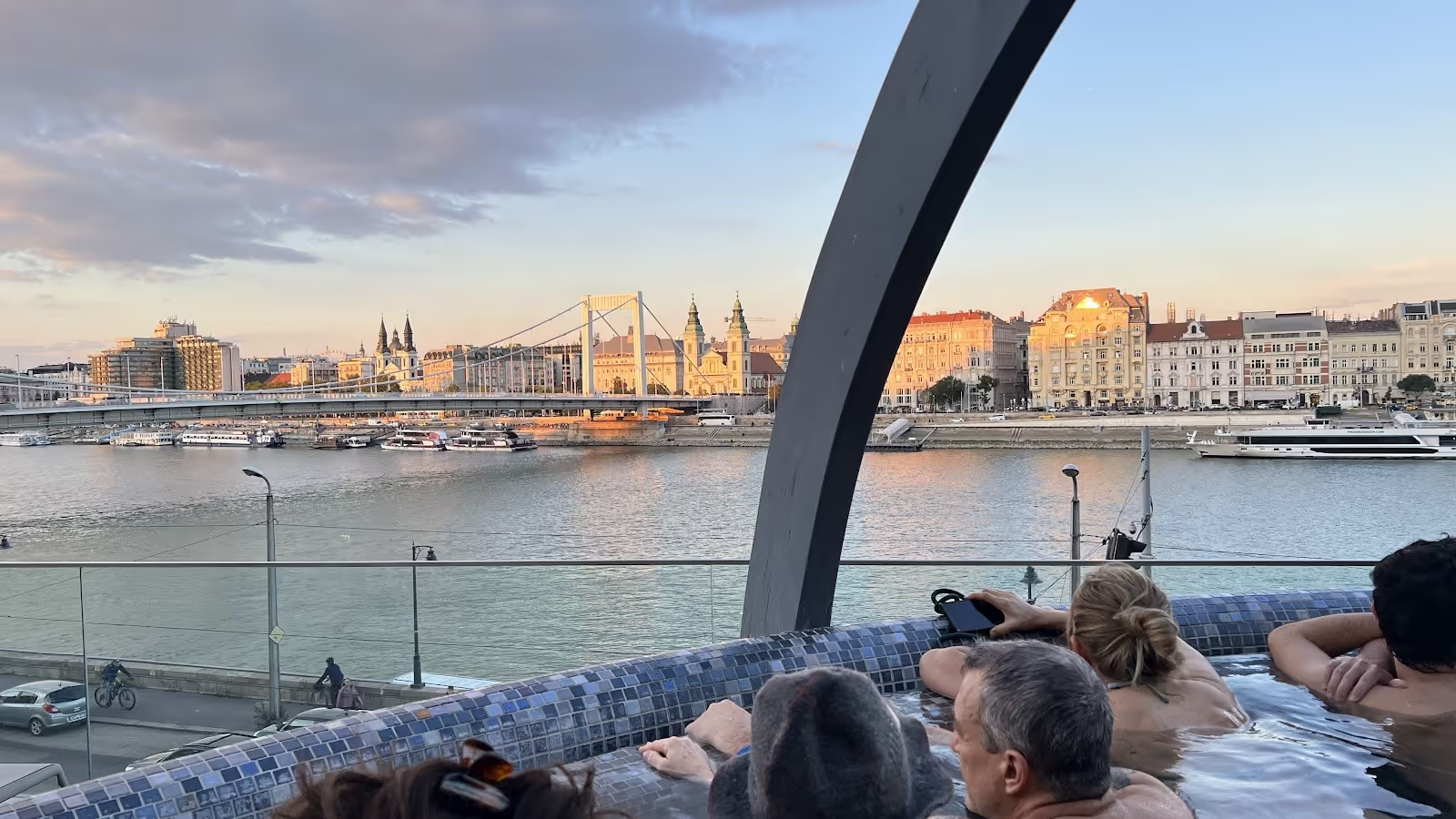
The complex spans three eras. The original Turkish bath forms the historic core with the octagonal pool and four smaller thermal pools at temperatures from around 28 to 42 degrees. A 19th-century addition provides an indoor swimming pool at 29 degrees, the warmest such pool in Hungary. A modern south wing completed its renovation in 2014 and includes a sauna zone, wellness facilities, and a glass-enclosed rooftop pool with views across the Danube toward the Parliament building and the Pest skyline.
The thermal water contains calcium, sulfate, and fluoride with documented use for joint conditions. Medical treatments are available under prescription. Rudas also runs overnight bathing sessions on Friday and Saturday evenings for adult visitors seeking hot springs near Budapest in a more atmospheric setting.
Location & Access
Getting to Rudas Thermal Bath
Rudas Thermal Bath is located at Dobrentei ter 9 on the Buda side of Budapest, at the base of Gellert Hill, just across the Elizabeth Bridge from central Pest. The walk from the Buda end of the bridge takes around five minutes, making it one of the most centrally positioned thermal baths in the city for visitors staying in either Buda or Pest.
By public transport, tram lines 19 and 41 stop near the baths on the Buda embankment, with easy connections to the city centre. Bus routes also serve the area. From Deak Ferenc ter in central Pest, the journey takes around 20 minutes by tram via the ring road and bridge. Metro access is less direct than for Szechenyi; the nearest metro station is Fovam ter on Line 4, from which the bath is a short walk or tram ride. The hot springs near Budapest that sit on the Buda riverbank are well connected by surface transport even without a nearby metro stop.
Walking from central Pest takes around 15 to 20 minutes via the Elizabeth Bridge, following the Buda riverside south to Dobrentei ter. The route is flat and straightforward to navigate on foot. Paid parking is available in the surrounding streets, though limited at peak times. There is also a small cafe at the bath entrance for a post-soak meal, accessible from inside the bath complex without needing to change.
Suitability & Accessibility
Who Should Visit Rudas Thermal Bath
Rudas Thermal Bath suits adults interested in the historical and architectural character of a working Ottoman gyogyfurdo, particularly those who want to experience a bath spanning several centuries of design within a single visit. The contrast between the dark, domed 16th-century Turkish pool and the bright modern glass wellness zone provides a genuinely varied experience beyond standard thermal soaking.
Children under 14 are not permitted in the thermal pools or saunas, and hammam spaces are strictly prohibited for this age group. The official website confirms the bath is not currently accessible to visitors with disabilities, with no pool lift equipment available. Visitors with mobility limitations should seek alternative Budapest baths. For those seeking accessible hot springs in Hungary in the capital, other facilities are better suited.
Weekday scheduling is a practical consideration. The historic Turkish bath section is gender-restricted on most weekdays: men only on Monday, Wednesday, and Thursday mornings; women only on Tuesday; mixed access from Thursday afternoon onward and all day Saturday and Sunday. The wellness zone and swimming pool are mixed seven days a week. The Friday and Saturday overnight sessions from 10pm are adult events that operate differently from daytime visits. Adults seeking a genuine local furdo experience rather than a tourist-oriented one tend to find Rudas the most historically authentic of the central Budapest baths.
Safety & Etiquette
Rudas Thermal Bath Safety Tips
Rudas Thermal Bath requires visitors to be mindful of several specific conditions: pool temperatures reach 42 degrees Celsius at the hottest pool, among the highest in Budapest; the bath is not accessible to visitors with disabilities; gender-restricted hours apply to the Turkish bath on most weekdays; and thermal pools and saunas are prohibited for anyone under 14.
The extreme heat in the highest-temperature pool is well above what most visitors encounter in standard spa settings. Begin with the cooler pools and increase temperature gradually, limiting time in the hottest areas to 15 to 20 minutes before cooling down. The plunge pool at around 11 degrees provides an important contrast and is part of standard thermal cycling practice. Dehydration is a real risk in the high-temperature zones; drink water regularly and exit if you feel dizzy or unwell.
Night bathing sessions on Friday and Saturday run from 10pm to 3am and require separate online-only booking. The atmosphere during these sessions differs considerably from daytime bathing and is not appropriate for those seeking a quiet therapeutic soak. Confirm the schedule on the official website before your visit.
The historic Turkish bath dome and original pool areas involve uneven stonework and steps between pool levels. Non-slip footwear between pools is advisable. The official site confirms the bath is not currently accessible to visitors with disabilities. Visitors with heart conditions, high blood pressure, pregnancy, or skin disorders should consult a physician before using the thermal water, particularly given the extreme pool temperatures in the Turkish bath section.