Quick FactsOverview
About Sheep Creek Bridge Hot Spring
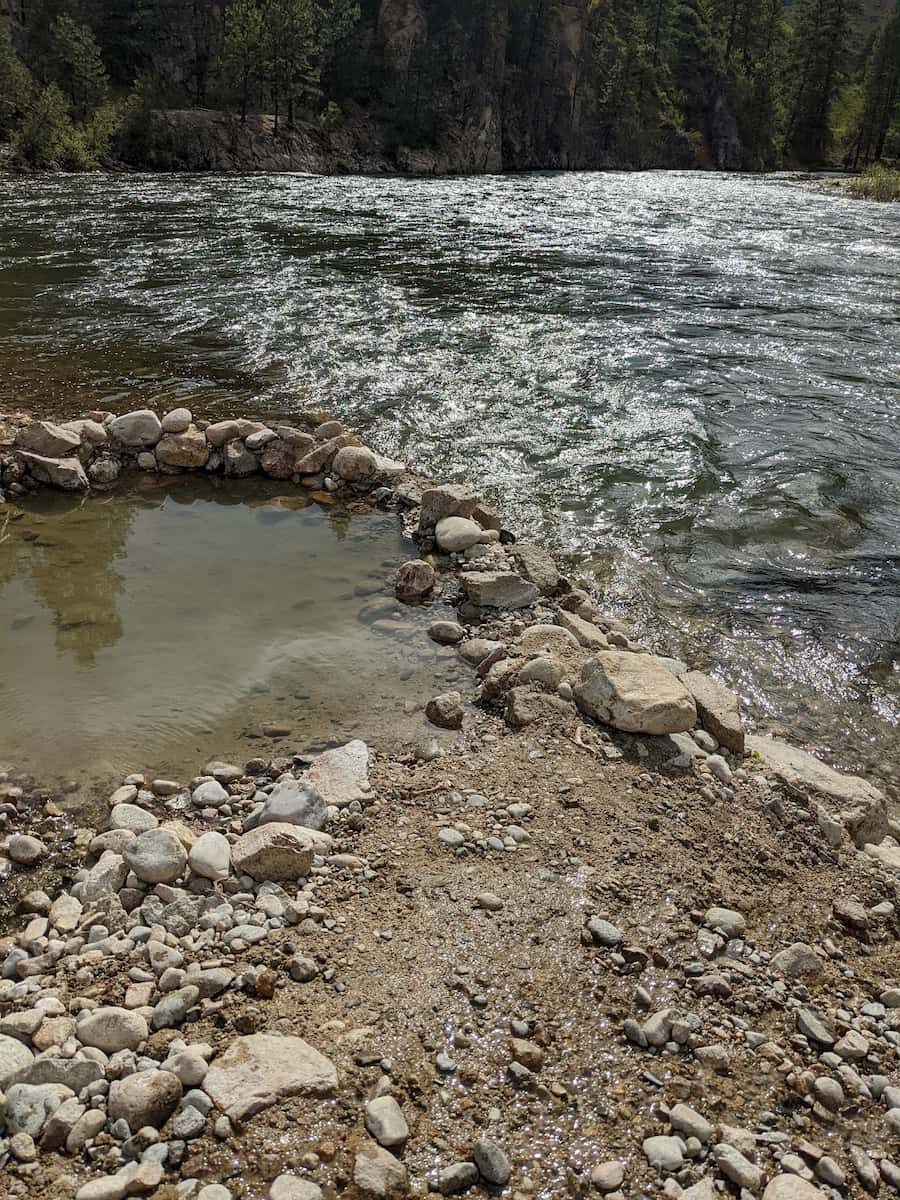
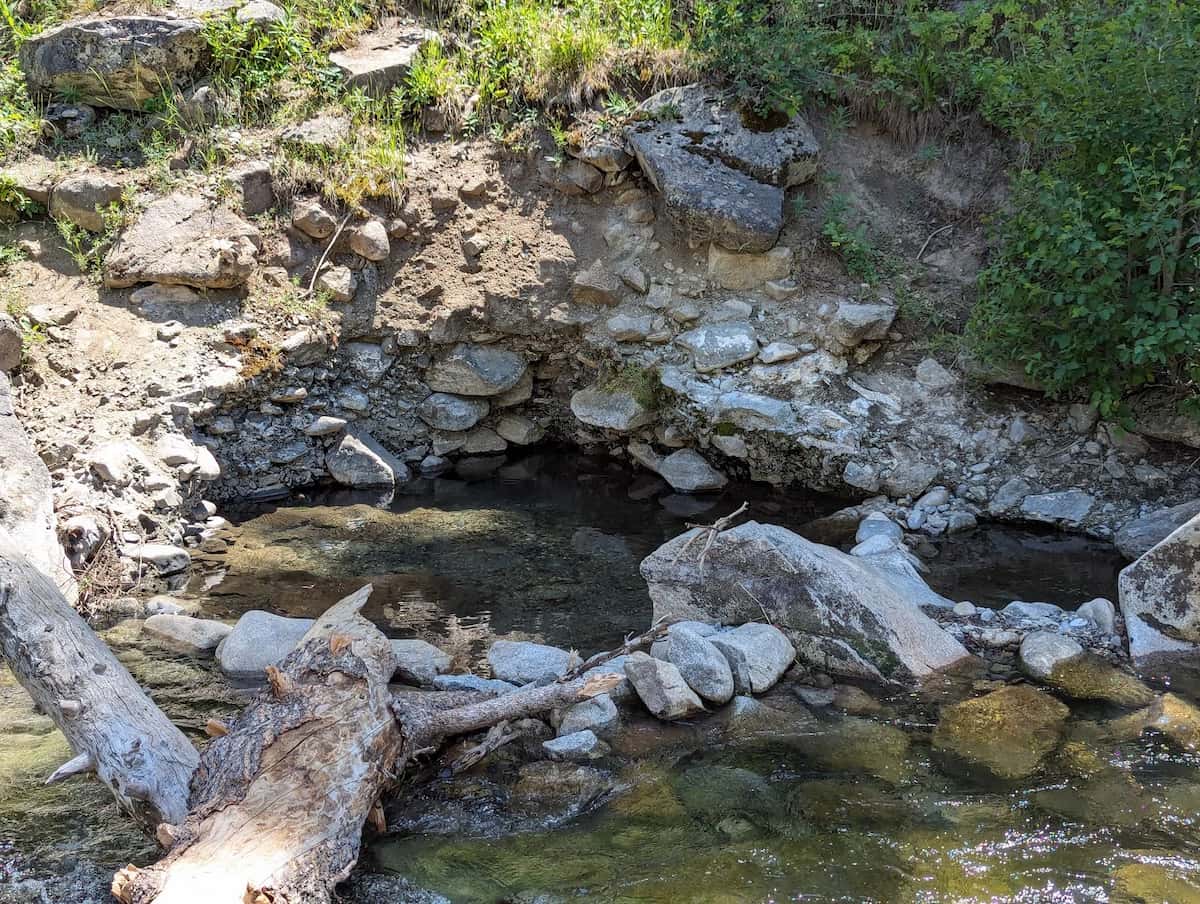
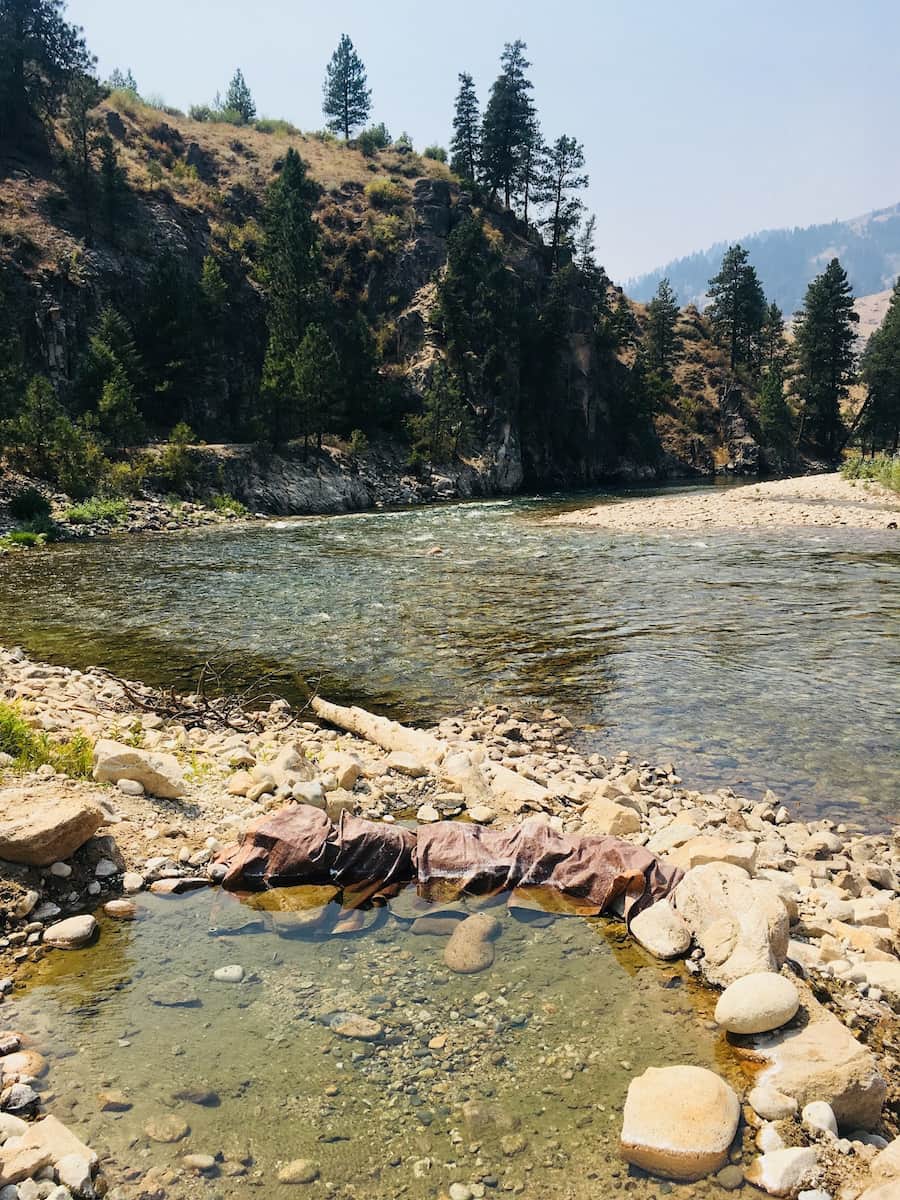
Sheep Creek Bridge Hot Spring, Idaho is a free roadside geothermal spring on the Middle Fork Boise River Road in the Boise National Forest in Boise County, approximately 49 miles east of Boise and 37 miles southeast of the community of Atlanta. Source water at 142 degrees Fahrenheit emerges from a hillside and flows into primitive, shallow pools on the slope leading down to the Middle Fork Boise River. The spring is located at the point where the road bridges the river at Sheep Creek. Idaho City, a historic gold rush town on Highway 21, is the nearest community with services.
The spring marks the western entrance to the Middle Fork Boise River hot springs corridor, which includes Smith Cabin, Loftus, Granite Creek, Browns Creek, Dutch Frank, and Neinmeyer Hot Springs further upstream toward Atlanta. Twin Springs Resort, a rustic hot springs resort with cabins and private soaking tubs, is approximately 4 miles to the west. Sheep Creek Bridge is among the more easily reached free hot springs Idaho offers in the Boise Mountains.
The source pool has orange thermophilic algae, which is common at higher-temperature geothermal features. Pool conditions vary significantly with visitor maintenance.
Location & Access
Getting to Sheep Creek Bridge Hot Spring
Sheep Creek Bridge Hot Spring is located at the Sheep Creek Bridge on the Middle Fork Boise River Road in the Boise National Forest, with roadside access. Park at the bridge and walk approximately 70 yards along a short trail to the source pool and then down to the river pools. No extended hiking is required.
From Boise, the drive takes approximately 2 hours via the Middle Fork Boise River Road, which passes Arrowrock Dam on winding dirt roads. The route is scenic but slow and rough. A high-clearance vehicle is recommended. An alternative seasonal route approaches from the east via Atlanta. The main access road has a seasonal Forest Service closure; year-round access is possible via the Middle Fork Boise River Road off Highway 21.
Regional Context
The Middle Fork Boise River corridor has one of the highest concentrations of hot springs in Idaho. For visitors seeking hot springs near Idaho City, Sheep Creek Bridge is the first spring encountered when entering the corridor from the west. Continuing upstream, Smith Cabin (138 degrees, 0.5 miles from Loftus), Loftus (roadside), Granite Creek (131 degrees), and several others are all accessible along the same forest road. Troutdale Campground is 2.5 miles from the spring.
Suitability & Accessibility
Who Should Visit Sheep Creek Bridge Hot Spring
Sheep Creek Bridge Hot Spring suits visitors exploring the Middle Fork Boise River corridor who want a convenient first stop when entering from the west. The 70-yard walk from the road makes this one of the easiest springs to reach on the corridor. Pool conditions vary significantly, however, and the spring has received mixed reviews from visitors. Well-maintained soaking pools have been present at times, but pools have also been found silted, dismantled, or in poor condition.
The spring is best visited as part of a multi-spring trip along the corridor rather than as a stand-alone destination. The drive from Boise is long and slow on rough roads, so plan to visit several springs to make the trip worthwhile. The roadside location means swimsuits are recommended.
Accessibility at Sheep Creek Bridge Hot Spring
The spring has roadside access but the pools are on a hillside slope between the road and the river. The ground is unimproved and may be slippery. Those seeking free hot springs Idaho offers along the corridor with more reliable pools should continue upstream to Loftus or Granite Creek Hot Springs, which typically have better-maintained soaking areas and more consistently comfortable pool conditions throughout the visiting season from late summer through fall.
Safety & Etiquette
Sheep Creek Bridge Hot Spring Safety Tips
Sheep Creek Bridge Hot Spring has source water at 142 degrees Fahrenheit, which is dangerously hot and will cause burns on contact. The source pool has orange thermophilic algae and should not be entered. The lower pools on the hillside are cooler but should be tested carefully before any contact.
The hillside between the road and the river can be steep and slippery. Use caution when descending to the lower pools. The Middle Fork Boise River below the spring is swift and cold. The road carries vehicle traffic near the bridge, so be aware when parking and crossing.
Road and Environmental Awareness
The Middle Fork Boise River Road is long, rough, and remote. A high-clearance vehicle is required. The drive from Boise takes approximately 2 hours on winding dirt roads past Arrowrock Dam. Carry extra fuel, water, and emergency supplies. Cell service is not available along the corridor. The seasonal road closure from the west means checking conditions before departing.
Leave No Trace
Pack out all trash. The spring has suffered from poor visitor behavior in the past. Help preserve access by treating the site responsibly. Follow all Boise National Forest regulations. The nearest medical facilities are in Boise, approximately 2 hours west. Carry a first aid kit and a satellite communication device for emergencies. Inform someone of your travel plans before driving into this remote corridor of the Boise Mountains. Winter and spring conditions can make the road impassable.