
Quick FactsOverview
About Sidirokastro Baths
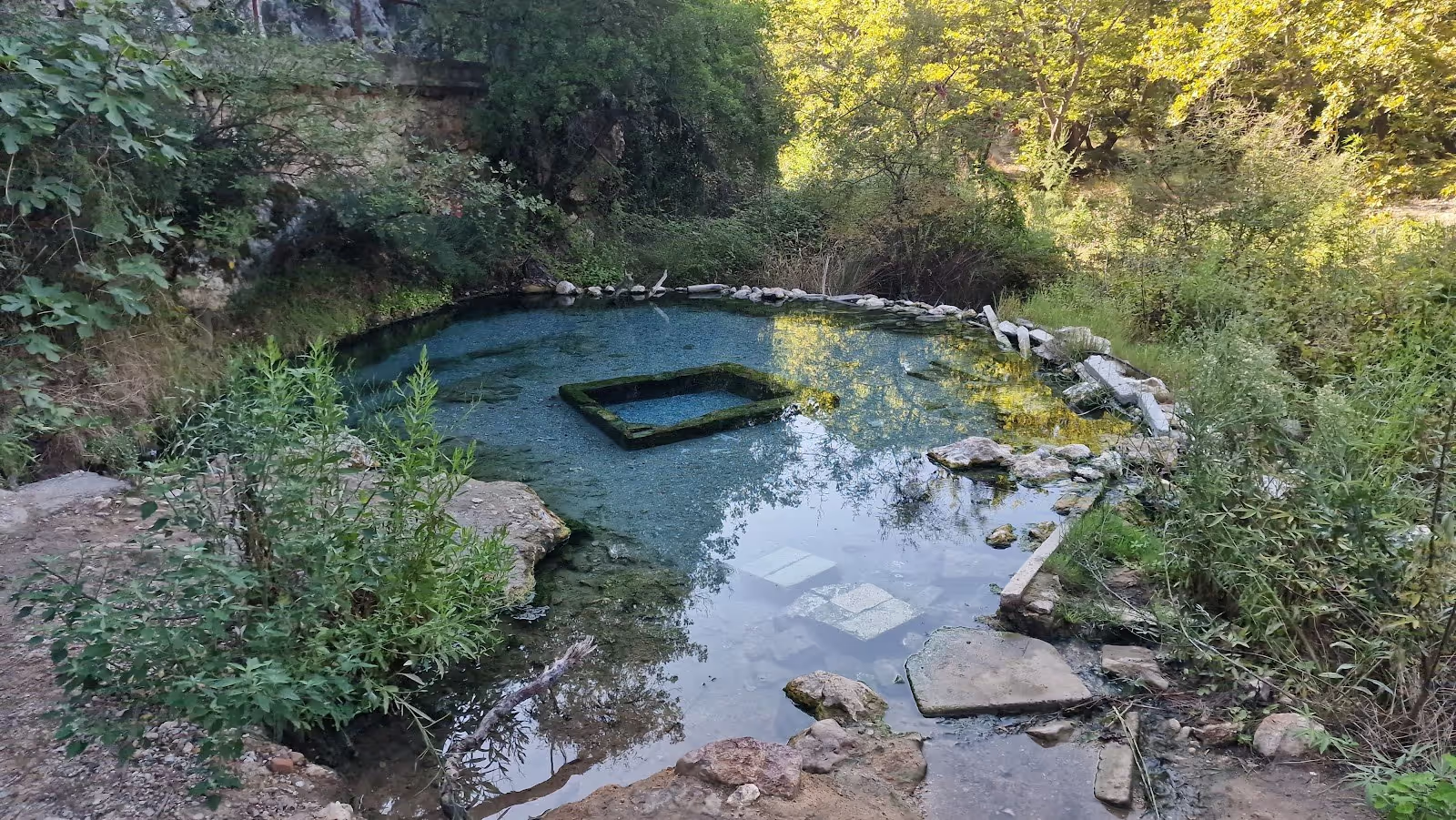
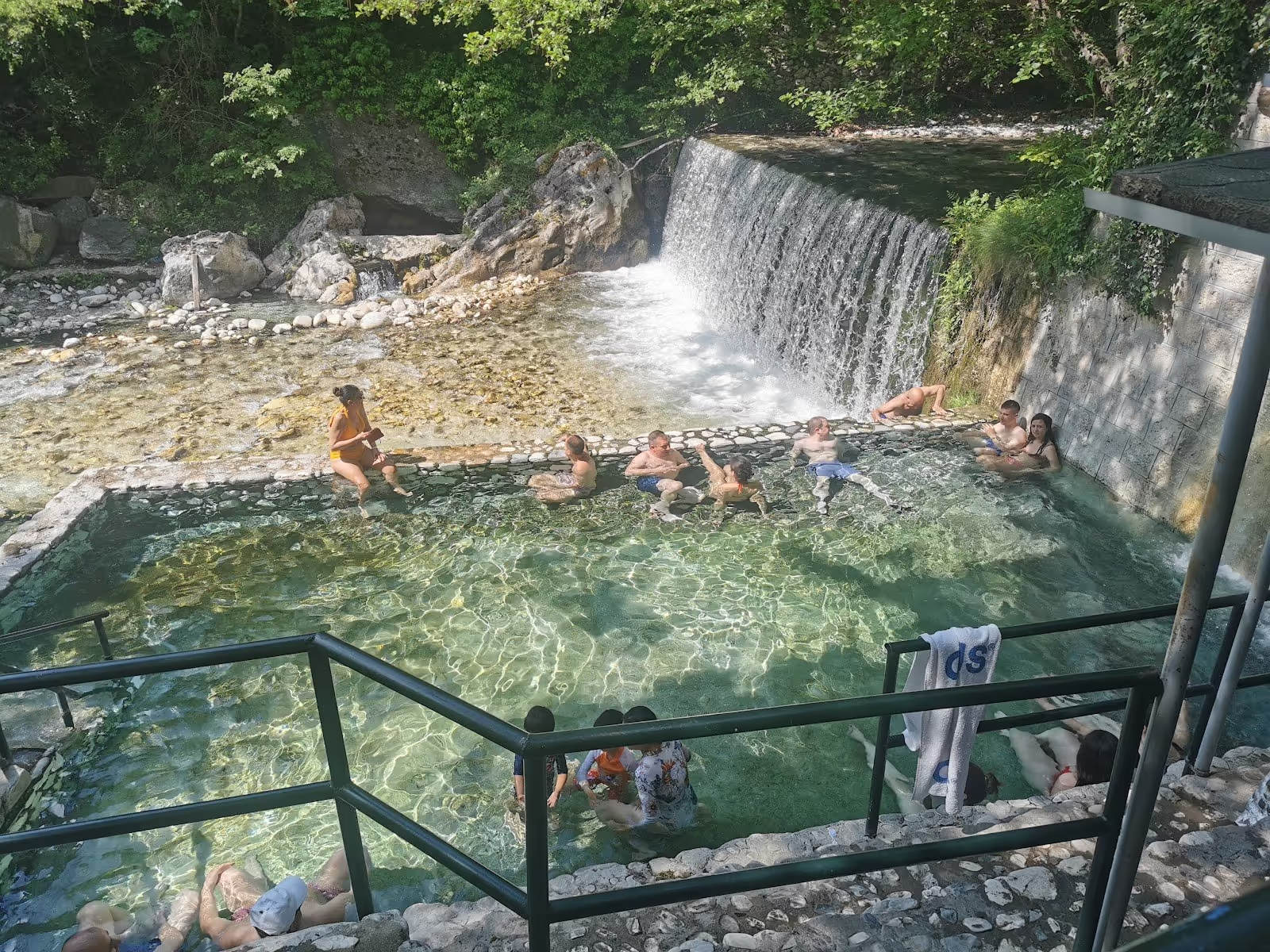
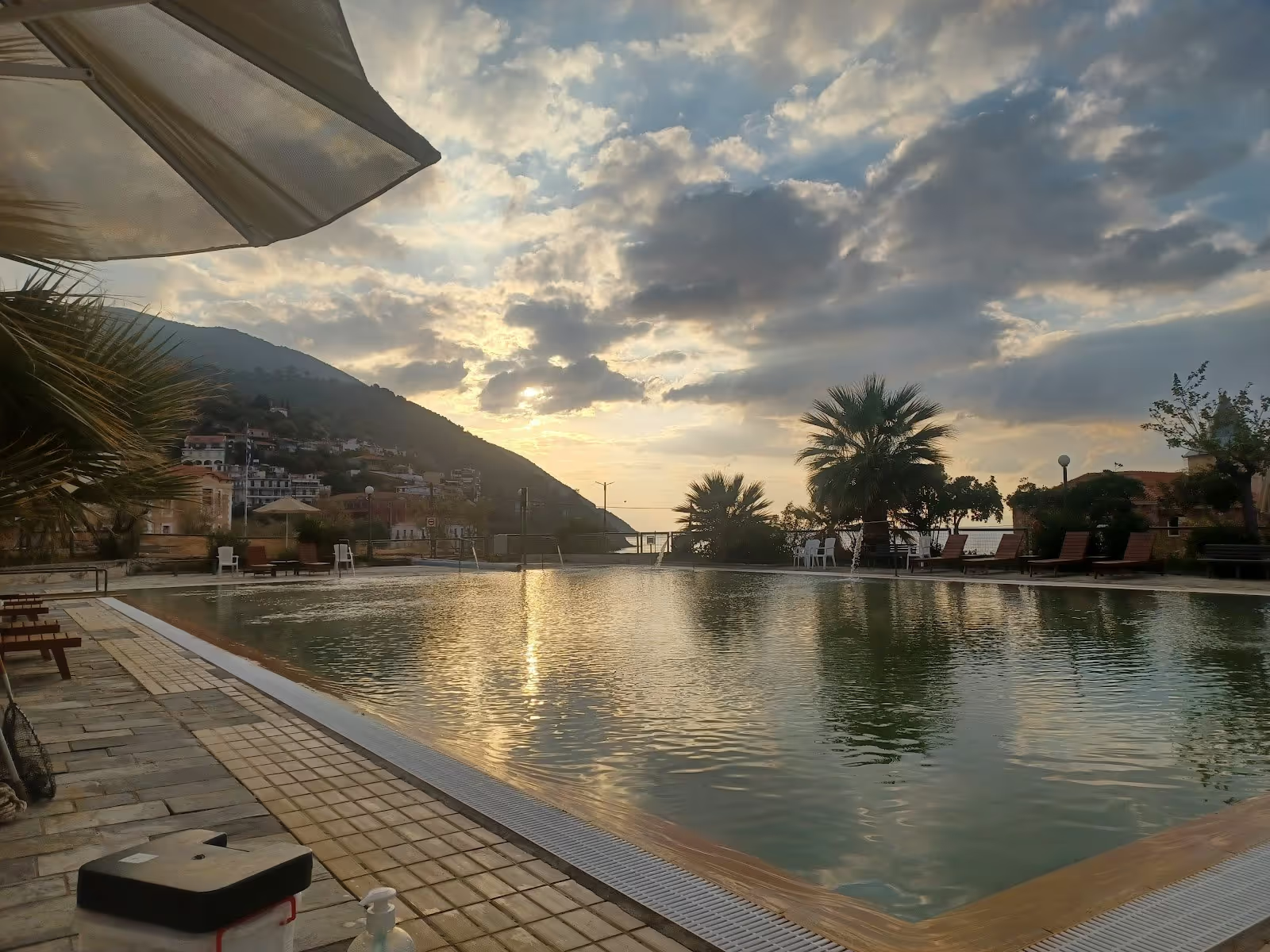
Sidirokastro Baths, Greece are the Loutra Sidirokastrou thermal spa complex in the Krousia foothills just north of the small town of Sidirokastro in the Serres regional unit of Central Macedonia, in northern Greece. The thermal water is sulphate and bicarbonate rich with trace iron and carbon dioxide content, surfacing from the surrounding limestone at approximately 36 to 39 degrees Celsius, and is distributed through a modern bathhouse that offers two large soaking pools, individual tubs, inhalation rooms for respiratory therapy, and a programme of medically supervised thermal treatments. The town of Serres, the regional capital, sits approximately 30 kilometres south as the main service centre.
The thermal source at Sidirokastro has been used therapeutically since Roman and Byzantine times, with the modern bathhouse built in the second half of the 20th century on the site of earlier historic baths. The water is classified by the Greek state as medicinal mineral water indicated for musculoskeletal, respiratory, and dermatological conditions, and the complex holds Greek national health service accreditation for thermal medicine. The surrounding wooded foothills of the Krousia range offer walks and the nearby Vyroneia valley.
Sidirokastro Baths are among the most comprehensive developed loutra in Macedonia.
Location & Access
Getting to Sidirokastro Baths
Sidirokastro Baths sit in the Loutra Sidirokastrou thermal village just north of the small town of Sidirokastro in the Serres regional unit of Central Macedonia, approximately 30 kilometres north of the regional capital Serres and 25 kilometres south of the Promachonas border crossing with Bulgaria. The bathhouse complex is drive-up accessible from the main road through Sidirokastro, with on-site parking at the complex entrance. Local buses connect Serres and Sidirokastro several times daily. The nearest train station is Sidirokastro on the Thessaloniki to Alexandroupoli line, approximately 2 kilometres from the complex.
From Serres, the drive takes approximately 30 minutes north on local roads. From Thessaloniki, the drive is approximately 1 hour 45 minutes northeast via the EO2 and local roads. From Sofia in Bulgaria, the drive is approximately 2 hours 30 minutes south via the Promachonas crossing. For visitors seeking hot springs near serres and the Krousia foothills, these are the most developed classical thermal baths in the region.
Serres and Central Macedonia Region
Sidirokastro sits in the Krousia foothills on the Strymon river plain in Central Macedonia, between the town of Serres to the south and the Bulgarian border to the north. The Rupel fortress on the Strymon river, Lake Kerkini wetlands sanctuary famous for pelicans, and the Byzantine hammam at Agkistro are within easy exploration range for a thermal-themed road trip in northeastern Greece.
Suitability & Accessibility
Who Should Visit Sidirokastro Baths
Sidirokastro Baths suit wellness travellers, medical thermal visitors, and Macedonian border tourism explorers seeking a developed classical Greek thermal spa with modern facilities, medically supervised treatment programmes, and a comprehensive bathhouse offering. The 36 to 39 degrees Celsius water temperature in the main soaking pools is comfortable for extended therapeutic sessions, with staff supervising timings. The complex includes two large shared soaking pools, individual private tubs, and dedicated inhalation rooms where the thermal vapour is used for respiratory therapy. These macedonia thermal springs are among the most medically oriented in northern Greece.
These iamatika loutra are sulphate and bicarbonate rich with trace iron and carbon dioxide content, classified by the Greek state as medicinal mineral water indicated for musculoskeletal, respiratory, and dermatological conditions. The bathhouse offers multi-day treatment programmes with onsite physicians for guests seeking structured thermal medicine stays, and simpler single-session access for day visitors. Accommodation and board are available in the adjacent Loutra Sidirokastrou thermal village.
Accessibility at Sidirokastro Baths
The bathhouse complex is wheelchair accessible with ramps, accessible changing rooms, and adapted pool access points for guests with reduced mobility. The complex is well suited to older visitors and guests on multi-day medical thermal programmes.
Safety & Etiquette
Sidirokastro Baths Safety Tips
Sidirokastro Baths is a managed thermal spa with lifeguards or supervising staff at the main pools, medically trained personnel for the treatment programmes, and modern infrastructure throughout. Follow all posted session time guidance from the staff. The 36 to 39 degrees Celsius water is comfortable, but extended sessions beyond 25 to 30 minutes can cause dizziness or dehydration. Shower before entering the main pools and move between the soaking pools, individual tubs, and cooling rest areas rather than remain continuously in the warm water.
The water contains carbon dioxide and trace iron and has a distinctive mineral character. Guests with cardiovascular or respiratory conditions should consult the on-site physicians before entering the main pools or participating in the inhalation therapy sessions. Hydrate before and after soaking and avoid alcohol consumption on the day of thermal sessions.
Rules and Etiquette
Swimsuits are required in all pool areas and swim caps may be required in the indoor pools; caps are available at reception. Shower before entering the pools. Do not use soap, shampoo, or cosmetics in the thermal water. The iron and sulphate content can stain light swimwear and silver jewellery, so dark swimwear and removing valuables before soaking are recommended. Children must be supervised at all times.
Climate and Travel Notes
Central Macedonia has a cool continental climate. Summer daytime highs reach approximately 32 degrees Celsius in July and August, autumn and spring are the most comfortable thermal seasons, and winters bring occasional snow. The bathhouse operates year round, and multi-day treatment programmes run from spring through autumn. Confirm current opening times and treatment schedules before travelling.
%252C%2520Greece%25205.avif)
%2C%20Greece.avif)