
Quick FactsOverview
About Spilaio Cave Spring
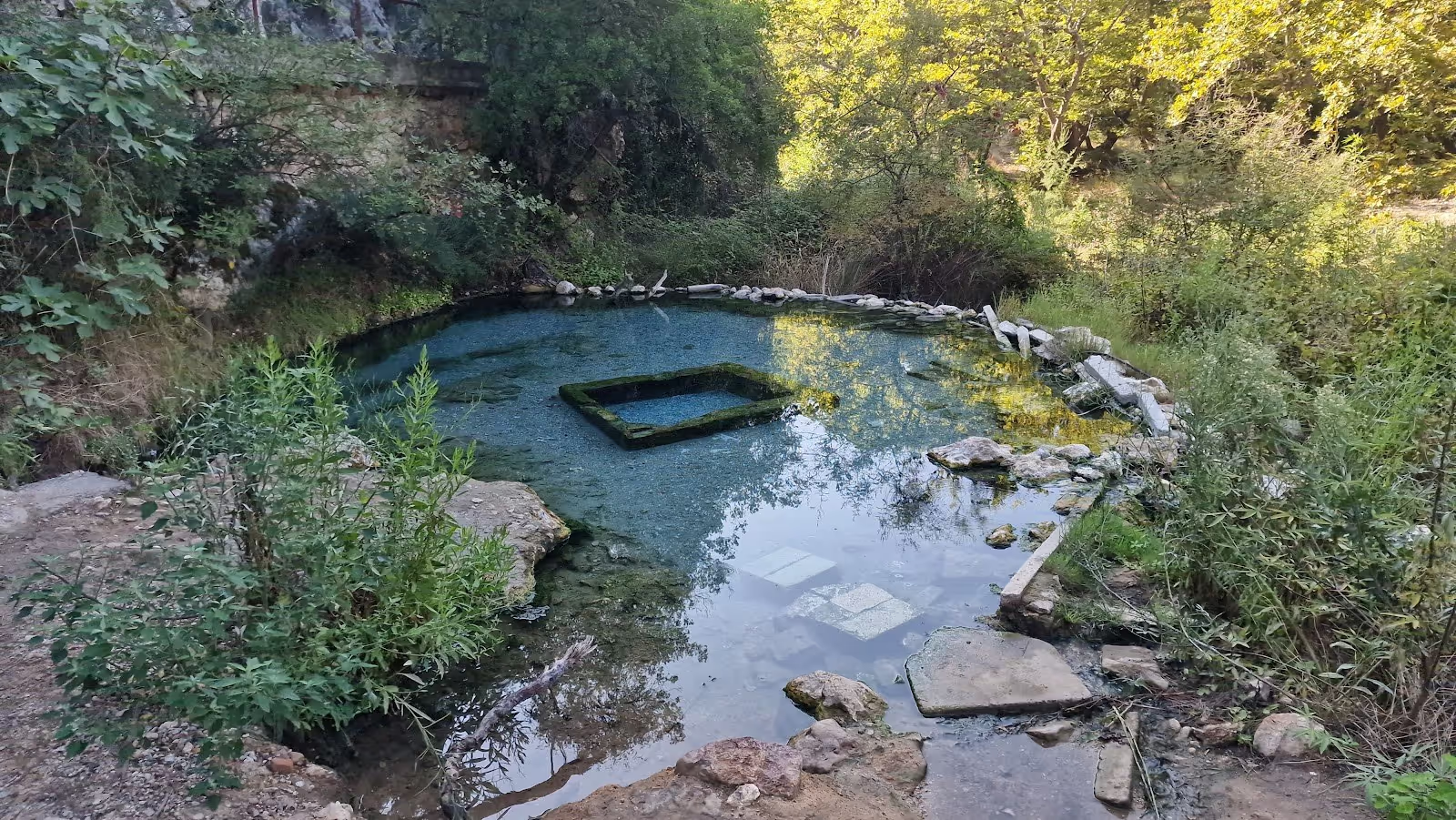
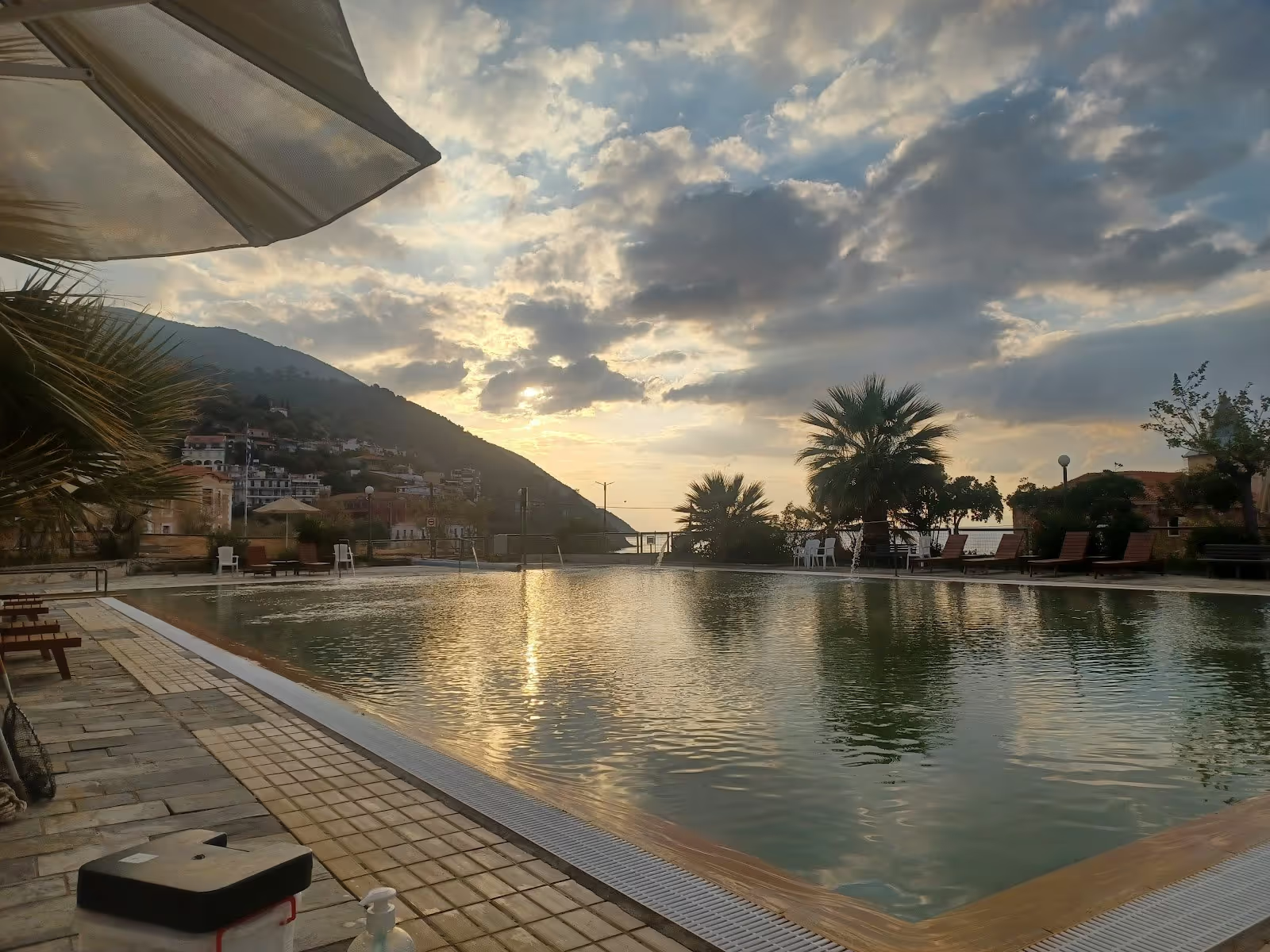
Spilaio Cave Spring, Greece is a classical radioactive thermal bath set inside a natural rock cave on the seafront of the small village of Therma on the eastern coast of the Aegean island of Ikaria, in the North Aegean region. Spilaio means cave in Greek, and the spring takes its name from the limestone cavity in which the hot mineral water emerges directly above the Aegean Sea. The water is sodium chloride and radium rich, surfacing at approximately 32 to 35 degrees Celsius, and is distributed through a small bathhouse operated by the local community that channels the water into a stone soaking basin inside the cave itself. The port of Agios Kirykos, the capital and ferry port of Ikaria, sits approximately 3 kilometres west of Therma and serves as the main service centre.
These are among the most radioactive mineral waters in Europe and have been used continuously since classical antiquity for the treatment of rheumatic, arthritic, gynaecological, and dermatological conditions. The village of Therma takes its name directly from the Greek word for hot springs and remains a working thermal village with several bathhouses drawing on the same geothermal field. Spilaio operates on a seasonal basis with a modest fee.
Spilaio Cave Spring is one of the most atmospheric classical loutra on Ikaria.
Location & Access
Getting to Spilaio Cave Spring
Spilaio Cave Spring sits on the seafront in the small thermal village of Therma on the southeastern coast of the Aegean island of Ikaria, approximately 3 kilometres east of the island capital and ferry port of Agios Kirykos. The bathhouse is drive-up accessible from the coastal road through Therma with limited on-street parking, and a short walk from the parking area leads to the entrance of the cave bath on the shoreline. Local buses run between Agios Kirykos and Therma in season.
From the ferry port of Agios Kirykos, the drive takes approximately 10 minutes east on the coastal road. From Athens, visitors reach Ikaria by overnight ferry from Piraeus to Agios Kirykos (approximately 7 to 10 hours) or by domestic flight to Ikaria National Airport (approximately 1 hour), with a 15 minute drive onward. From Samos, a daily ferry connects Pythagorio to Agios Kirykos in approximately 2 hours. For visitors seeking hot springs near agios kirykos and the Therma geothermal village, this is one of the most distinctive classical loutra on Ikaria.
Ikaria and North Aegean Region
Ikaria sits in the eastern Aegean, halfway between the Greek mainland and the Turkish coast, and is known as one of the five Blue Zones where residents live notably long and healthy lives. The island is mountainous, green, and relaxed in character. The classical Temple of Artemis Tauropolos at Nas is within easy range.
Suitability & Accessibility
Who Should Visit Spilaio Cave Spring
Spilaio Cave Spring suits classical thermal travellers, Aegean island visitors, wellness pilgrims, and travellers seeking an authentic Greek radioactive cave bathing experience with strong historical character and no commercial resort veneer. The 32 to 35 degrees Celsius water temperature is comfortable rather than hot, suited to extended therapeutic soaking in the limestone cave interior. These ikaria thermal springs preserve their classical character thanks to the small community-operated bathhouse format, which has changed little over generations.
These iamatika loutra are classified by the Greek state as among the most radioactive mineral waters in Europe, with the Spilaio source producing water of exceptional radium content. The waters have been medically indicated since classical antiquity for rheumatic, arthritic, gynaecological, and dermatological conditions, and the bathhouse typically limits individual soaking sessions to 15 to 20 minutes to manage total exposure. Pregnant visitors and children under 12 should consult the bathhouse staff before using the bath because of the radioactive mineral content.
Accessibility at Spilaio Cave Spring
The cave bath entrance involves stepped stone access and uneven rock surfaces inside the cave, so the site is not formally wheelchair accessible. Travellers seeking a more developed Ikarian thermal spa with modern accessibility should consider the Thermae Ikaria complex nearby in Therma, which draws on the same geothermal field in a modern bathhouse setting.
Safety & Etiquette
Spilaio Cave Spring Safety Tips
Spilaio Cave Spring is a small managed bathhouse with staff present during opening hours, but the cave setting and the radioactive character of the water require specific awareness. The water contains radium and radon isotopes at concentrations among the highest in Europe, and the bathhouse typically limits sessions to 15 to 20 minutes per visitor to manage total radiation exposure. Follow all time guidance from the on-site staff. Pregnant visitors and children under 12 should consult the staff before entering and may be advised not to use the bath.
The cave interior has uneven rock surfaces and limited lighting, so water shoes and careful footing are recommended. The water is comfortable rather than hot at 32 to 35 degrees Celsius, but guests with cardiovascular or respiratory conditions should consult the staff before entering, as the enclosed radon atmosphere can be challenging.
Rules and Etiquette
Shower before entering the bath. Do not use soap, shampoo, or cosmetics in the thermal water. Observe the posted maximum session time. The sodium chloride and radium content can stain light swimwear and silver jewellery, so dark swimwear and removing valuables before soaking are recommended. Respect the quiet of the cave and keep conversation low.
Climate and Travel Notes
Ikaria has a mild Aegean island climate. Summer daytime highs reach approximately 30 degrees Celsius in July and August, and winters are mild with occasional storms. The bathhouse operates seasonally, typically from spring through autumn with reduced winter hours. Confirm current opening days and times with the Therma community before visiting, especially outside peak summer season.
%252C%2520Greece%25205.avif)
%2C%20Greece.avif)