
Quick FactsOverview
About Therma Samothraki
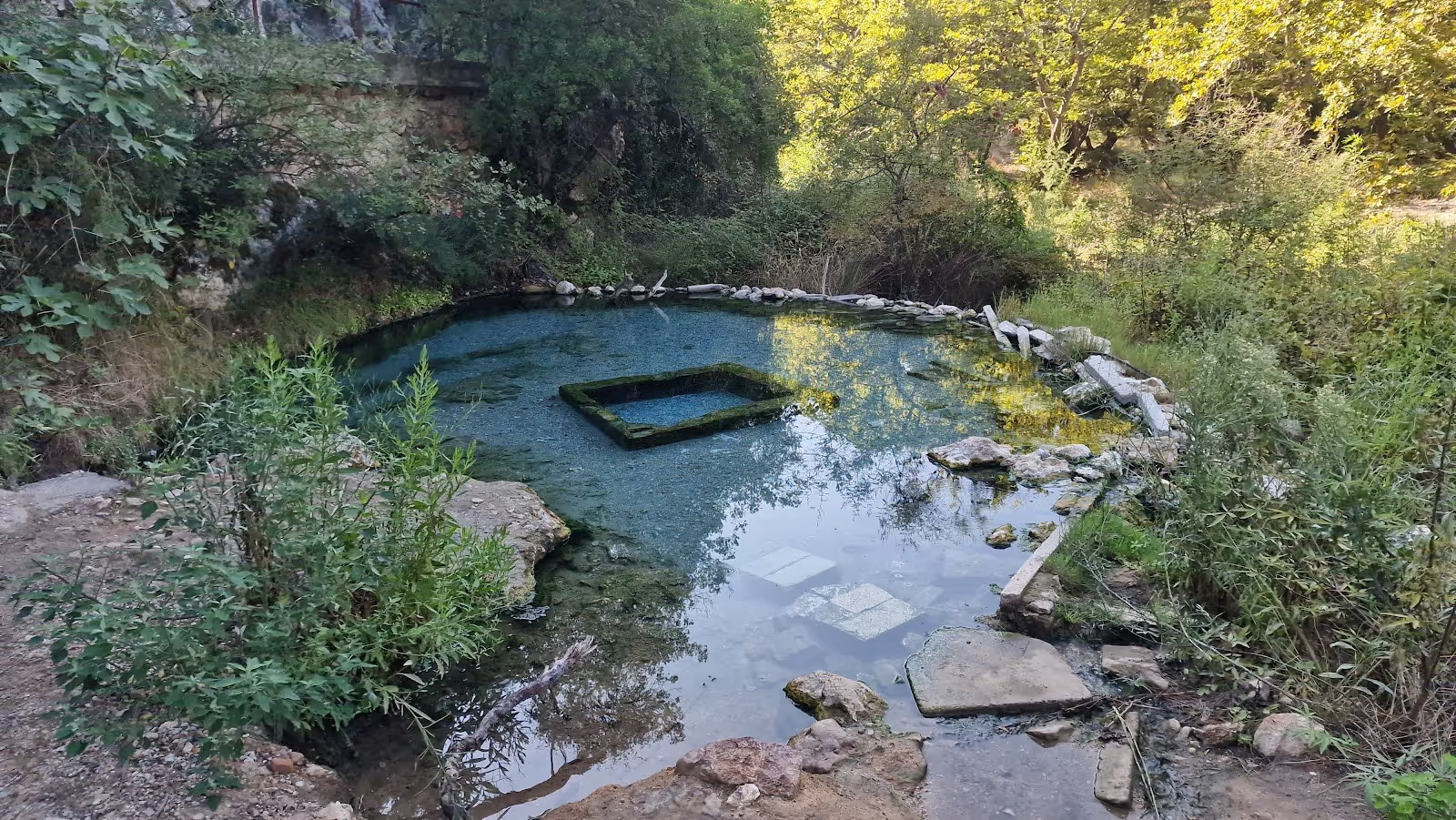
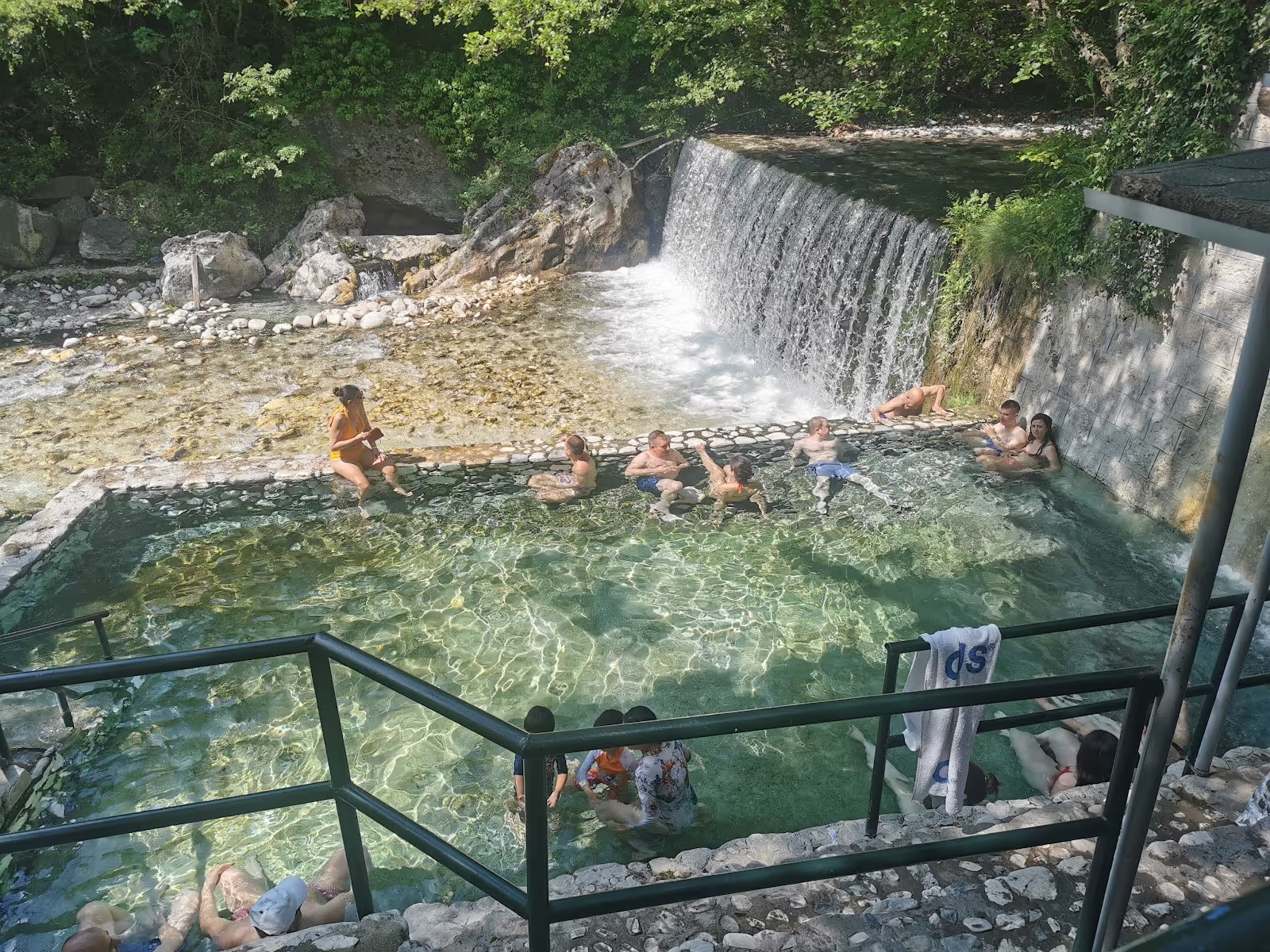
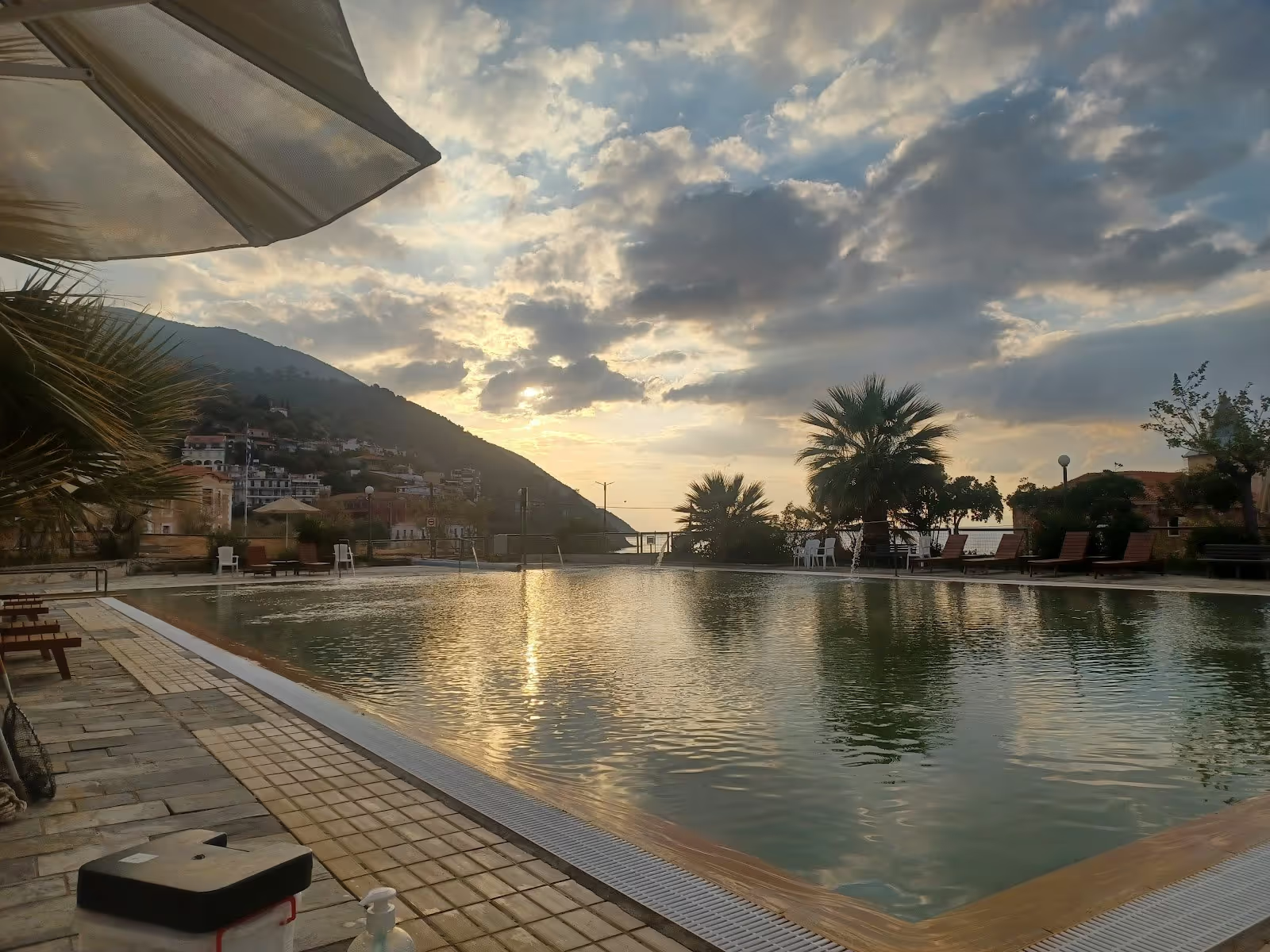
Therma Samothraki, Greece is a classical sulphurous thermal site in the forested mountain village of Loutra, which is also called Therma locally, on the north coast of the Aegean island of Samothraki in the East Macedonia and Thrace region of northeastern Greece. The thermal source emerges sulphurous and sodium chloride rich from the volcanic flanks of Mount Saos and feeds two distinct bathing experiences in the village: a small paid community bathhouse operating three indoor plunge pools graduated from cold through cool to warm (approximately 19, 32, and 42 degrees Celsius), and a cluster of free wild stone pools in the village and along the riverbed where the same thermal water collects naturally under old plane and chestnut trees at approximately 35 to 42 degrees Celsius.
The ferry port and main village of Kamariotissa sits approximately 15 kilometres west on the south coast. Samothraki is a small, mountainous, forested island famous in classical antiquity for the Sanctuary of the Great Gods and today for the Fonias river gorge, the Mount Saos summit, and a lingering alternative travel culture.
Therma Samothraki is one of the most atmospheric classical Greek loutra in the northern Aegean.
Location & Access
Getting to Therma Samothraki
Therma Samothraki sits in the small forested mountain village of Loutra, also known as Therma, on the north coast of Samothraki island, approximately 15 kilometres east of the ferry port and main village of Kamariotissa on the south coast. The village is drive-up accessible with on-street parking in the lower part of the village, and short walks of under 20 minutes lead from the parking area to the community bathhouse and to the various free wild stone pools along the river above the village.
From the ferry port of Kamariotissa, the drive takes approximately 20 minutes east along the coastal road and through the island capital of Chora. Samothraki is reached only by ferry from the mainland port of Alexandroupoli (approximately 2 hours), running twice daily year round and more frequently in summer. From Athens, fly to Alexandroupoli in approximately 1 hour and continue by ferry. For visitors seeking hot springs near kamariotissa and the Fonias gorge, these are the main classical loutra on the island.
Samothraki and North Aegean Region
Samothraki rises steeply from the northern Aegean, dominated by Mount Saos at 1,611 metres, the highest peak in the Aegean. The island holds the ancient Sanctuary of the Great Gods at Palaiopolis, where the Winged Victory of Samothrace sculpture now in the Louvre was uncovered, and the Fonias river gorge with a sequence of swimming pools and waterfalls above Loutra village.
Suitability & Accessibility
Who Should Visit Therma Samothraki
Therma Samothraki suits forest bathers, Aegean island travellers, classical thermal pilgrims, and visitors to the Fonias gorge and Mount Saos seeking a mixed developed and wild thermal experience in a dramatic chestnut forest village setting. The 35 to 42 degree Celsius natural pool water temperature is well suited to extended soaking, with the paid community bathhouse providing a graduated cold-cool-warm sequence of three plunge pools and the free wild stone pools offering open-air soaking under old plane trees. These samothrace thermal springs feel especially memorable in the cool autumn forest when the chestnut leaves turn and fall.
These iamatika loutra are sulphurous and sodium chloride rich, with the sulphur content producing a characteristic strong smell. The paid community bathhouse operates on a session basis with staff supervising timings and offers simple changing rooms alongside the three indoor plunge pools. The free wild stone pools require sturdy footwear for the uneven riverbed and plane root access and are enjoyed year round by island residents and alternative travellers. Both facilities carry no formal medical treatment programmes.
Accessibility at Therma Samothraki
The community bathhouse has stepped stone access and uneven floor surfaces, and the free wild stone pools require walking across loose rock and tree roots, so neither facility is formally wheelchair accessible. Guests with reduced mobility should enquire about ground-level entry at the community bathhouse before travelling.
Safety & Etiquette
Therma Samothraki Safety Tips
Therma Samothraki combines a small staffed community bathhouse with free unmanaged wild stone pools, so safety responsibility differs between the two. The paid bathhouse has staff supervising sessions and should be approached by following all posted time guidance; sessions in the 42 degree Celsius warm pool above 15 to 20 minutes can cause dizziness or dehydration, and bathers typically move between the three plunge pools rather than stay in the warm one. The free wild pools have no lifeguards, no staff, and no emergency services on site, and bathers assume full responsibility for their safety.
The wild pool bottoms are rocky and uneven, and the plane and chestnut roots around the pools make the terrain slippery when wet, so water shoes are recommended. Water temperature can vary between the wild pools; test with a hand before entering. The Fonias river above the village can rise rapidly after rain, so avoid the pools during or after storms. Guests with cardiovascular conditions should limit time in the hotter pools.
Rules and Etiquette
Pack out all trash from the wild pools. Do not use soap or cosmetics in the thermal water. Swimsuits are required at the paid bathhouse; local practice at the free wild pools varies with time of day and who is present. Keep conversation low to respect the quiet of the forest. The sulphurous water can stain light swimwear and silver jewellery, so dark swimwear and removing valuables are recommended.
Climate and Travel Notes
Samothraki has a mild northern Aegean climate with Mount Saos influence. Summer daytime highs reach approximately 30 degrees Celsius; winters are cool with occasional snow on the peaks. The community bathhouse operates seasonally; the free wild pools are accessible year round.
%252C%2520Greece%25205.avif)
%2C%20Greece.avif)