
Quick FactsOverview
About Vulcan Hot Springs
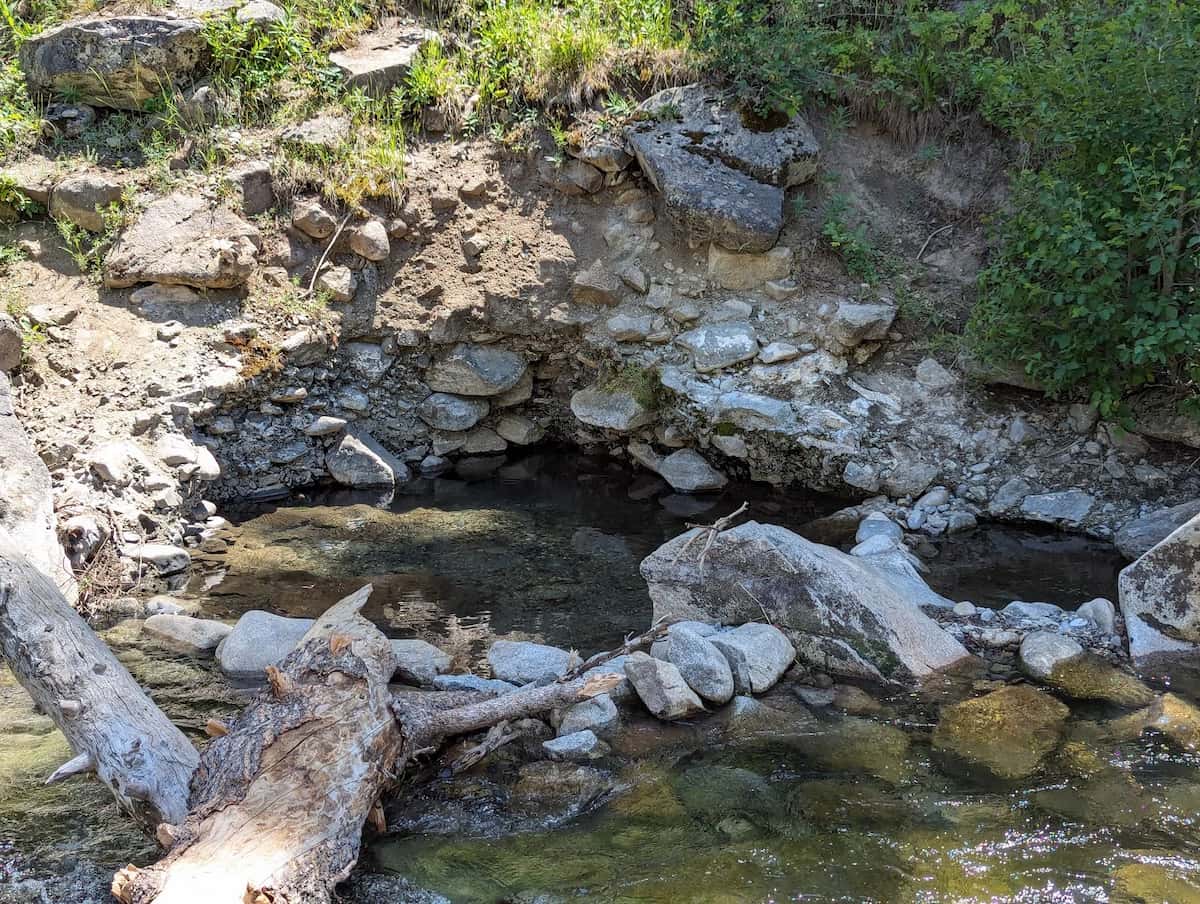
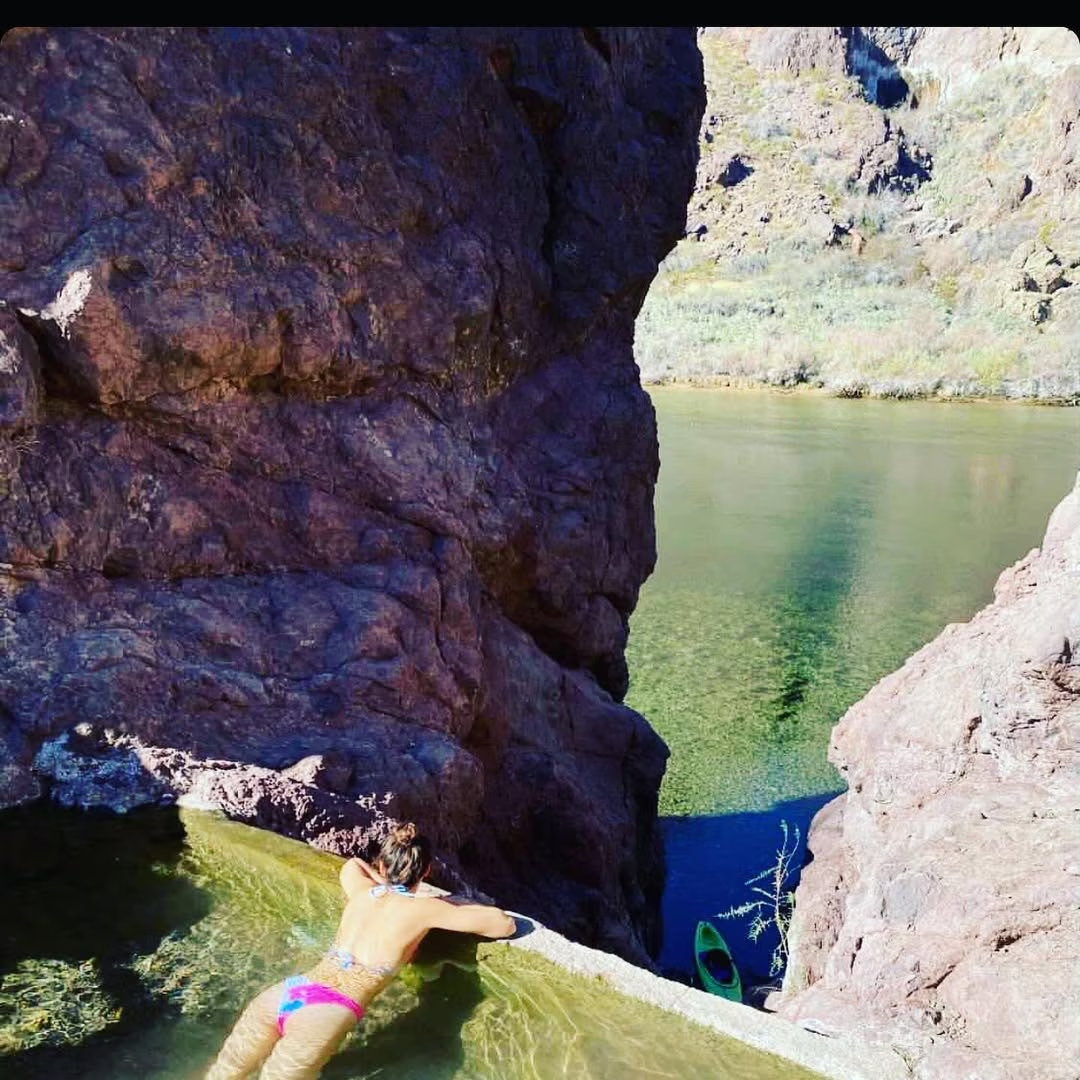
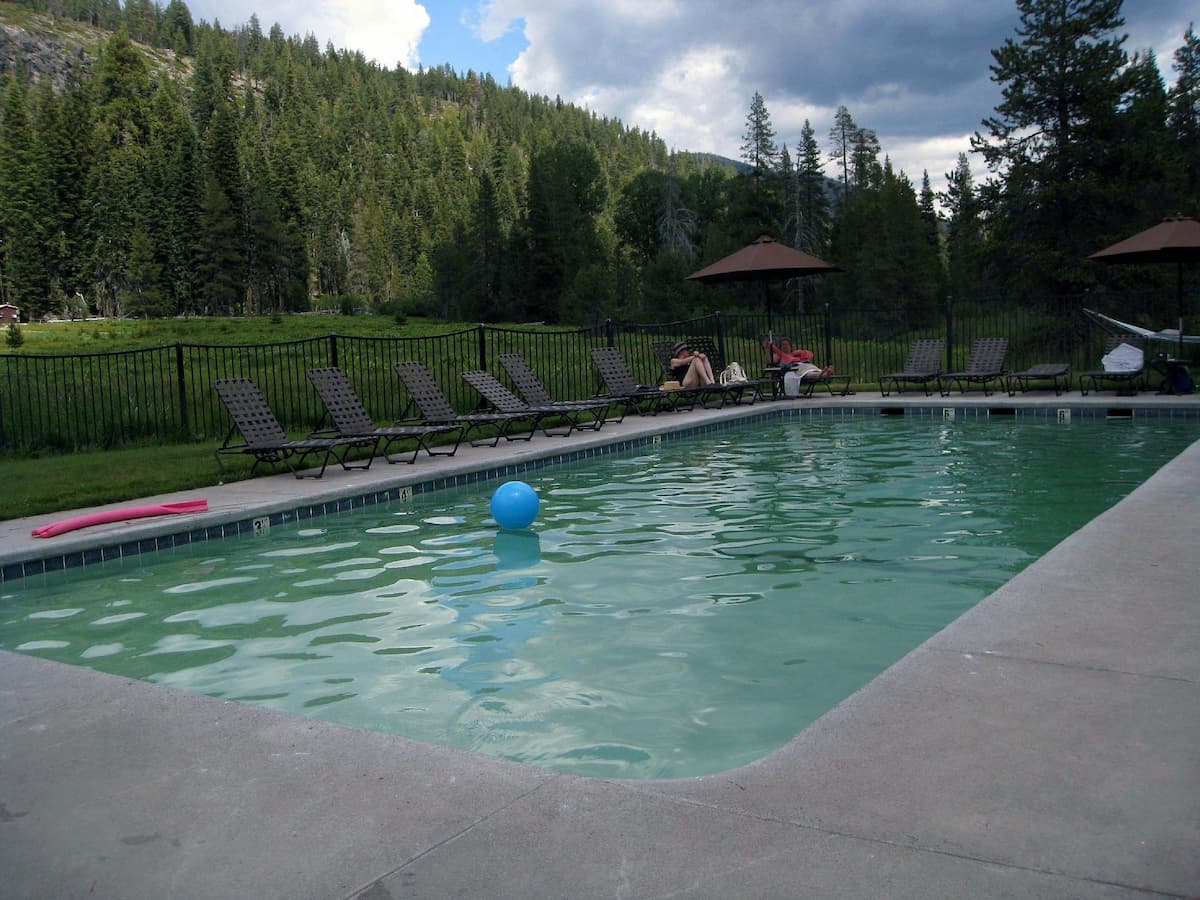
Vulcan Hot Springs, Idaho is a geothermal spring in the Boise National Forest near Cascade in Valley County, approximately 32 miles east of the town. The source water emerges from a hillside at approximately 190 degrees Fahrenheit with a distinct sulfur smell, then flows downhill toward Warm Springs Creek. The spring once featured what was described as the largest natural hot springs pool in Idaho, a roughly 30-foot-wide emerald green geothermal basin. Cascade, a small mountain town on Highway 55, is the nearest community with services.
Forest fires in the area deposited dirt and debris that significantly reduced the pool. As of recent reports, the large pool is gone and the area is covered with sediment. Smaller pools may form where the hot water collects, but conditions vary greatly. The spring remains a popular hiking destination for its scenic trail, geothermal features, and the surrounding Warm Lake area of the Boise National Forest. This is one of several natural hot springs in Idaho in the Cascade and Warm Lake area, alongside Trail Creek Hot Springs and Gold Fork Hot Springs.
Red spider mites have occasionally been reported along the shoreline of any remaining pools.
Location & Access
Getting to Vulcan Hot Springs
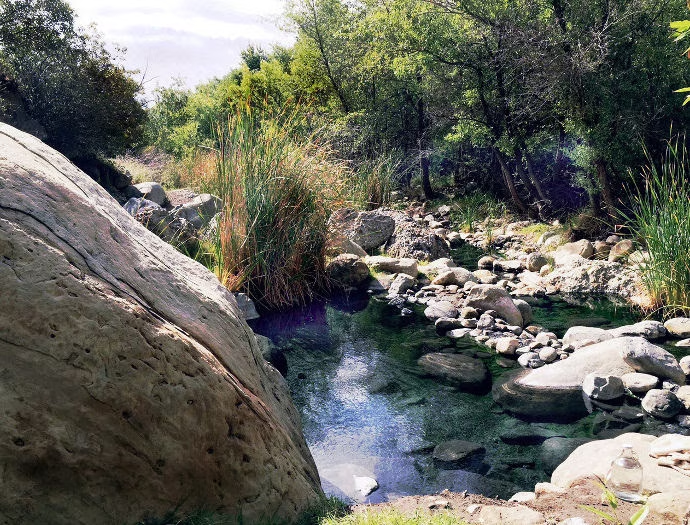
Vulcan Hot Springs is reached by a scenic 0.75-mile trail from a primitive camping area near Stolle Meadows in the Boise National Forest. The trail winds through thick pine and fir forest, crossing three rustic log footbridges over streams and following the banks of Warm Springs Creek. The path is primarily flat with occasional muddy, overgrown, or rocky sections.
From Cascade, drive east approximately 32 miles via Warm Lake Road to the Stolle Meadows area (NF-474/Stolle Meadows Road). Park by the vault toilet and cross the road to find the trailhead at old sign markers. The forest road is unpaved and rough. A high-clearance vehicle is recommended. The road is typically accessible from late spring through fall, closed by snow in winter.
Regional Context
The Warm Lake area of the Boise National Forest is rich in geothermal features. For visitors seeking hot springs near Cascade, Trail Creek Hot Springs (125 degrees source, roadside pools near Warm Lake) and Gold Fork Hot Springs (developed commercial pool near Donnelly) are alternatives that currently offer more reliable soaking. The Warm Lake itself provides fishing, kayaking, and camping. Shoreline Campground on Warm Lake is another option.
Suitability & Accessibility
Who Should Visit Vulcan Hot Springs
Vulcan Hot Springs suits hikers and geothermal enthusiasts who appreciate the scenic trail and geological features rather than visitors expecting a large, comfortable soaking pool. The original 30-foot pool has been significantly reduced by debris, and current soaking conditions are unpredictable. The 0.75-mile trail is easy and suitable for families with children, making it a good short nature hike even without guaranteed soaking.
The spring is clothing optional and pet-friendly, though dogs are not allowed in any pools. The trail is best from April through October. The drive to the trailhead takes longer than the hike itself, so plan for a full outing including travel time. The primitive camping area near the trailhead provides overnight options for visitors combining Vulcan with other Warm Lake area activities.
Accessibility at Vulcan Hot Springs
The trail is not wheelchair accessible. The path is narrow, unpaved, and crosses log footbridges. Those exploring natural hot springs Idaho offers near Cascade who want reliable soaking should visit Trail Creek Hot Springs (short walk, established pools near Warm Lake) or Gold Fork Hot Springs (developed facility near Donnelly, no hiking required) for a comfortable soak with established pools, amenities, and consistent water.
Safety & Etiquette
Vulcan Hot Springs Safety Tips
Vulcan Hot Springs has source water at approximately 190 degrees Fahrenheit, which is near boiling and will cause severe burns on contact. Do not touch the source area or any water near the hillside vents. Any pools that form downstream will be significantly cooler but should still be tested carefully before entering.
The sulfur smell is noticeable near the spring. The forest opens up as you approach, which serves as a natural marker. Red spider mites have been reported in the area and can cause mild skin irritation. The log footbridges on the trail can be slippery when wet.
Wildlife and Environmental Awareness
The Boise National Forest is home to black bears, moose, elk, and mountain lions. Make noise on the trail and store food properly if camping. The Warm Lake area is remote with limited cell service. The nearest medical facilities are in Cascade, approximately 32 miles west on rough forest roads.
Leave No Trace
Pack out all trash. Do not alter the geothermal features or dig new pools. The spring and surrounding area have been impacted by fire and erosion. Follow all Boise National Forest regulations. Carry adequate water and supplies for the drive and hike. The forest road to the trailhead is long and rough, and a breakdown in this area would require significant time to resolve. Ensure your vehicle is in good condition with a full tank of fuel, spare tire, and basic emergency supplies before driving into the Warm Lake area of the Boise National Forest.