Thailand
thailand
Asia
asia

Updated October 10, 2026

Hot springs in Thailand

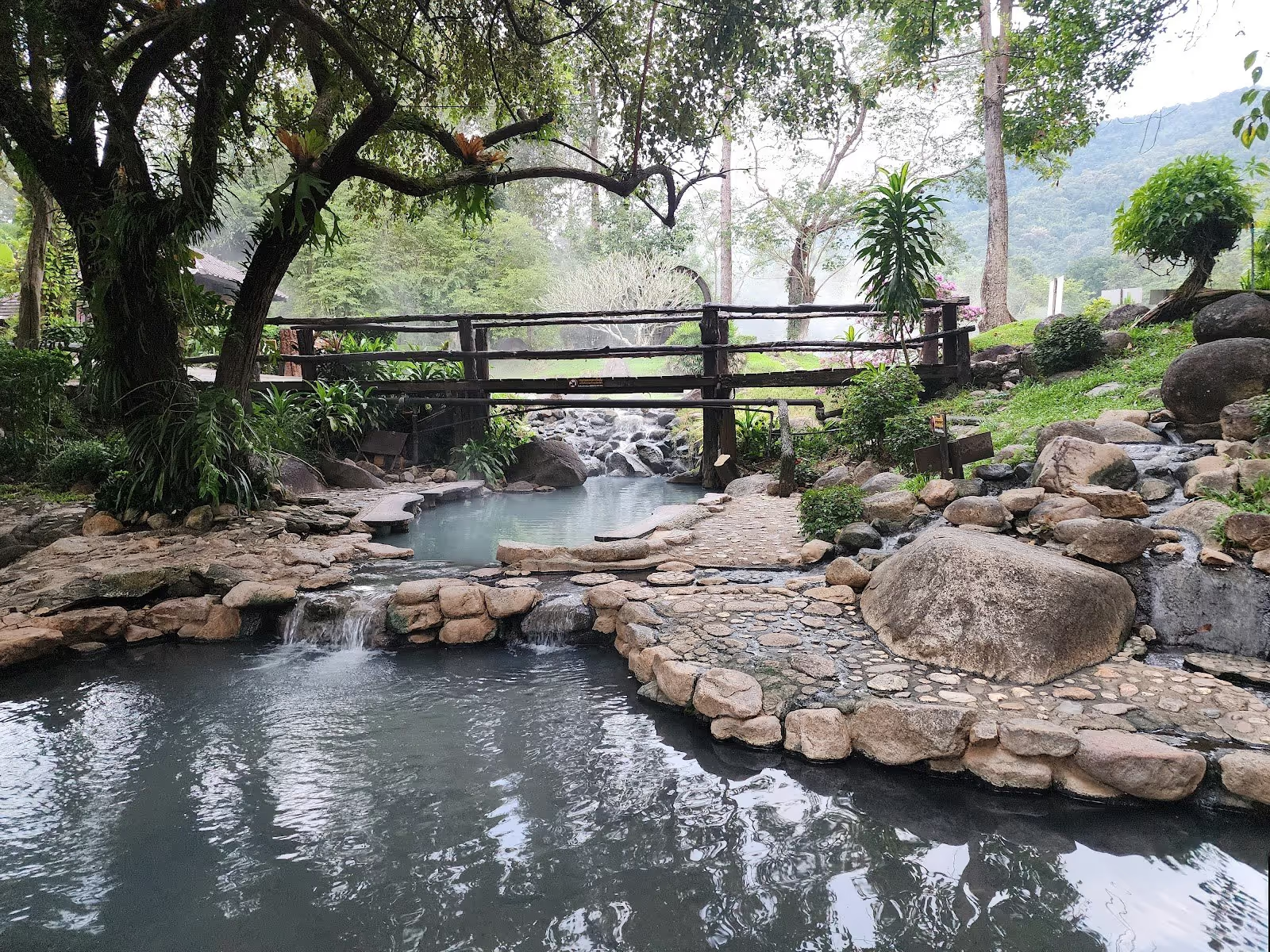
Thailand's hot springs, known locally as bo nam ron, are developed public parks and forest parks fed by natural geothermal water.
Most sit in the forested north around Chiang Mai, with others reaching south to Ranong and Trang, all open for daytime soaking through the year.

Map of hot springs in Thailand

Thailand's hot springs documented here number 8 developed soaking sites, all public pools and forest parks rather than private resorts. They spread across the geothermal north and the Andaman south. Of these 8, only Raksawarin in Ranong is free, and the other 7 charge a small fee. San Kamphaeng near Chiang Mai and Chae Son in Lampang are the most visited, both known locally as bo nam ron (บ่อน้ำร้อน).

Where Thailand's hot springs cluster

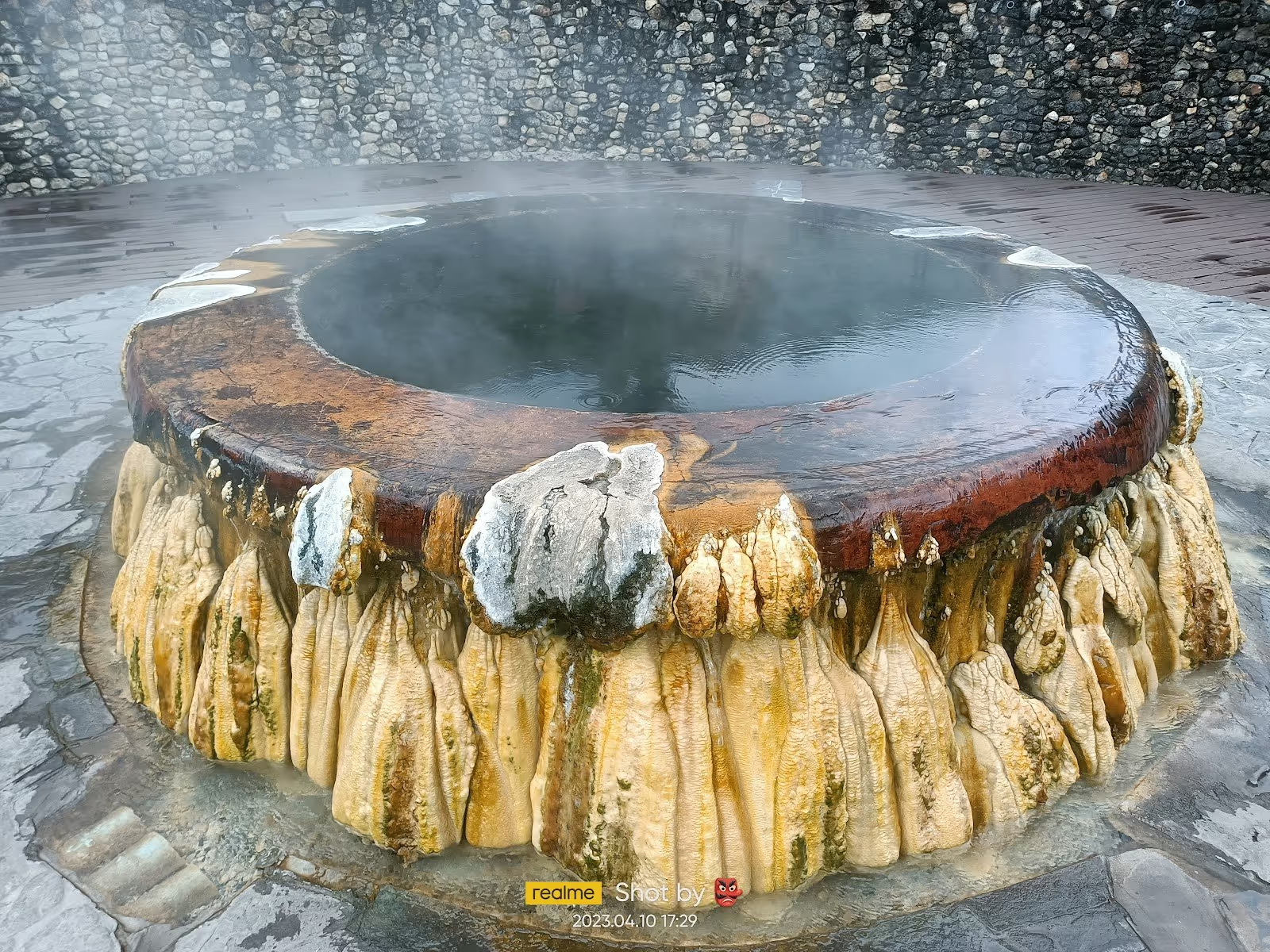
Northern Thailand holds 5 of the 8 sites listed here, grouped around Chiang Mai and the far-north river valleys. San Kamphaeng Hot Springs east of the city is a 40-acre park with geysers, a foot canal, and large communal pools. Tha Pai Hot Spring near Pai and Chae Son Hot Springs in Lampang's national park sit inside forested reserves, each mixing open bathing with private rooms and basins for boiling eggs in the spring water.

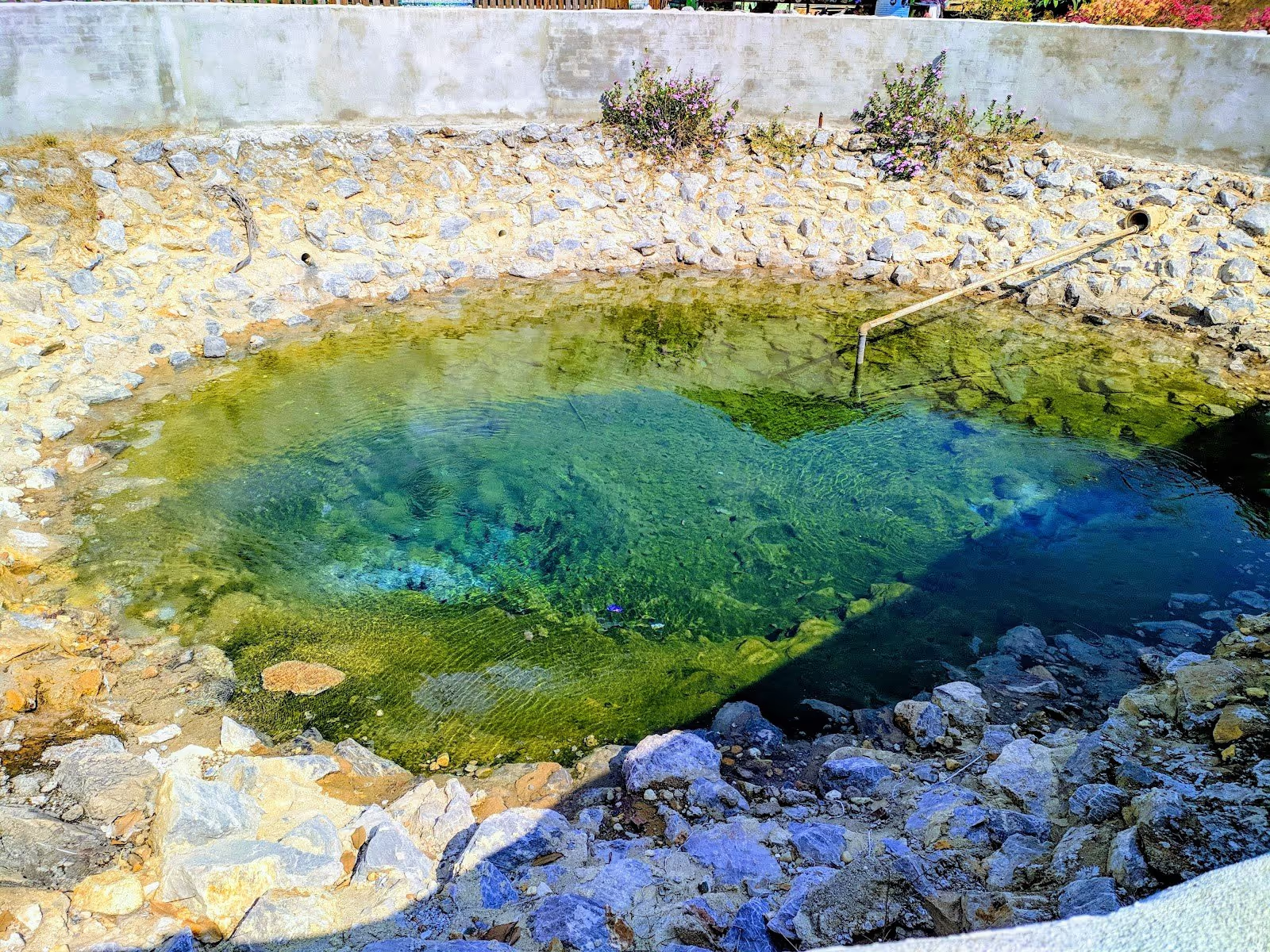
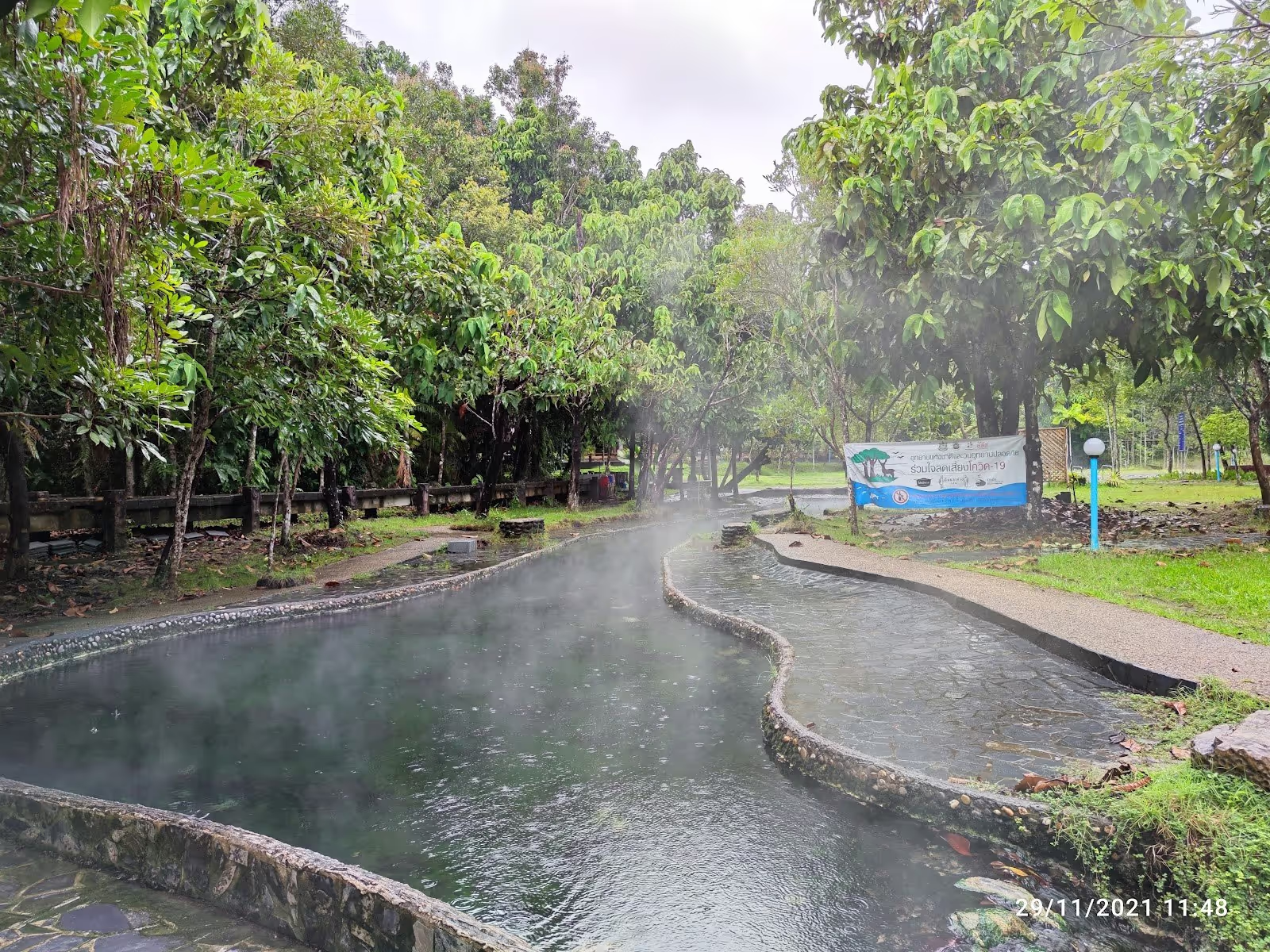
Southern Thailand reaches down the Andaman coast to two more parks. Raksawarin Hot Springs and Public Park near Ranong town is the only free spring in this directory, with foot pools and a hot-floor complex sourced at around 65 degrees Celsius. Kantang Hot Spring Forest Park in Trang pairs three open pools with nine private bath rooms and raised walkways through the trees.

Western Thailand reaches into Kanchanaburi province near the Myanmar border. Hin Dad Hot Spring at Thong Pha Phum dates to the Second World War and sits on the bank of the Kwai Noi river. Its three stone basins run between 40 and 50 degrees Celsius, shaded by tall trees beside the current. This is also the one wheelchair-accessible site in the directory, reached by a ramped path to the water.

What makes Thailand's hot springs different

Thai hot springs favour the developed public-park model over wild bathing. Every bo nam ron listed here is a managed site with built pools, changing rooms, and often baskets for boiling eggs, so a visit is a daytime family outing rather than a backcountry hike. Entry stays low across the board, and all 8 sites listed here welcome children, though only Raksawarin costs nothing. For anyone weighing the wider range of hot springs in Asia, Thailand reads as accessible and park-based rather than a ritual bathhouse culture.
All hot springs in Thailand

Frequently Asked Questions

1
How many hot springs are in Thailand?
8 hot springs in Thailand are documented in this directory, all of them developed public parks and forest parks rather than private resorts. Others exist beyond this directory. They run from San Kamphaeng near Chiang Mai in the north to Kantang Hot Spring Forest Park in Trang in the south, and of the 8 listed, 7 charge entry while only Raksawarin is free.
2
What is the best hot spring in Thailand?
San Kamphaeng Hot Springs near Chiang Mai is the most visited of the 8 sites listed here, a 40-acre park with geysers, a foot canal, communal pools, and private rooms. For a free alternative, Raksawarin Hot Springs and Public Park in Ranong is the clear standout. Which one wins depends on region, so northern travellers tend to pick San Kamphaeng and southern ones Raksawarin.
3
Are there free hot springs in Thailand?
Yes, 1 of the 8 hot springs listed here is free to enter, Raksawarin Hot Springs and Public Park in Ranong on the southern Andaman coast. It has free foot pools and a hot-floor complex sourced at 65 degrees Celsius. The other 7 sites charge a modest entry fee, so budget a small amount for most of the northern parks.
4
What does bo nam ron mean in Thailand?
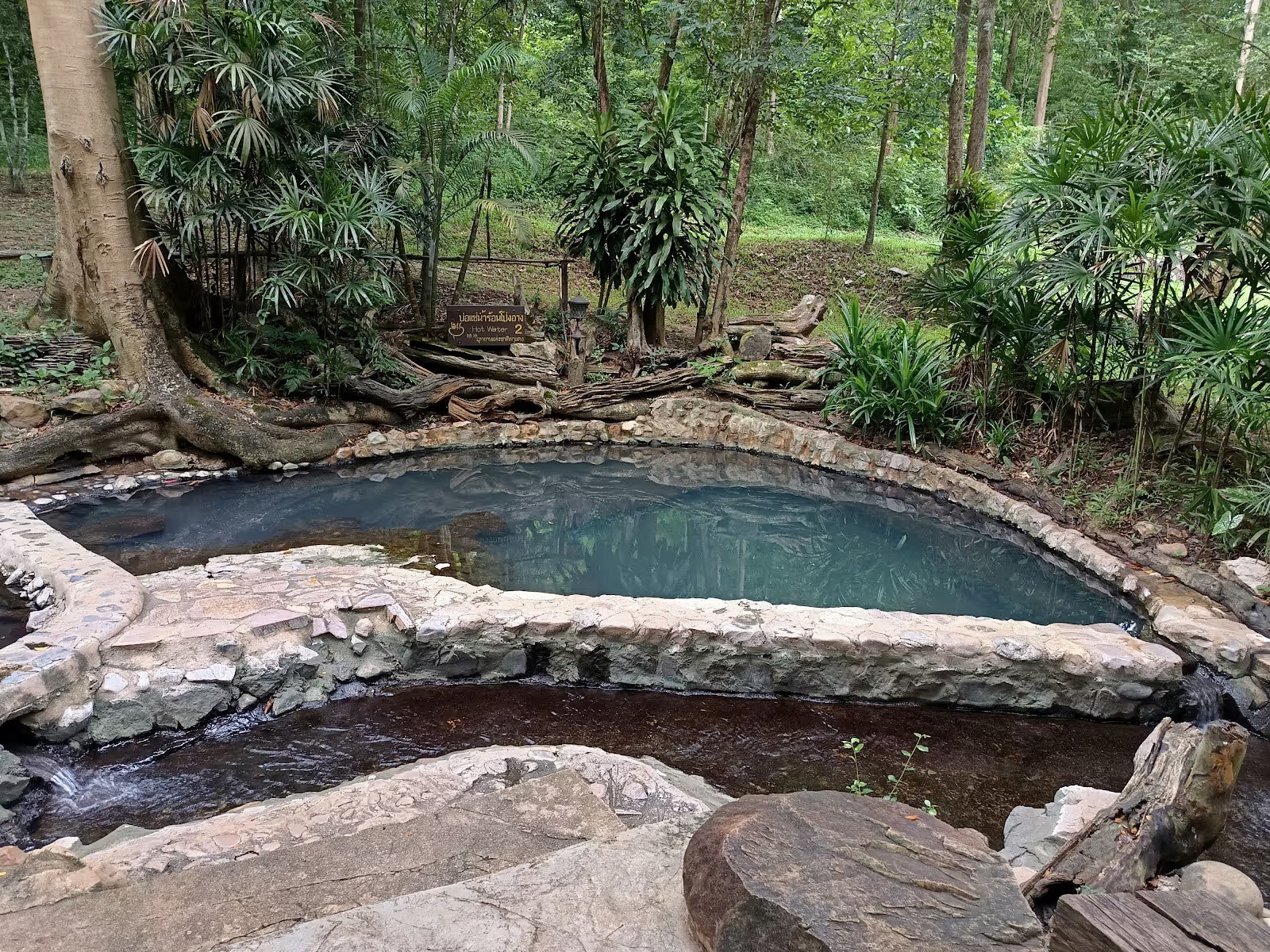
Bo nam ron is the Thai term for a hot spring, literally a hot-water well. All 8 sites listed here fit that description, from the geyser field at San Kamphaeng Hot Springs to the forest pools at Pong Arng. Thai bo nam ron are built up for public soaking rather than ritual bathing, so expect made pools and changing rooms at every stop.
5
When is the best time to visit hot springs in Thailand?
November to February, the cool dry season, is the most comfortable window for soaking, especially at the northern parks around Chiang Mai where mornings turn crisp. The 8 sites listed here open for daytime visits through the year, but the March to May hot season and the June to October rains make midday soaks less pleasant. Chae Son Hot Springs and the other mountain parks are coolest in the 3 winter months.