Chae Son Hot Springs, Thailand
Sulfurous hot spring in Chae Son National Park, Lampang, 75km from Lampang. Open pools, private mineral bungalows, egg-boiling. Foreigners 200 THB entry.
Mueang Pan District, Lampang Province 52240, Thailand
Lampang
TH
18.836605
99.47068
Public Pools & Parks
Paid
Easy to reach (no hike)
Be mindful
Swimsuit required
true
false
Asia
chae-son-hot-springs-thailand
Can you really boil eggs at Chae Son Hot Springs?
Yes. Boiling eggs in the hot spring water is one of the signature activities at Chae Son. The open pools reach 73 to 82 degrees Celsius, which is hot enough to cook an egg in approximately 10 to 15 minutes. The mineral content of the water affects the cooking process, producing a distinctive texture: the yolk cooks before the white fully sets, resulting in a soft yolk and gelled white similar to an onsen egg. Eggs can be purchased from vendors at the park entrance and from stalls near the hot spring area.
What are the entry fees at Chae Son National Park?
Chae Son National Park charges foreigners 200 baht for adults and 100 baht for children. Thai nationals pay 40 baht for adults and 20 baht for children. A vehicle fee of approximately 30 baht applies for cars. Private mineral bath bungalows, which allow soaking in diluted spring water, are available for an additional fee of around 50 baht per session. Bungalow overnight accommodation and camping are also available through the DNP national parks booking system.
What is the best time of year to visit Chae Son Hot Springs?
The cooler dry season from November to February is generally considered the best time to visit. Morning temperatures in this highland park are cooler than lowland Thailand, which makes the steam rising from the 73 to 82-degree pools particularly atmospheric and photogenic. The dry season also means clearer roads and more reliable access. The rainy season from May to November brings lush greenery but can make the access road slippery and the park less comfortable for extended outdoor visits.
Is there accommodation inside Chae Son National Park?
Yes. Chae Son National Park offers bungalow accommodation and a campsite within the park grounds. Bungalows can be booked through the Department of National Parks website, though payment must be completed within Thailand, which can be difficult for overseas visitors. Arriving without a reservation and booking on the spot is possible if bungalows are available. The park has a restaurant open approximately 8:00 AM to 5:00 PM and food stalls near the hot spring area.
How does Chae Son Hot Springs compare to other hot springs in northern Thailand?
2026-09-21
Updated September 21, 2026
Chae Son Hot Springs, Thailand
Sulfurous hot spring in Chae Son National Park, Lampang, 75km from Lampang. Open pools, private mineral bungalows, egg-boiling. Foreigners 200 THB entry.
Experience
Public Pools & Parks
Access Level
Easy to reach (no hike)
What to Wear
Swimsuit required
Address
Mueang Pan District, Lampang Province 52240, Thailand
Find a place to stay
Compare prices near this exact spot across Booking.com, Expedia and more.
See nearby stays →
Overview
About Chae Son Hot Springs
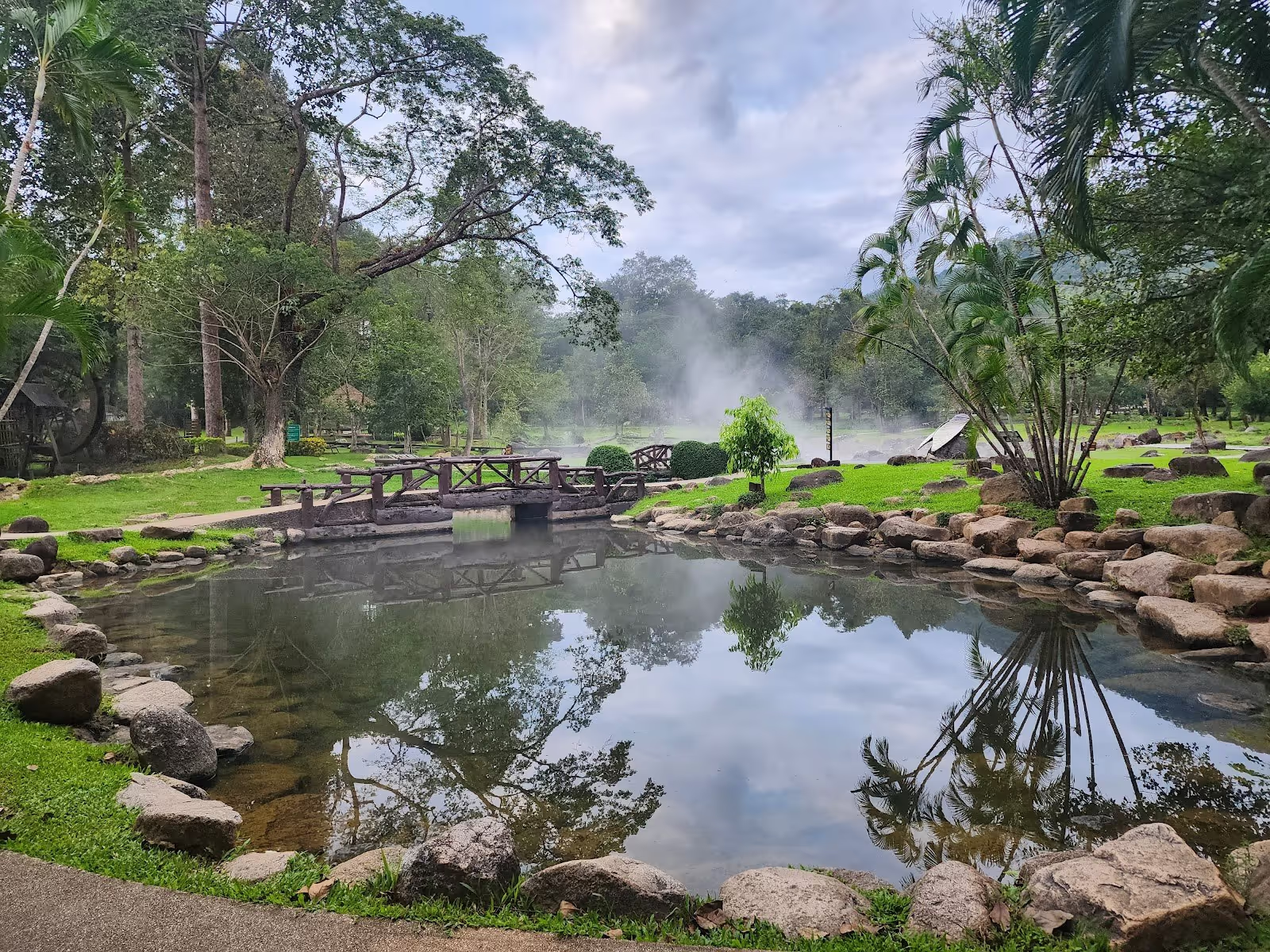
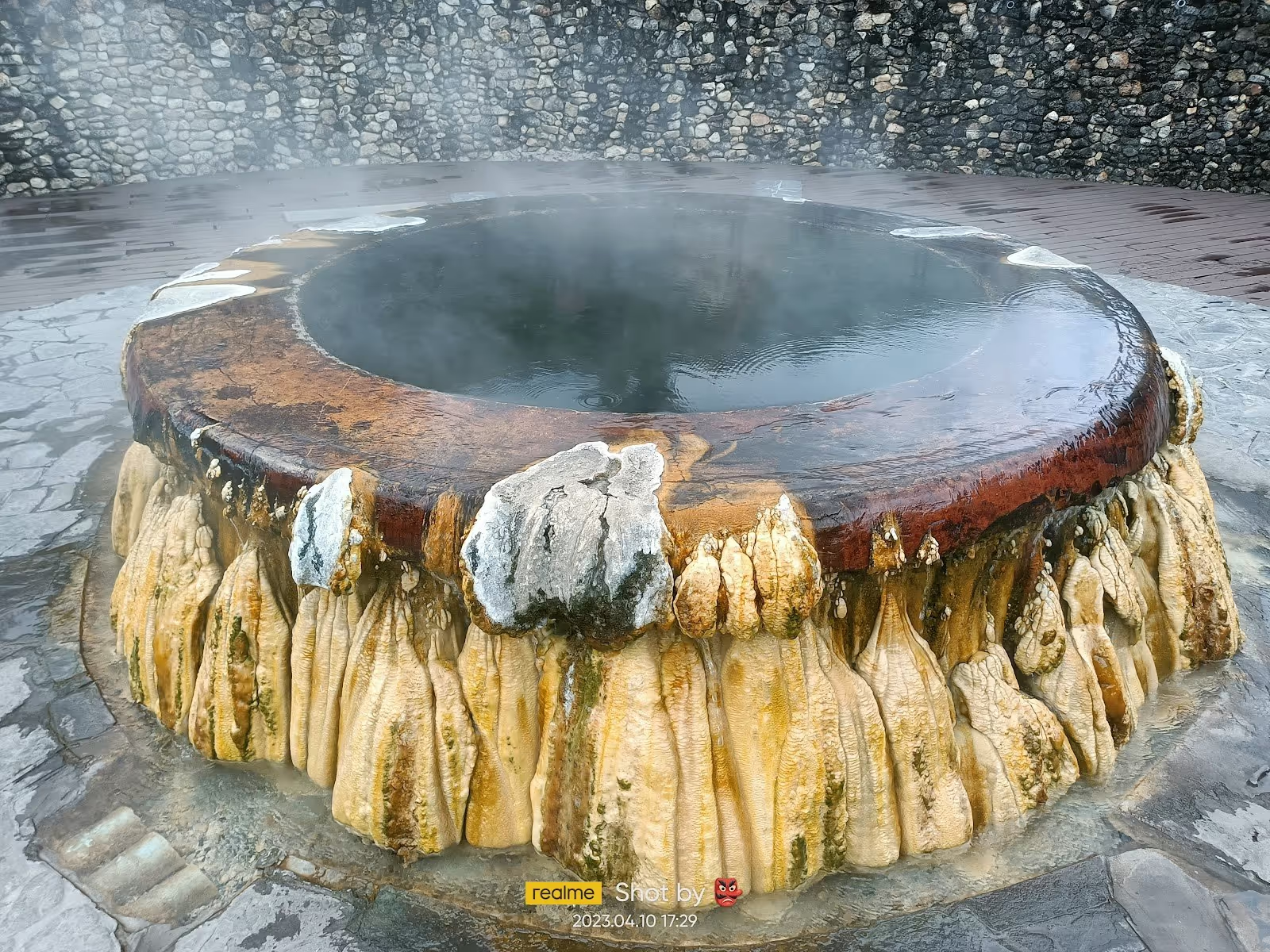
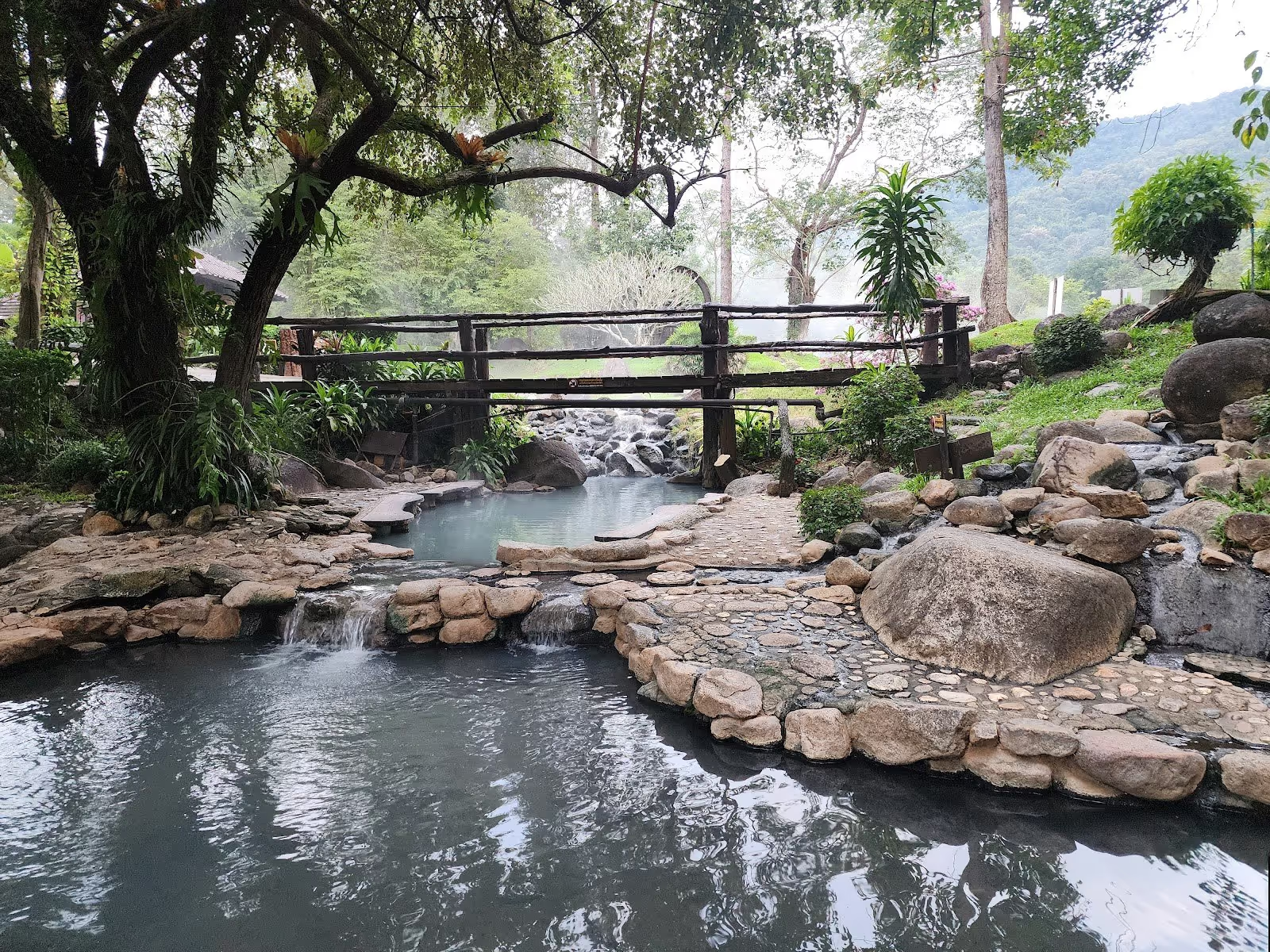
Chae Son Hot Springs, Thailand is a sulfurous geothermal spring area in Chae Son National Park, Mueang Pan District, Lampang Province, approximately 75 kilometres northeast of Lampang city. The spring produces water from nine boreholes at temperatures ranging from 73 to 82 degrees Celsius, forming steaming pools across a rocky, forested setting. The morning steam rising over the pools in cooler months is one of the park's most photographed scenes.
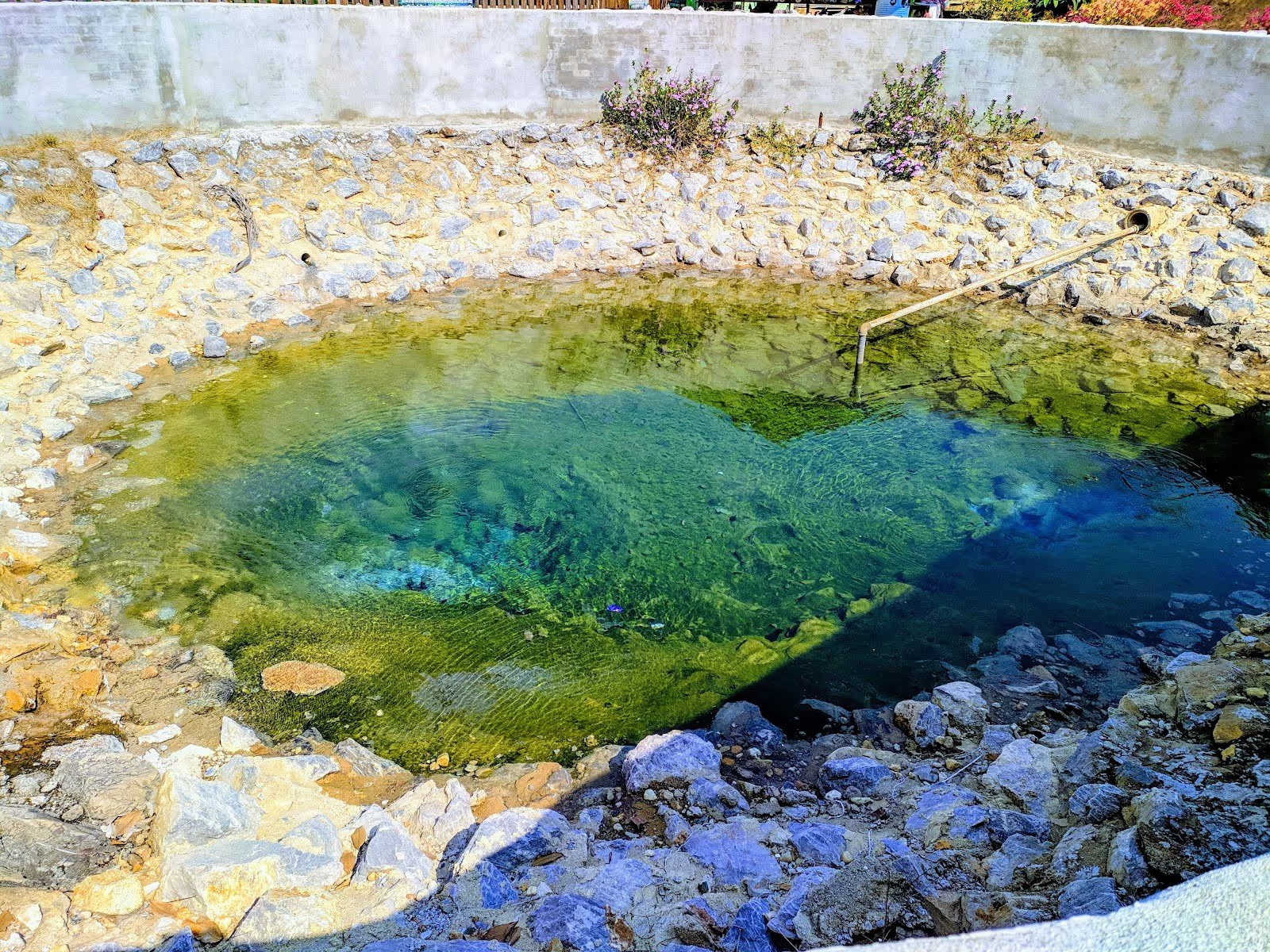
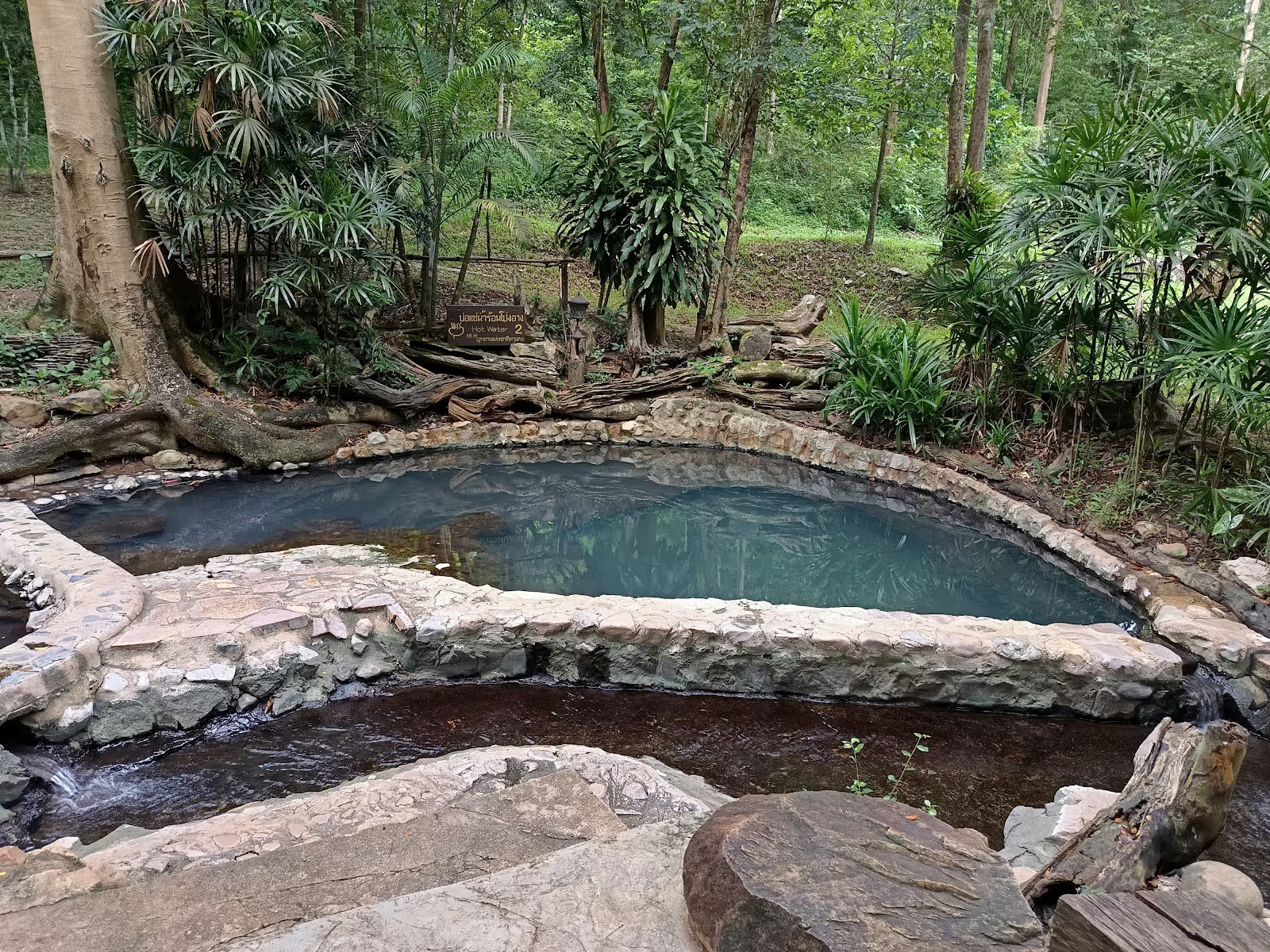
Visitors can use the open outdoor pools, soak in private mineral bath bungalows that pipe in diluted spring water, and boil eggs directly in the hot pools - a popular activity unique to the site. Egg-boiling takes approximately 10 to 15 minutes and produces a distinctive texture similar to an onsen egg, with a soft yolk and gelled white. A six-tiered waterfall accessible via a one-hour trail is nearby. The park has a visitor centre, campsite, bungalow accommodation, a restaurant, and food stalls. Family hot springs near Lampang with both open-air and private soaking options in a national park setting are uncommon in northern Thailand.
Location & Access
Getting to Chae Son Hot Springs
Chae Son Hot Springs is located inside Chae Son National Park in Mueang Pan District, approximately 75 kilometres northeast of Lampang city. The visitor centre and hot springs are reached via Route 1252, roughly 3 kilometres from the park entrance.
By car from Lampang, take Route 1039 northwest, then follow the signs toward Mueang Pan on Route 1157 for approximately 57 kilometres. At the sign for Chae Son National Park, turn onto Route 1252 and continue about 11 kilometres to the headquarters. Total driving time from Lampang is approximately 1.5 to 2 hours. The road passes through scenic mountain terrain and is paved throughout. By car from Chiang Mai, the park is approximately 85 kilometres via Route 1252; the route crosses the park between Lampang and Chiang Mai provinces.
By public transport, songthaew shared trucks run from Lampang between 8:00 AM and 6:00 PM. Confirm the last return departure before you travel; services can be infrequent and timing varies. Entrance fees are 200 baht for adult foreigners, 100 baht for children, and 30 baht per car. The hot spring area and visitor centre are open daily from approximately 8:00 AM to 5:00 PM. Private mineral bath bungalows are available at an additional fee of around 50 baht per session. No advance reservation is required for day visits to the hot springs.
Suitability & Accessibility
Who Should Visit Chae Son Hot Springs
Chae Son Hot Springs suits families, nature travellers, and visitors who want a genuine outdoor hot spring experience within a protected national park setting rather than a commercial spa facility. The combination of open steaming pools, private bath bungalows, and the surrounding forest make it appropriate for a wide range of visitors.
The private mineral bath bungalows are the most comfortable soaking option and are particularly suited to those who prefer privacy, families with younger children, or visitors less comfortable with communal open pools. The open pools are shallow and are used for the famous egg-boiling activity rather than full-body soaking; the water is too hot for extended immersion at the source. A swimsuit is recommended for the private baths. Insect repellent and sun protection are practical for the park grounds.
The waterfall trail, approximately one hour return, is accessible to reasonably fit visitors and does not require technical hiking experience. The terrain is forested and involves some uneven ground; it is not suitable for elderly visitors or those with significant mobility limitations. The area is at moderate elevation and cooler than lowland Thailand, particularly from November to February when the morning steam from the hot springs is most dramatic. Hot springs near Lampang in a national park setting like Chae Son attract both domestic Thai visitors and international tourists throughout the year.
Safety & Etiquette
Chae Son Hot Springs Safety Tips
Chae Son Hot Springs is generally safe when basic precautions are followed, but the water temperature at the pools is hot enough to cause scalding burns if touched at the source vents. The pools vary in temperature; always test the water carefully before entering or placing any body part into the water. Do not touch the boiling source vents directly. Children must be supervised closely at all times near the open pools.
The rocks around the hot spring pools can be extremely slippery due to mineral deposits and constant moisture. Walk carefully, use designated paths, and wear footwear with grip when moving between pools. The steam from the pools reduces visibility at close range, particularly in cooler early morning hours; be aware of the ground in front of you.
The private mineral bath bungalows supply diluted spring water at a more manageable temperature, but the water is still warm to hot. Allow the water to cool if needed before soaking. Monitor your body's response; limit continuous soaking to 15 to 20 minutes and stay hydrated. Pregnant visitors and those with heart conditions or skin conditions should exercise caution with high-temperature spring water.
Insects are active throughout the park, particularly in the rainy season from May to November. Bring mosquito repellent. The access road to the park is a mountain road; drive carefully, particularly in wet conditions. There is no mobile signal in much of the park. The park's nearest emergency services are in Lampang city, approximately 75 kilometres away; carry a basic first aid kit and inform someone of your plans before entering the park.
Frequently Asked Questions
1
Can you really boil eggs at Chae Son Hot Springs?
Yes. Boiling eggs in the hot spring water is one of the signature activities at Chae Son. The open pools reach 73 to 82 degrees Celsius, which is hot enough to cook an egg in approximately 10 to 15 minutes. The mineral content of the water affects the cooking process, producing a distinctive texture: the yolk cooks before the white fully sets, resulting in a soft yolk and gelled white similar to an onsen egg. Eggs can be purchased from vendors at the park entrance and from stalls near the hot spring area.
2
What are the entry fees at Chae Son National Park?
Chae Son National Park charges foreigners 200 baht for adults and 100 baht for children. Thai nationals pay 40 baht for adults and 20 baht for children. A vehicle fee of approximately 30 baht applies for cars. Private mineral bath bungalows, which allow soaking in diluted spring water, are available for an additional fee of around 50 baht per session. Bungalow overnight accommodation and camping are also available through the DNP national parks booking system.
3
What is the best time of year to visit Chae Son Hot Springs?
The cooler dry season from November to February is generally considered the best time to visit. Morning temperatures in this highland park are cooler than lowland Thailand, which makes the steam rising from the 73 to 82-degree pools particularly atmospheric and photogenic. The dry season also means clearer roads and more reliable access. The rainy season from May to November brings lush greenery but can make the access road slippery and the park less comfortable for extended outdoor visits.
4
Is there accommodation inside Chae Son National Park?
Yes. Chae Son National Park offers bungalow accommodation and a campsite within the park grounds. Bungalows can be booked through the Department of National Parks website, though payment must be completed within Thailand, which can be difficult for overseas visitors. Arriving without a reservation and booking on the spot is possible if bungalows are available. The park has a restaurant open approximately 8:00 AM to 5:00 PM and food stalls near the hot spring area.
5
How does Chae Son Hot Springs compare to other hot springs in northern Thailand?
Chae Son is widely regarded as one of the most scenic hot spring settings in northern Thailand, combining well-maintained open pools, private bath bungalows, and a forested national park environment within 75 kilometres of Lampang. Unlike some commercial hot spring facilities, Chae Son retains a natural character with rocky spring vents, steaming pools, and forest surroundings. The nearby six-tiered waterfall, accessible via a one-hour trail, adds to the day's itinerary in a way that standalone hot spring facilities cannot offer.
Gallery
No pictures available for this hot spring.
Location
Address:
Mueang Pan District, Lampang Province 52240, Thailand
Find a place to stay
Compare prices near this exact spot across Booking.com, Expedia and more.
See nearby stays →
18.836605
99.47068
Chae Son Hot Springs, Thailand
Text LinkMueang Pan District, Lampang Province 52240, Thailand
More hot springs in Thailand
Some accommodation links on this site are affiliate links. If you book through them, we may earn a small commission at no additional cost to you. This helps keep hotspringsguides.com free to use.