Piscine Termali del Bagnaccio, Italy
Low-cost thermal park with six natural outdoor pools (23-66°C) in Viterbo countryside, ancient Roman origins, night bathing available.
Strada Bagni, 01100 Viterbo (VT), Lazio
Viterbo
IT
42.44
12.08
Public Pools & Parks
Paid
Easy to reach (no hike)
Generally safe
Swimsuit required
true
false
Europe
piscine-termali-bagnaccio-italy
What is the history of the Roman ruins at Bagnaccio?
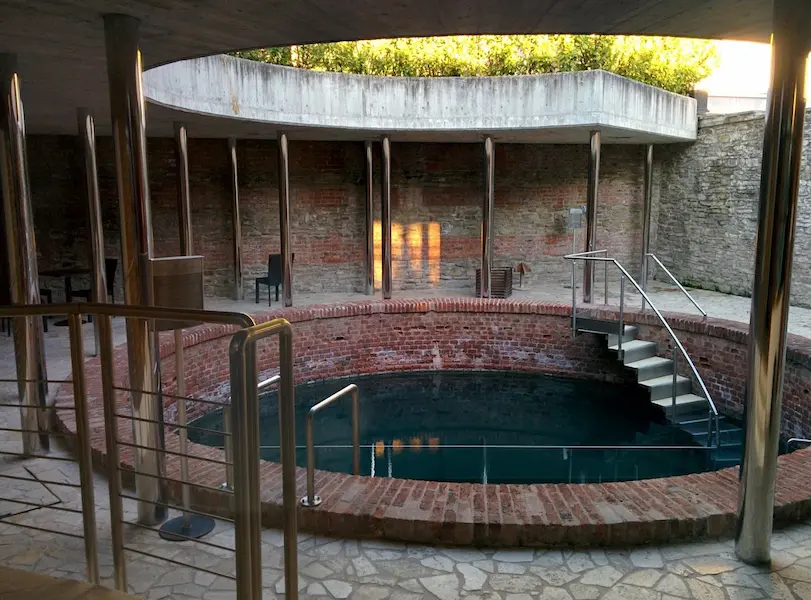
The Roman bath ruins at Bagnaccio (Terme del Bacucco) represent one of the most significant archaeological features of the thermal site and provide direct physical evidence of the springs' importance during the Roman Empire. Ancient Roman documents refer to the springs as Aquae Passeris, and the substantial architectural remains indicate this was not a minor rural bath but a significant bathing complex. The visible ruins include foundation walls constructed from opus caementicum (Roman concrete), fragments of opus reticulatum wall facing (diamond-shaped stone pattern characteristic of Roman construction), hypocaust pilae (the small brick pillars that supported raised floors allowing hot air circulation in Roman heating systems), and scattered architectural elements including column bases and decorative stone fragments. The scale of the ruins suggests the original complex included multiple bathing chambers of different temperatures (caldarium for hot baths, tepidarium for warm baths, frigidarium for cold plunge), changing rooms (apodyterium), and social spaces typical of Roman thermae. The location along the Via Cassia road connecting Rome to northern territories made Bagnaccio a logical stopping point for travelers requiring rest and bathing facilities. Roman soldiers, merchants, government officials, and civilians traveling this important route would have used these baths. The therapeutic reputation of the sulfurous waters was recognized in Roman times, as Roman medical writers including Pliny the Elder documented the healing properties of various Italian thermal springs. After the fall of the Roman Empire, the bath buildings fell into disrepair and were gradually dismantled, with much of the dressed stone robbed for use in medieval construction. What remains today is primarily the foundation structure and some lower wall courses. Archaeological excavation and study of the site has been limited, so many questions about the exact layout, construction dates, and period of use remain unanswered. The ruins are unfenced and accessible within the thermal park, allowing visitors to walk among ancient walls where Romans bathed two millennia ago, creating a powerful historical connection. Michelangelo referenced these ruins in drawings documenting Roman architecture during his studies in the region.
Can I visit Bagnaccio as a day trip from Rome?
Yes, Piscine Termali del Bagnaccio is feasible as a day trip from Rome and is increasingly popular with Romans seeking accessible thermal bathing without requiring overnight stays. The distance is approximately 100 kilometers (1.5 hours driving via A1 autostrada and SS675/SS2 roads), making it comfortable for a day excursion. Travelers can depart Rome mid-morning, arrive at Bagnaccio around 11:00, spend 4 to 6 hours enjoying the thermal pools and picnicking on the lawns, and return to Rome in the evening. The low admission price (5 to 7 euros) makes this economically attractive compared to day spa prices in Rome. Many Romans combine the thermal visit with exploration of Viterbo's historic center, which features stunning medieval architecture including the Palazzo dei Papi (Papal Palace) where the longest papal conclave in history occurred, the atmospheric San Pellegrino medieval quarter, beautiful fountains, and excellent Lazio regional cuisine in traditional trattorias. A full-day itinerary might include morning thermal bathing at Bagnaccio (arriving when the facility opens to avoid crowds), lunch in Viterbo trying local specialties including acquacotta (traditional soup) and Viterbo-style gnocchi, afternoon exploration of the historic center and perhaps visit to nearby Villa Lante gardens in Bagnaia (a spectacular Renaissance garden), and return to Rome in the evening. Alternatively, visitors could combine Bagnaccio with visits to other free thermal sites in the Viterbo area including Bullicame (the spring mentioned by Dante in the Inferno), Piscine Carletti (open 24 hours for nighttime bathing), or even compare the rustic free springs with the developed facilities at Terme dei Papi. For travelers without cars, regional trains run from Roma Termini to Viterbo (approximately 2 hours), though reaching Bagnaccio from Viterbo train station requires taxi or careful navigation of limited local bus services, so most day trippers drive. The combination of thermal bathing, Roman history, medieval architecture, and Lazio cuisine makes the Viterbo area an excellent day trip destination from Rome offering variety beyond just thermal bathing.
What should I bring to Bagnaccio for a day visit?
Essential items for a Bagnaccio day visit include swimsuit and swim cap (both mandatory in pools), at least two large towels (one for sitting on grass or benches and one for drying after bathing), water shoes or sandals with good grip for navigating wet slippery surfaces around pools, drinking water (bring at least 1 to 2 liters per person as vending machines offer limited options and hydration is critical during thermal bathing), food and snacks for full-day visits (the facility has limited food availability, and many visitors bring picnic lunches to enjoy in the designated picnic areas), sunscreen and sun hat (the pools are outdoor and exposed with limited shade), and cash for admission payment (verify whether card payment is accepted). Recommended additional items include a backpack or bag for organizing belongings, flip-flops or sandals specifically for changing areas and showers (separate from water shoes for pool areas), toiletries including travel-sized shampoo and body wash for showering after thermal bathing, plastic bags for separating wet items from dry belongings, a light coverup or robe for walking between pools and changing areas, a small cooler or insulated bag if bringing perishable food during summer months, reading material or entertainment for relaxing on the lawns between soaking sessions, and a flashlight or headlamp if planning evening or nighttime bathing when natural light is limited. Items to leave at home include valuable jewelry (sulfurous water tarnishes silver and can affect other metals), expensive cameras or electronics (the humid thermal environment and wet conditions create risk), and glass containers (usually prohibited in pool areas for safety). For first-time visitors, arriving early on weekdays provides the best experience with fewer crowds, more available changing space, and a calmer atmosphere. Bringing a light snack to eat before leaving allows visitors to refuel before the drive back, as post-thermal bathing can leave people feeling relaxed and slightly energy-depleted. Many regular visitors also bring folding chairs or camping chairs to create comfortable sitting areas on the lawns, though this is optional as the grass provides adequate seating.
How does Bagnaccio compare to other Viterbo thermal sites?
Is nighttime bathing at Bagnaccio worth experiencing?
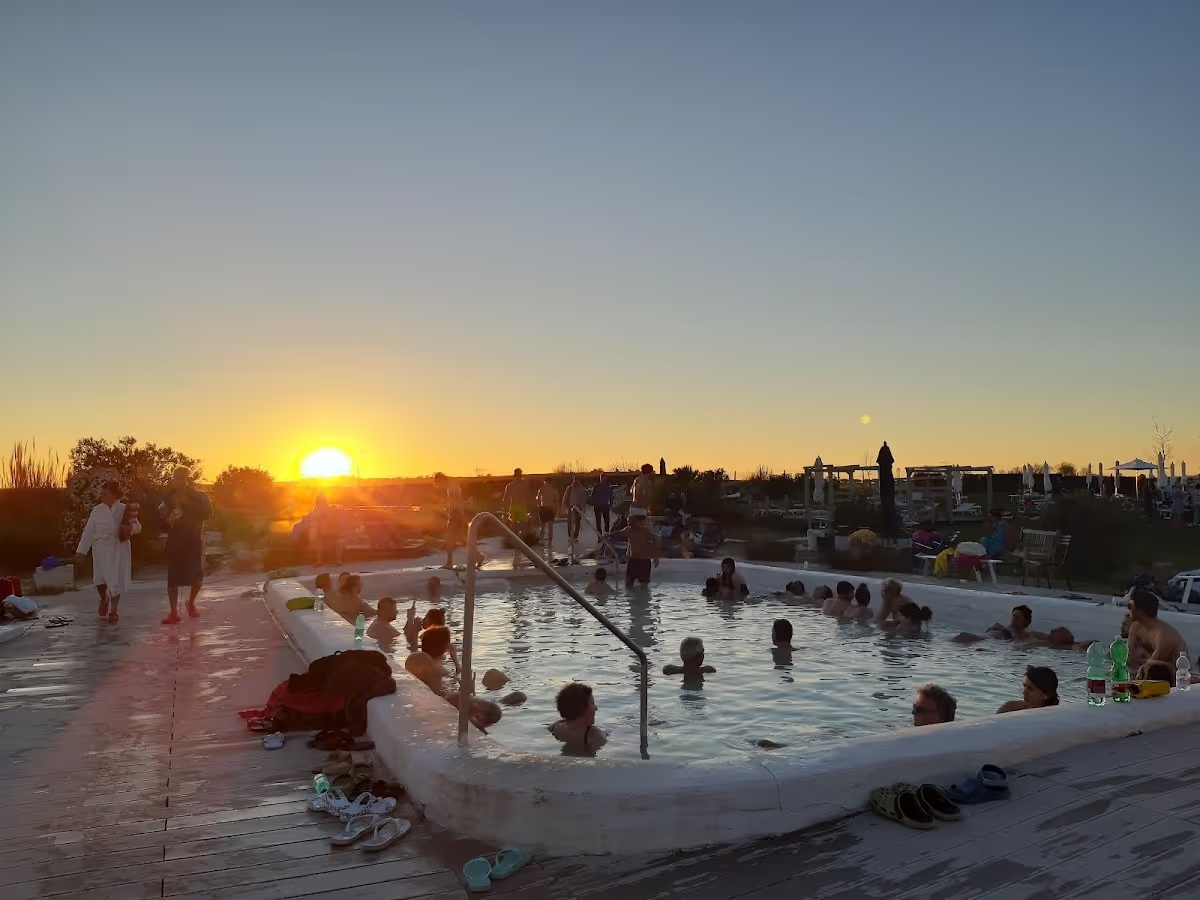
Nighttime bathing at Piscine Termali del Bagnaccio offers a distinctly romantic and atmospheric experience that many visitors consider the highlight of their visit. During summer months, the facility extends hours to 23:30 on weekends (last entry 22:00) and 22:00 on weekdays (last entry 21:00), specifically to accommodate evening and nighttime bathing. As darkness falls, the thermal pools take on a magical quality with steam rising visibly into the cooler night air, creating dramatic vapor clouds illuminated by whatever ambient light is present (moonlight, starlight, minimal facility lighting). The temperature contrast between the warm pools (especially the hotter ones at 40 to 66 degrees Celsius) and the cool night air creates a sensory experience markedly different from daytime bathing. Many visitors describe the experience as deeply romantic and peaceful, with fewer crowds than daytime (most families and day trippers have departed), creating an intimate atmosphere popular with couples. The view of stars overhead while soaking in warm water, the sounds of night in the countryside (crickets, occasional night birds), and the reduced visual distractions allow focus on the pure physical sensation of thermal bathing. Some visitors specifically time visits around full moons to enjoy the moonlight illumination of the pools and surrounding landscape. However, nighttime bathing requires extra caution and preparation. Bring reliable flashlights or headlamps as facility lighting may be minimal, making navigation of the grassy areas, paths between pools, and changing facilities more challenging in darkness. The uneven terrain and slippery wet surfaces around pools are harder to see, increasing trip hazards. The remote countryside location means essentially no light pollution, creating exceptionally dark conditions when the moon is not full. Nighttime temperatures can drop significantly even in summer, so bring warm clothing for the period between exiting the pools and getting fully dressed. Some visitors find the darkness slightly unnerving given the lack of security personnel and the remote location. Despite these considerations, nighttime bathing remains highly popular and frequently mentioned in positive reviews as a unique memorable experience worth the extra planning and caution required.

Piscine Termali del Bagnaccio, Italy

Low-cost thermal park with six natural outdoor pools (23-66°C) in Viterbo countryside, ancient Roman origins, night bathing available.
Quick Facts
Experience
Public Pools & Parks
Access Level
Easy to reach (no hike)
Safety Level
Generally safe
What to Wear
Swimsuit required
Family Friendly
Yes
Entry Fee
Paid
Wheelchair Access
No
Address
Strada Bagni, 01100 Viterbo (VT), Lazio

Overview

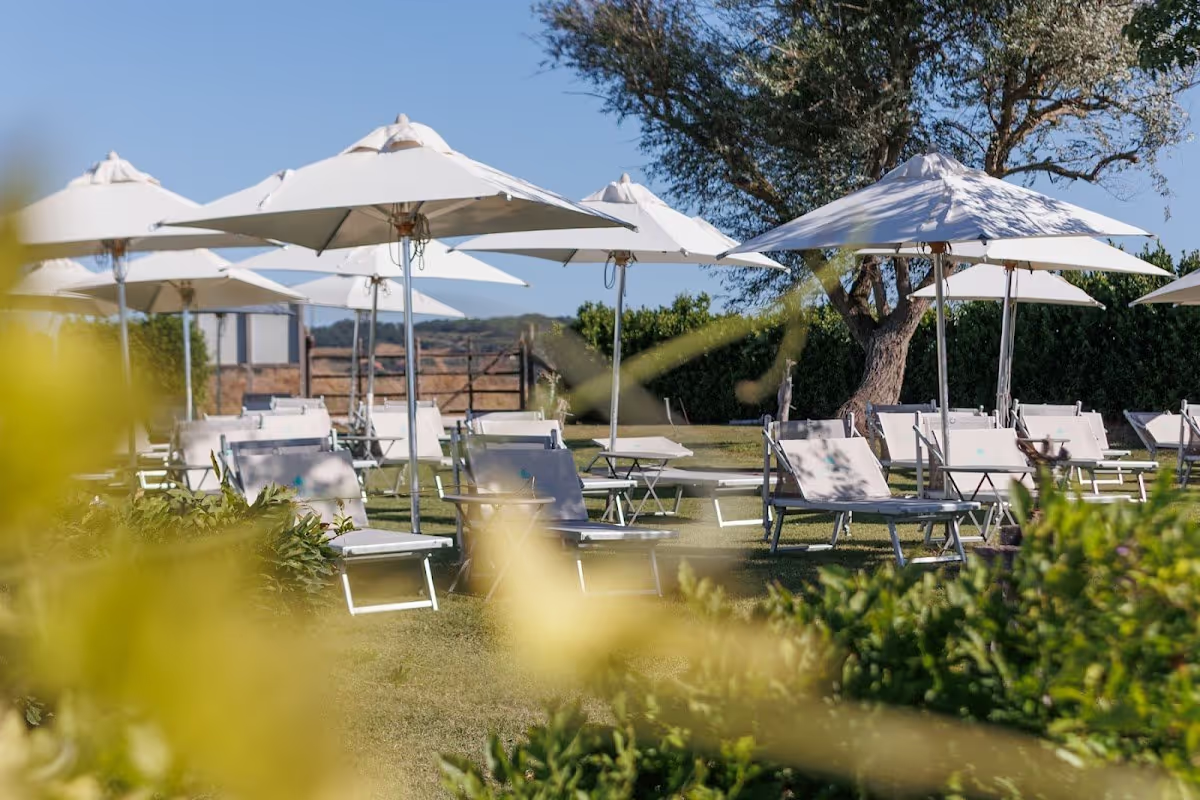
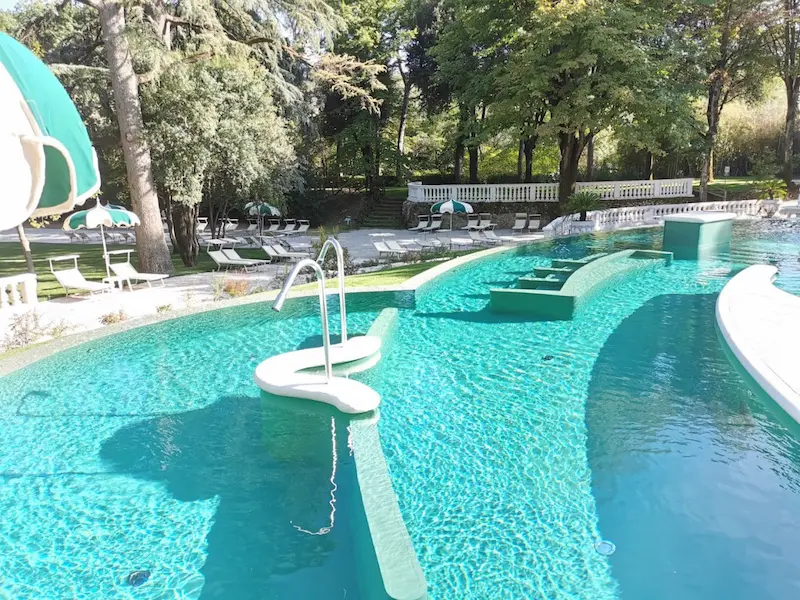
Piscine Termali del Bagnaccio occupies a scenic location in the rolling countryside 8 kilometers northwest of Viterbo along the ancient Via Cassia route that connected Rome to Tuscany and served medieval pilgrims traveling the Via Francigena to Rome. The thermal springs have been known and utilized since antiquity with the earliest references appearing in Roman documents identifying the springs as Aquae Passeris. Archaeological evidence confirms extensive Roman use of the springs with substantial remains of Roman bath buildings called Terme del Bacucco still visible at the site, including foundation walls, architectural fragments, and hypocaust heating system remnants indicating the sophistication of ancient bathing facilities here. During the medieval period, the springs maintained popularity because Bagnaccio sat along the Via Francigena pilgrimage route providing refreshment for travelers, merchants, and religious pilgrims journeying to Rome. Historical documents record continuous use through the medieval and Renaissance periods. The thermal area includes multiple natural springs discharging both hyperthermal waters (between 40 and 66 degrees Celsius) and hypothermal waters (between 23 and 29 degrees Celsius) creating diverse bathing options. The waters are classified as sulfurous sulfate bicarbonate alkaline earth type containing dissolved sulfur compounds, calcium, magnesium, bicarbonate, and other minerals with recognized therapeutic properties. Natural gas emissions associated with the geothermal activity are sometimes captured and used for insufflation treatments (breathing thermal vapors) beneficial for respiratory conditions. The modern facility developed gradually through the 20th century with periods of public access interspersed with temporary closures due to management challenges. The current operation is managed by the Association of Social Promotion Il Bagnaccio, a non-profit organization dedicated to the sustainable development and social promotion of the thermal waters, maintaining public access at affordable prices while preserving the natural character of the site. The park contains six distinct thermal pools constructed at different periods, each fed by separate spring sources providing water at different temperatures and slight variations in mineral composition.

Location & Access

From Viterbo city center (approximately 8 kilometers, 12 to 15 minutes by car), take State Road 2 (Via Cassia) heading north toward Montefiascone. At a large Eni service station, turn onto Provincial Road 7 (Strada Provinciale 7). Travelers coming from Viterbo will find this turn on the left shortly after passing a local supermarket. Travelers approaching from the north from Tuscany should watch for the Fiera di Viterbo (Viterbo fairground complex) on the left and turn right shortly after onto Provincial Road 7. Continue on the provincial road for approximately 1 kilometer, then turn left onto an unpaved dirt road (strada bianca, white road). Follow this dirt road for approximately 2 kilometers through countryside until reaching a large grassy clearing where the thermal park is located. The final approach on the unpaved road requires careful driving particularly after rain when the surface may be muddy, though any standard vehicle can navigate it under normal conditions. Free parking is available in the grassy clearing adjacent to the thermal pools. Public transport options are limited, and most visitors arrive by private car, taxi, or bicycle. Some visitors walking the Via Francigena pilgrimage route specifically plan stops at Bagnaccio as it lies directly on the historic route. From Rome (approximately 100 kilometers, 1.5 hours), take the A1 Autostrada del Sole motorway north toward Florence, exit at Orte, then follow SS675 and SS2 toward Viterbo, continuing as described above. The rural location and unpaved access road contribute to the natural rustic character of the site but mean facilities are basic compared to developed spa resorts. Visitors should bring towels, drinking water, snacks, and any other items needed for the day as on-site services are minimal.

Suitability & Accessibility

Piscine Termali del Bagnaccio suits visitors seeking affordable authentic thermal experiences in a natural countryside setting without luxury amenities or commercial development. The facility welcomes all ages and is popular with families, as the variety of pool temperatures allows parents to choose appropriate pools for children while adults enjoy hotter waters. The shallow depth in some pools and the moderate temperatures in the hypothermal pools (23 to 29 degrees Celsius) make those areas suitable for young children, though supervision is essential as there are no lifeguards on duty. The hyperthermal pools (40 to 66 degrees Celsius) require caution and are appropriate only for healthy adults and older children capable of regulating their heat exposure. The basic rustic facilities mean the experience appeals most to visitors comfortable with minimal services and a DIY approach to thermal bathing. Changing cabins are limited in number (feedback indicates they can be few and poorly distributed during busy periods), so peak times (weekends, summer afternoons) may involve waiting for changing space. The facility lacks wheelchair accessibility due to uneven grassy terrain, steps or slopes accessing some pools, and basic changing facilities not designed for mobility assistance. Visitors with mobility limitations should contact the facility in advance to determine feasible areas. The natural setting and picnic areas create a social atmosphere popular with groups of friends and families who bring food and spend full days relaxing between soaking sessions. The extended evening hours (until 23:30 on summer weekends) attract couples and romantic visitors seeking the unique experience of nighttime bathing under stars with steam rising from the warm pools. Solo travelers walking the Via Francigena pilgrimage appreciate Bagnaccio as a rest point offering both physical restoration and historical continuity with centuries of pilgrims who stopped here. The low admission price (5 to 7 euros) makes this accessible for budget travelers and locals who visit regularly. The thermal waters are particularly valued by local Viterbo residents who consider them very effective for respiratory conditions and joint pain, creating a loyal local community of regular bathers. Visitors should bring all personal items (towels, soap, shampoo, drinks, snacks) as on-site purchases are limited to vending machine beverages and packaged snacks.

Safety & Etiquette

Piscine Termali del Bagnaccio Safety Tips

The pools at Bagnaccio range from pleasantly warm (23 degrees Celsius) to very hot (66 degrees Celsius), so visitors must test water temperature before entering and choose appropriate pools for their heat tolerance and health status. Start with cooler pools and progressively move to warmer pools to allow gradual acclimatization. Limit initial soaking sessions to 15 to 20 minutes in the hottest pools to avoid heat exhaustion, and take frequent breaks on the lawns or picnic areas to cool down and rehydrate. There are no lifeguards or medical personnel on site, so visitors are responsible for their own safety and must recognize signs of heat stress including dizziness, nausea, rapid heartbeat, or confusion, exiting the water immediately if these occur. The sulfurous content of the waters creates a distinctive rotten egg smell that some visitors find unpleasant or nauseating, particularly those sensitive to strong odors. Pregnant women and individuals with cardiovascular conditions, uncontrolled hypertension, or other serious health conditions should consult physicians before using hyperthermal waters. Children must be supervised constantly as there is no safety staff, and young children should use only the cooler pools appropriate for their size and heat tolerance. The facilities are rustic with basic amenities, so bring flashlights or headlamps if planning evening bathing as lighting may be limited in some areas. The grassy surfaces around pools can be slippery when wet, and pool entries may have uneven surfaces, so wear appropriate footwear (water shoes or sandals with grip) and move carefully. Some pools have been reported as being only partially filled or shallow, so verify pool depth before jumping or diving. During peak periods (summer weekends), overcrowding can compromise the relaxing atmosphere and hygiene standards, so weekday visits offer better conditions. The unpaved access road can become muddy and difficult to navigate during or after heavy rain, potentially requiring careful driving or walking. Bring sufficient drinking water for hydration as vending machine options are limited. The remote countryside location means cell phone signal may be weak or absent in some areas. Remove all jewelry before bathing as sulfurous waters will tarnish silver and may affect other metals. Follow posted rules regarding hygiene (showering before pool entry) and appropriate swimwear. Respect the natural environment by carrying out all trash and not disturbing vegetation or wildlife. Evening and nighttime bathing offers a magical experience but requires extra caution navigating in darkness.

Frequently Asked Questions

1
What is the history of the Roman ruins at Bagnaccio?
The Roman bath ruins at Bagnaccio (Terme del Bacucco) represent one of the most significant archaeological features of the thermal site and provide direct physical evidence of the springs' importance during the Roman Empire. Ancient Roman documents refer to the springs as Aquae Passeris, and the substantial architectural remains indicate this was not a minor rural bath but a significant bathing complex. The visible ruins include foundation walls constructed from opus caementicum (Roman concrete), fragments of opus reticulatum wall facing (diamond-shaped stone pattern characteristic of Roman construction), hypocaust pilae (the small brick pillars that supported raised floors allowing hot air circulation in Roman heating systems), and scattered architectural elements including column bases and decorative stone fragments. The scale of the ruins suggests the original complex included multiple bathing chambers of different temperatures (caldarium for hot baths, tepidarium for warm baths, frigidarium for cold plunge), changing rooms (apodyterium), and social spaces typical of Roman thermae. The location along the Via Cassia road connecting Rome to northern territories made Bagnaccio a logical stopping point for travelers requiring rest and bathing facilities. Roman soldiers, merchants, government officials, and civilians traveling this important route would have used these baths. The therapeutic reputation of the sulfurous waters was recognized in Roman times, as Roman medical writers including Pliny the Elder documented the healing properties of various Italian thermal springs. After the fall of the Roman Empire, the bath buildings fell into disrepair and were gradually dismantled, with much of the dressed stone robbed for use in medieval construction. What remains today is primarily the foundation structure and some lower wall courses. Archaeological excavation and study of the site has been limited, so many questions about the exact layout, construction dates, and period of use remain unanswered. The ruins are unfenced and accessible within the thermal park, allowing visitors to walk among ancient walls where Romans bathed two millennia ago, creating a powerful historical connection. Michelangelo referenced these ruins in drawings documenting Roman architecture during his studies in the region.
2
Can I visit Bagnaccio as a day trip from Rome?
Yes, Piscine Termali del Bagnaccio is feasible as a day trip from Rome and is increasingly popular with Romans seeking accessible thermal bathing without requiring overnight stays. The distance is approximately 100 kilometers (1.5 hours driving via A1 autostrada and SS675/SS2 roads), making it comfortable for a day excursion. Travelers can depart Rome mid-morning, arrive at Bagnaccio around 11:00, spend 4 to 6 hours enjoying the thermal pools and picnicking on the lawns, and return to Rome in the evening. The low admission price (5 to 7 euros) makes this economically attractive compared to day spa prices in Rome. Many Romans combine the thermal visit with exploration of Viterbo's historic center, which features stunning medieval architecture including the Palazzo dei Papi (Papal Palace) where the longest papal conclave in history occurred, the atmospheric San Pellegrino medieval quarter, beautiful fountains, and excellent Lazio regional cuisine in traditional trattorias. A full-day itinerary might include morning thermal bathing at Bagnaccio (arriving when the facility opens to avoid crowds), lunch in Viterbo trying local specialties including acquacotta (traditional soup) and Viterbo-style gnocchi, afternoon exploration of the historic center and perhaps visit to nearby Villa Lante gardens in Bagnaia (a spectacular Renaissance garden), and return to Rome in the evening. Alternatively, visitors could combine Bagnaccio with visits to other free thermal sites in the Viterbo area including Bullicame (the spring mentioned by Dante in the Inferno), Piscine Carletti (open 24 hours for nighttime bathing), or even compare the rustic free springs with the developed facilities at Terme dei Papi. For travelers without cars, regional trains run from Roma Termini to Viterbo (approximately 2 hours), though reaching Bagnaccio from Viterbo train station requires taxi or careful navigation of limited local bus services, so most day trippers drive. The combination of thermal bathing, Roman history, medieval architecture, and Lazio cuisine makes the Viterbo area an excellent day trip destination from Rome offering variety beyond just thermal bathing.
3
What should I bring to Bagnaccio for a day visit?
Essential items for a Bagnaccio day visit include swimsuit and swim cap (both mandatory in pools), at least two large towels (one for sitting on grass or benches and one for drying after bathing), water shoes or sandals with good grip for navigating wet slippery surfaces around pools, drinking water (bring at least 1 to 2 liters per person as vending machines offer limited options and hydration is critical during thermal bathing), food and snacks for full-day visits (the facility has limited food availability, and many visitors bring picnic lunches to enjoy in the designated picnic areas), sunscreen and sun hat (the pools are outdoor and exposed with limited shade), and cash for admission payment (verify whether card payment is accepted). Recommended additional items include a backpack or bag for organizing belongings, flip-flops or sandals specifically for changing areas and showers (separate from water shoes for pool areas), toiletries including travel-sized shampoo and body wash for showering after thermal bathing, plastic bags for separating wet items from dry belongings, a light coverup or robe for walking between pools and changing areas, a small cooler or insulated bag if bringing perishable food during summer months, reading material or entertainment for relaxing on the lawns between soaking sessions, and a flashlight or headlamp if planning evening or nighttime bathing when natural light is limited. Items to leave at home include valuable jewelry (sulfurous water tarnishes silver and can affect other metals), expensive cameras or electronics (the humid thermal environment and wet conditions create risk), and glass containers (usually prohibited in pool areas for safety). For first-time visitors, arriving early on weekdays provides the best experience with fewer crowds, more available changing space, and a calmer atmosphere. Bringing a light snack to eat before leaving allows visitors to refuel before the drive back, as post-thermal bathing can leave people feeling relaxed and slightly energy-depleted. Many regular visitors also bring folding chairs or camping chairs to create comfortable sitting areas on the lawns, though this is optional as the grass provides adequate seating.
4
How does Bagnaccio compare to other Viterbo thermal sites?
Bagnaccio occupies a middle position in the Viterbo thermal landscape between completely free wild springs (Bullicame, Piscine Carletti) and the commercial luxury resort (Terme dei Papi). Compared to the free springs, Bagnaccio offers more developed facilities including multiple constructed pools, changing cabins, toilets, organized picnic areas, and managed entry for a modest fee (5 to 7 euros), providing slightly more comfort and structure while maintaining a natural rustic atmosphere. Bullicame offers completely free access to two pools carved in rock with water around 55 degrees Celsius and dramatic views of the steaming source spring that Dante referenced in the Divine Comedy, but has absolutely no facilities (no changing areas, no toilets, no services). Piscine Carletti provides free 24-hour access year-round to rock pools on a grassy meadow, popular for romantic nighttime bathing under stars, but similarly offers no amenities. Bagnaccio's six pools with varying temperatures (23 to 66 degrees Celsius) provide more options than the free springs where pool temperature is fixed by the natural spring temperature. Compared to Terme dei Papi, Bagnaccio is dramatically more affordable (5 to 7 euros versus 18 to 20 euros weekday entry, higher on weekends) but offers far fewer amenities. Terme dei Papi features a massive 2,000 square meter monumental pool with water at 58 degrees Celsius, the unique Grotta Naturale (a natural steam cave with 100 percent humidity at 40 degrees Celsius recognized by the Italian National Health Service for therapeutic treatments), full spa services including massages and beauty treatments, on-site restaurant and bar, hotel accommodation, medical consultations for thermal therapy, organized wellness programs, and professional staff. Bagnaccio appeals to budget travelers, locals seeking regular affordable thermal bathing, backpackers and pilgrims on the Via Francigena, and visitors preferring intimate natural settings over commercial polish. Terme dei Papi appeals to wellness tourists seeking comprehensive spa experiences, visitors wanting medical thermal treatments, travelers preferring full-service luxury, and those willing to pay premium prices for superior amenities. For visitors with time in Viterbo, experiencing both provides interesting contrast between rustic natural springs and developed spa culture, and many travelers specifically visit multiple sites to compare the different characters of Viterbo's thermal offerings.
5
Is nighttime bathing at Bagnaccio worth experiencing?
Nighttime bathing at Piscine Termali del Bagnaccio offers a distinctly romantic and atmospheric experience that many visitors consider the highlight of their visit. During summer months, the facility extends hours to 23:30 on weekends (last entry 22:00) and 22:00 on weekdays (last entry 21:00), specifically to accommodate evening and nighttime bathing. As darkness falls, the thermal pools take on a magical quality with steam rising visibly into the cooler night air, creating dramatic vapor clouds illuminated by whatever ambient light is present (moonlight, starlight, minimal facility lighting). The temperature contrast between the warm pools (especially the hotter ones at 40 to 66 degrees Celsius) and the cool night air creates a sensory experience markedly different from daytime bathing. Many visitors describe the experience as deeply romantic and peaceful, with fewer crowds than daytime (most families and day trippers have departed), creating an intimate atmosphere popular with couples. The view of stars overhead while soaking in warm water, the sounds of night in the countryside (crickets, occasional night birds), and the reduced visual distractions allow focus on the pure physical sensation of thermal bathing. Some visitors specifically time visits around full moons to enjoy the moonlight illumination of the pools and surrounding landscape. However, nighttime bathing requires extra caution and preparation. Bring reliable flashlights or headlamps as facility lighting may be minimal, making navigation of the grassy areas, paths between pools, and changing facilities more challenging in darkness. The uneven terrain and slippery wet surfaces around pools are harder to see, increasing trip hazards. The remote countryside location means essentially no light pollution, creating exceptionally dark conditions when the moon is not full. Nighttime temperatures can drop significantly even in summer, so bring warm clothing for the period between exiting the pools and getting fully dressed. Some visitors find the darkness slightly unnerving given the lack of security personnel and the remote location. Despite these considerations, nighttime bathing remains highly popular and frequently mentioned in positive reviews as a unique memorable experience worth the extra planning and caution required.

Location

Address:
Strada Bagni, 01100 Viterbo (VT), Lazio
Coordinates:
12.08
,
42.44
42.44
12.08
Piscine Termali del Bagnaccio, Italy
Text Link
Strada Bagni, 01100 Viterbo (VT), Lazio

Other hot springs in

Italy