Terme Luigiane, Italy
Calabria's premier thermal resort with Italy's highest sulphur concentration. Three thermal pools, NHS treatments, Grand Hotel on site, 1km from the sea.
Localita Terme Luigiane snc, 87020 Acquappesa (CS), Calabria, Italy
Cosenza
IT
39.55
15.96
Resorts & Spas
Paid
Easy to reach (no hike)
Be mindful
Swimsuit required
true
false
Europe
terme-luigiane-italy
What is Terme Luigiane?
Terme Luigiane is the oldest and most prominent thermal resort in Calabria, near Acquappesa in the Province of Cosenza, one kilometre from the Tyrrhenian coast. Its sulphurous salsobromoiodic hyperthermal springs hold Italy's highest sulfhydrometric degree at 173 mg/l of sulphur. The complex holds Ministry of Health Super First Level accreditation and includes the Parco Termale Acquaviva with three thermal pools, the Thermae Novae treatment centre, and the 4-star Grand Hotel delle Terme. NHS-covered treatments are available with a doctor's prescription. The resort is seasonal, opening each spring.
How do I get to Terme Luigiane?
By car, take the A2 Salerno-Reggio Calabria motorway to the Tarsia Nord exit and follow signs for Terme Luigiane. From Cosenza, the drive takes approximately 50 kilometres. The nearest railway station is Guardia Piemontese Terme, 3 kilometres from the complex, on the Paola-Reggio Calabria coastal line. Paola, the main junction for trains from Rome and Naples, is 14 kilometres away. Lamezia Terme Internazionale airport is 84 kilometres from the resort. The Grand Hotel provides a free shuttle to the beach.
What makes the water at Terme Luigiane special?
The thermal water at Terme Luigiane is classified as sulphurous salsobromoiodic hyperthermal and contains 173 mg per litre of sulphur, the highest sulphur concentration of any thermal water in Italy. This exceptionally high level gives the water powerful anti-inflammatory, detoxifying, and mucolytic properties. It is particularly effective for rheumatological conditions including arthritis and osteoarthritis, for respiratory ailments such as bronchitis and sinusitis, and for dermatological conditions including psoriasis. The waters are also used for gynaecological therapeutic treatments.
Is Terme Luigiane good for families?
Yes. Terme Luigiane is well suited to families. From the 2025 season, the resort introduced a dedicated Mini Club with supervised children's animation. The hotel has a children's playground. The free shuttle service connects the resort to the Acquappesa beach, 2.5 kilometres away, where families can spend afternoons. The resort offers family room types, a restaurant with local cuisine, and evening entertainment. Children can access the thermal pools; the complex has pool lifeguards on duty.
What NHS treatments are available at Terme Luigiane?
2026-09-21
Updated September 21, 2026
Terme Luigiane, Italy
Calabria's premier thermal resort with Italy's highest sulphur concentration. Three thermal pools, NHS treatments, Grand Hotel on site, 1km from the sea.
Access Level
Easy to reach (no hike)
What to Wear
Swimsuit required
Address
Localita Terme Luigiane snc, 87020 Acquappesa (CS), Calabria, Italy
Find a place to stay
Compare prices near this exact spot across Booking.com, Expedia and more.
See nearby stays →
Overview
About Terme Luigiane
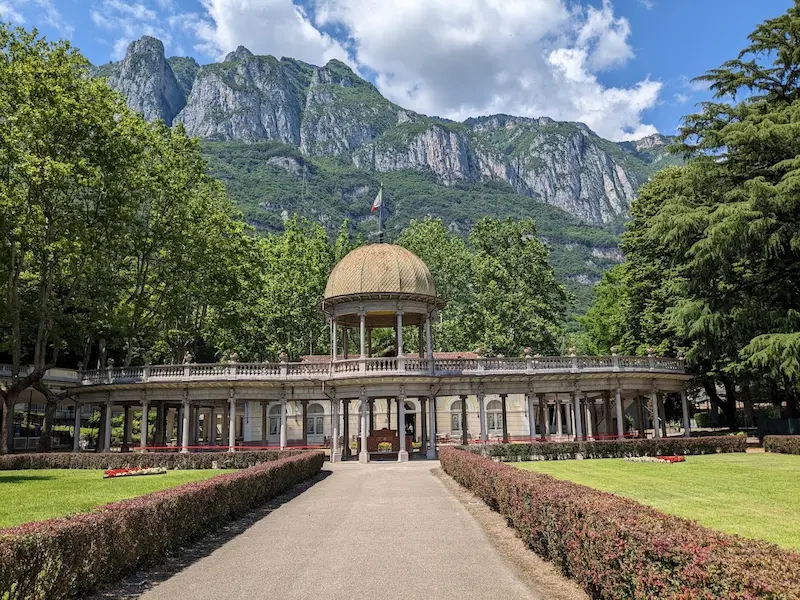
Terme Luigiane, Italy is the oldest thermal resort in Calabria, set in the wooded Valle di Bagni near Acquappesa, one kilometre from the Tyrrhenian coast. Known since Roman times, the first dated record is a 1446 letter by San Francesco di Paola. In 1850, Luigi Carlo di Bourbon gave the site his patronage, and the locality took his name.
The water is sulphurous salsobromoiodic hyperthermal with Italy's highest sulfhydrometric degree at 173 mg/l of sulphur. This concentration makes it effective for rheumatological, respiratory, dermatological, and gynaecological treatments. The facility holds Ministry of Health Super First Level (1° Super) accreditation. NHS-covered treatments include inhalation and fangobalneoterapia.
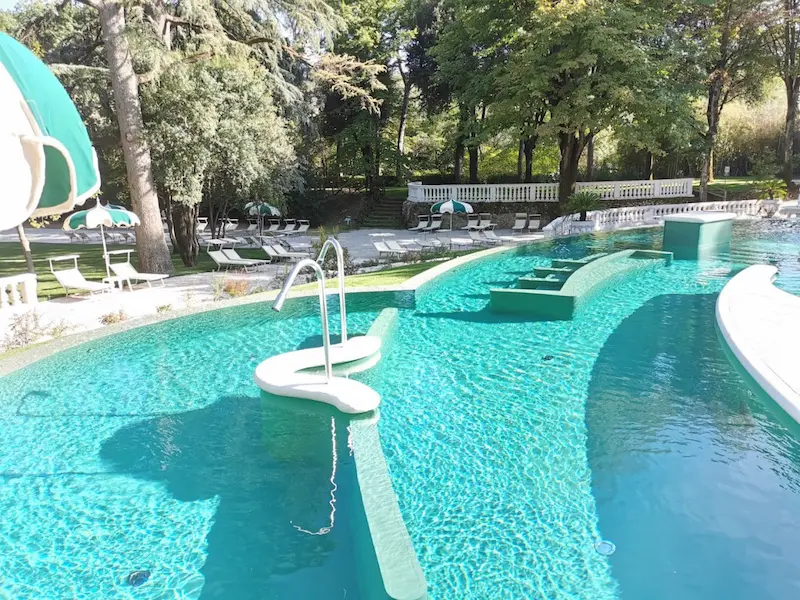
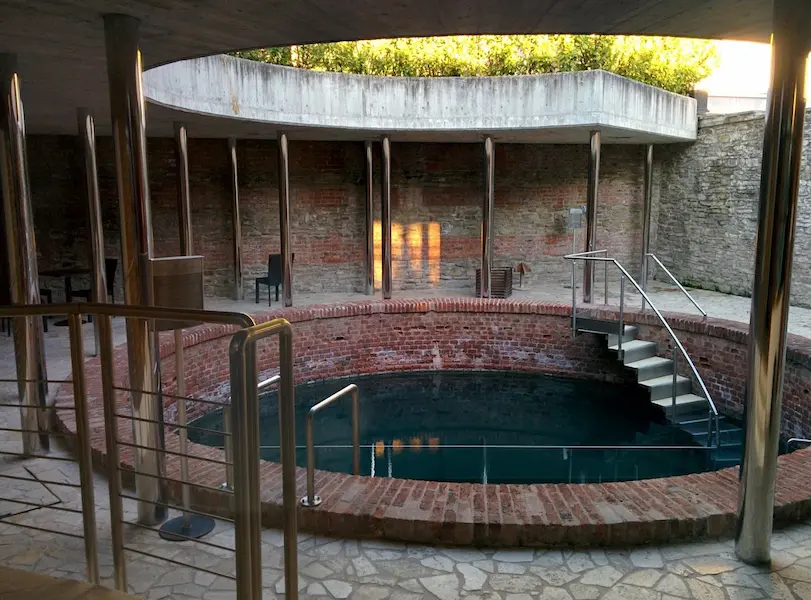
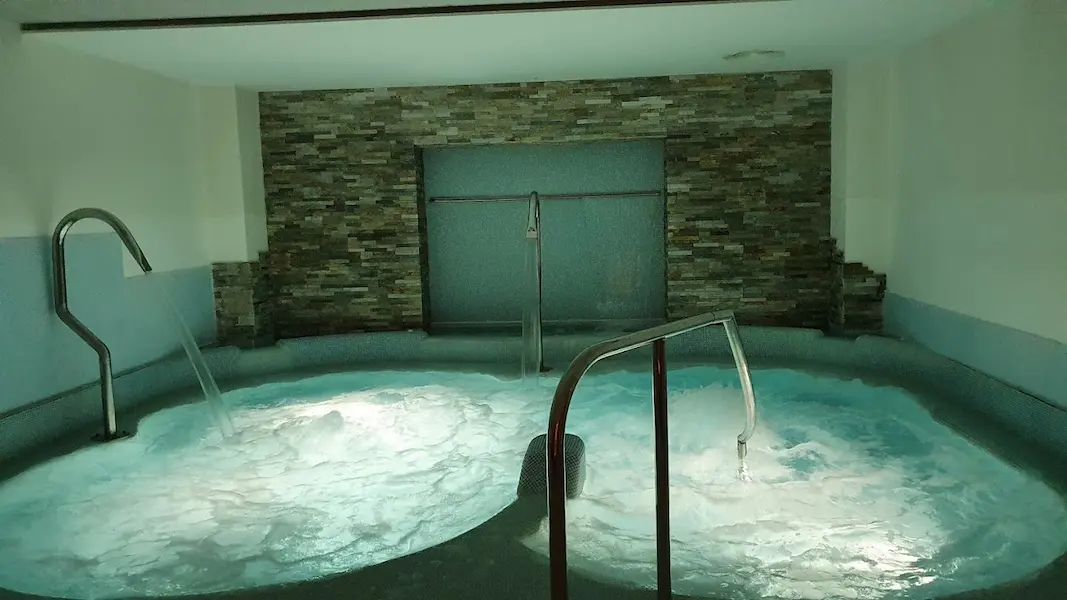
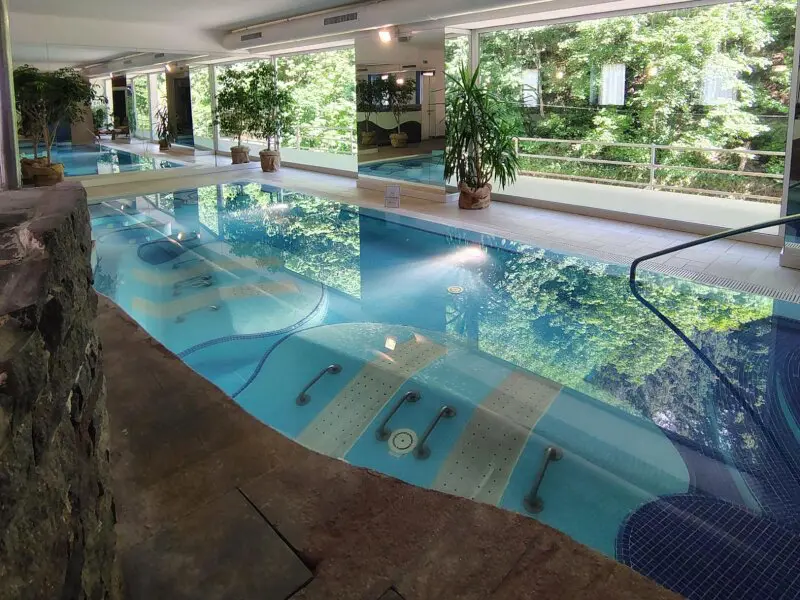
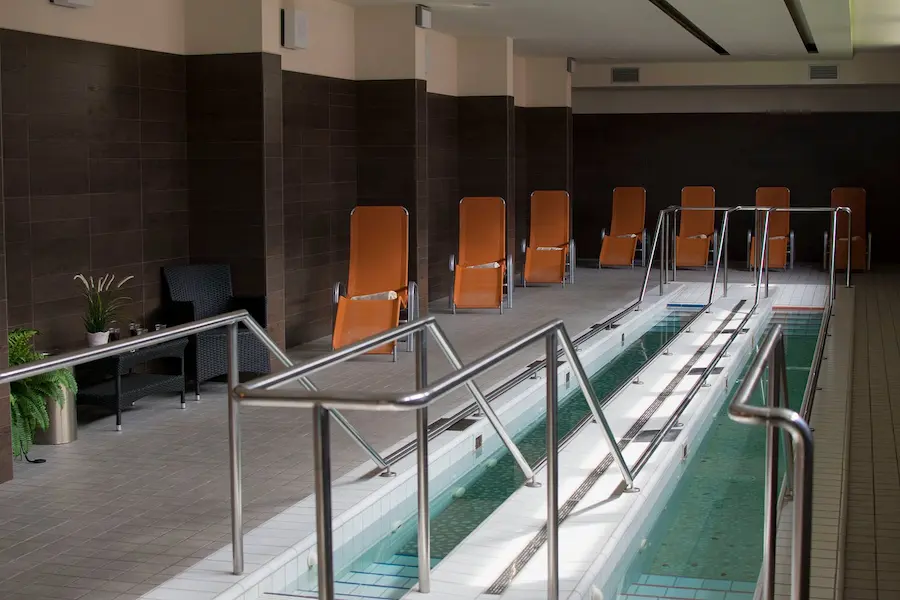
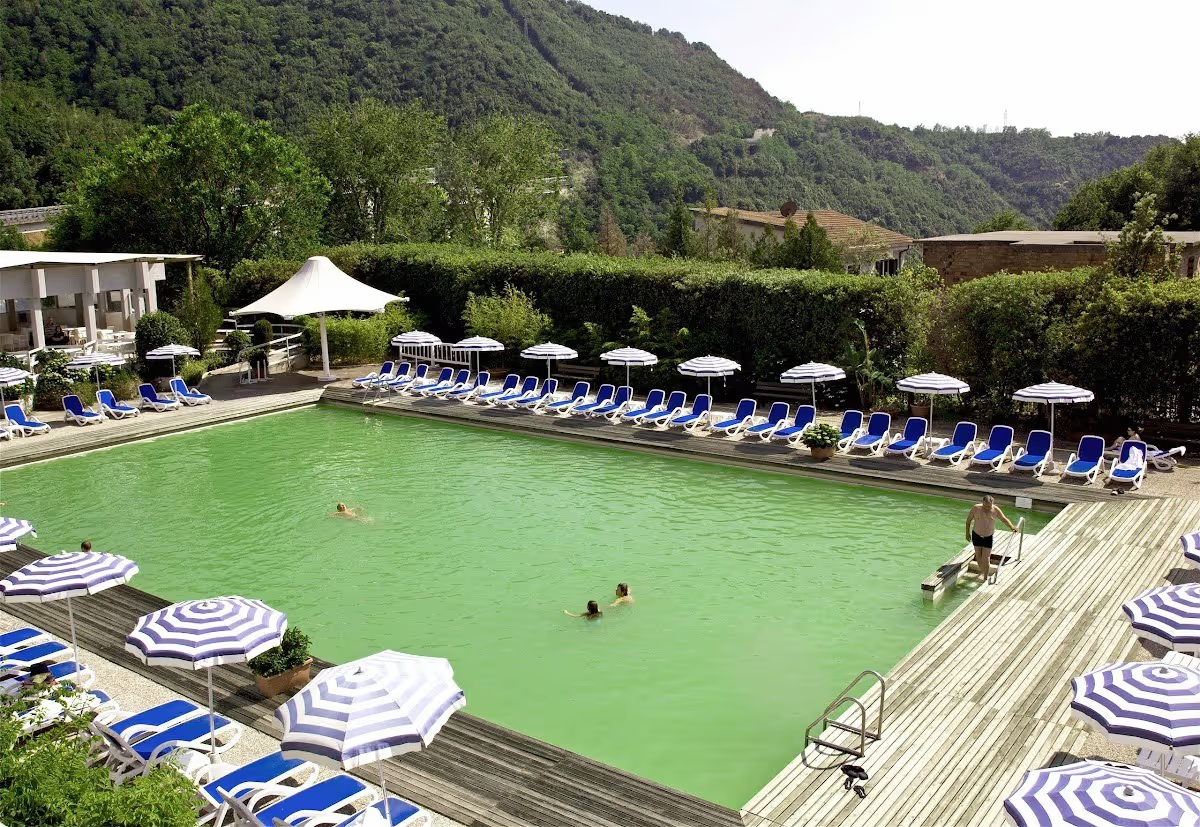
The Parco Termale Acquaviva has three sulphurous thermal pools plus a freshwater pool, hydromassage jets, turboshowers, and warm mud dispensers. The Thermae Novae treatment centre connects by an internal passage to the 4-star Grand Hotel delle Terme. In 2025 the spa was renovated with panoramic pools, sauna, and Turkish bath. The complex is seasonal, opening each spring.
Location & Access
Getting to Terme Luigiane
Terme Luigiane is located in the Localita Terme Luigiane near Acquappesa, between the towns of Acquappesa and Guardia Piemontese on the Calabrian Tyrrhenian coast. By car, take the A2 Salerno-Reggio Calabria motorway to the Tarsia Nord exit and follow signs for Terme Luigiane, a journey of approximately 50 minutes from the motorway. From Cosenza, the drive takes about 50 kilometres on the SP108 and coastal roads. The complex has a car park and is clearly signposted on approach.
The nearest railway station is Guardia Piemontese Terme, approximately 3 kilometres from the complex, on the Paola-Reggio Calabria coastal line. Paola, the main interchange station with trains from Rome and Naples, is 14 kilometres away. Lamezia Terme Internazionale airport is 84 kilometres from the resort. The Grand Hotel offers a free shuttle service to the beach at Acquappesa, 2.5 kilometres away, at scheduled times.
The surrounding area offers additional attractions: Guardia Piemontese is a village with medieval Occitan heritage; the Serra Nicolino Pian d'Albero State Nature Reserve is close by; and the Tyrrhenian coastline provides beaches within easy reach. For visitors seeking family hot springs near Cosenza and the northern Calabrian Tyrrhenian coast, Terme Luigiane is the principal thermal destination in the region.
Suitability & Accessibility
Who Terme Luigiane Suits
Terme Luigiane suits visitors seeking a comprehensive resort holiday combining medical and wellness thermal treatments with a beach, mountain scenery, and family facilities in one of southern Italy's most biodiverse coastal zones. The package format, with full board or half board at the Grand Hotel, makes it particularly suited to stays of five days or more to complete a full course of therapeutic treatments. Shorter wellness breaks using the spa and pool facilities are also possible.
Families are well accommodated: the resort introduced a dedicated Mini Club with animation for children from the 2025 season, and the complex has a children's playground on the hotel grounds. The beach shuttle enables families to combine morning thermal treatments with afternoon sea bathing. The Tyrrhenian beach at Acquappesa is a mix of sand and pebbles with clear water. Evening entertainment is provided at the hotel.
Wheelchair accessibility has not been confirmed for the complex. The Valle di Bagni setting and the multi-level pool and treatment facilities may present barriers for those with mobility limitations; visitors with specific needs should contact the Grand Hotel directly before booking. The NHS treatments at Thermae Novae are available for Italian citizens with a GP prescription and are not restricted by age or condition beyond the qualifying diagnoses.
Safety & Etiquette
Terme Luigiane Safety Tips
Terme Luigiane is a professionally managed resort with medical staff and qualified therapists on site during the seasonal opening period. The thermal water is hyperthermal and sulphurous, reaching high temperatures in the treatment circuit. The pools in the Parco Acquaviva are maintained at comfortable bathing temperatures; however, those with cardiovascular conditions, low blood pressure, respiratory sensitivity to sulphur, or skin conditions should consult the on-site medical team before using the pools or treatment facilities. Pregnant women should seek medical advice before any thermal treatment. The sulphur smell is strong and distinctive throughout the complex, which is a normal feature of this water type.
Swimwear is required in all pool areas. Shower before and after entering any pool. The mud treatments and balneotherapy sessions are conducted by trained staff; follow their guidance on session duration and skin preparation. Do not wear silver jewellery when entering sulphurous water, as it will discolour rapidly. Bring an old swimsuit as sulphur residue is difficult to remove from textiles.
The complex is seasonal; the 2025 season opened on 30 May and the 2026 season is expected to open in spring. Check the official website at termeluigiane.it for current opening dates, pricing, and treatment availability before booking. Advance reservation for therapeutic treatment packages and hotel rooms is strongly recommended, as the resort fills quickly during the summer season and at weekends.
Frequently Asked Questions
Terme Luigiane is the oldest and most prominent thermal resort in Calabria, near Acquappesa in the Province of Cosenza, one kilometre from the Tyrrhenian coast. Its sulphurous salsobromoiodic hyperthermal springs hold Italy's highest sulfhydrometric degree at 173 mg/l of sulphur. The complex holds Ministry of Health Super First Level accreditation and includes the Parco Termale Acquaviva with three thermal pools, the Thermae Novae treatment centre, and the 4-star Grand Hotel delle Terme. NHS-covered treatments are available with a doctor's prescription. The resort is seasonal, opening each spring.
2
How do I get to Terme Luigiane?
By car, take the A2 Salerno-Reggio Calabria motorway to the Tarsia Nord exit and follow signs for Terme Luigiane. From Cosenza, the drive takes approximately 50 kilometres. The nearest railway station is Guardia Piemontese Terme, 3 kilometres from the complex, on the Paola-Reggio Calabria coastal line. Paola, the main junction for trains from Rome and Naples, is 14 kilometres away. Lamezia Terme Internazionale airport is 84 kilometres from the resort. The Grand Hotel provides a free shuttle to the beach.
3
What makes the water at Terme Luigiane special?
The thermal water at Terme Luigiane is classified as sulphurous salsobromoiodic hyperthermal and contains 173 mg per litre of sulphur, the highest sulphur concentration of any thermal water in Italy. This exceptionally high level gives the water powerful anti-inflammatory, detoxifying, and mucolytic properties. It is particularly effective for rheumatological conditions including arthritis and osteoarthritis, for respiratory ailments such as bronchitis and sinusitis, and for dermatological conditions including psoriasis. The waters are also used for gynaecological therapeutic treatments.
4
Is Terme Luigiane good for families?
Yes. Terme Luigiane is well suited to families. From the 2025 season, the resort introduced a dedicated Mini Club with supervised children's animation. The hotel has a children's playground. The free shuttle service connects the resort to the Acquappesa beach, 2.5 kilometres away, where families can spend afternoons. The resort offers family room types, a restaurant with local cuisine, and evening entertainment. Children can access the thermal pools; the complex has pool lifeguards on duty.
5
What NHS treatments are available at Terme Luigiane?
Terme Luigiane is convenzionata with the National Health Service at Super First Level for inhalation treatments (inalatorie), fangobalneoterapia, and other listed therapeutic procedures. To access NHS-covered treatment, a prescription from an Italian GP is required specifying the treatment cycle and eligible condition as listed in the Ministerial Decree. Italian citizens pay only the standard ticket charge. Treatments cover respiratory conditions, rheumatic diseases, skin conditions, and gynaecological indications. Contact the facility at termeluigiane.it to arrange treatment bookings in advance of your stay.
Gallery
No pictures available for this hot spring.
Location
Address:
Localita Terme Luigiane snc, 87020 Acquappesa (CS), Calabria, Italy
Find a place to stay
Compare prices near this exact spot across Booking.com, Expedia and more.
See nearby stays →
39.55
15.96
Terme Luigiane, Italy
Text LinkLocalita Terme Luigiane snc, 87020 Acquappesa (CS), Calabria, Italy
More hot springs in Italy
Some accommodation links on this site are affiliate links. If you book through them, we may earn a small commission at no additional cost to you. This helps keep hotspringsguides.com free to use.