Terme di Scrajo, Italy
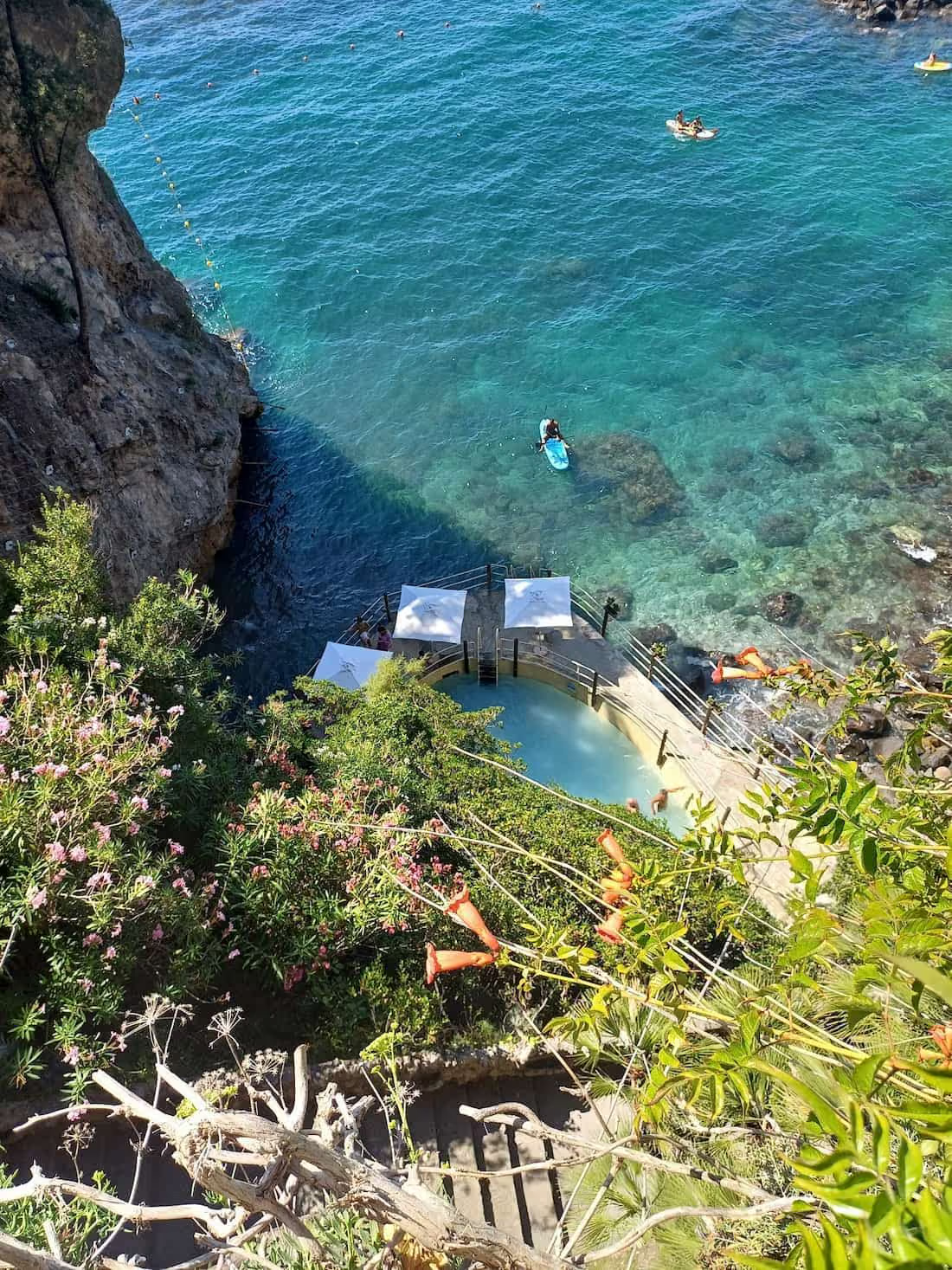
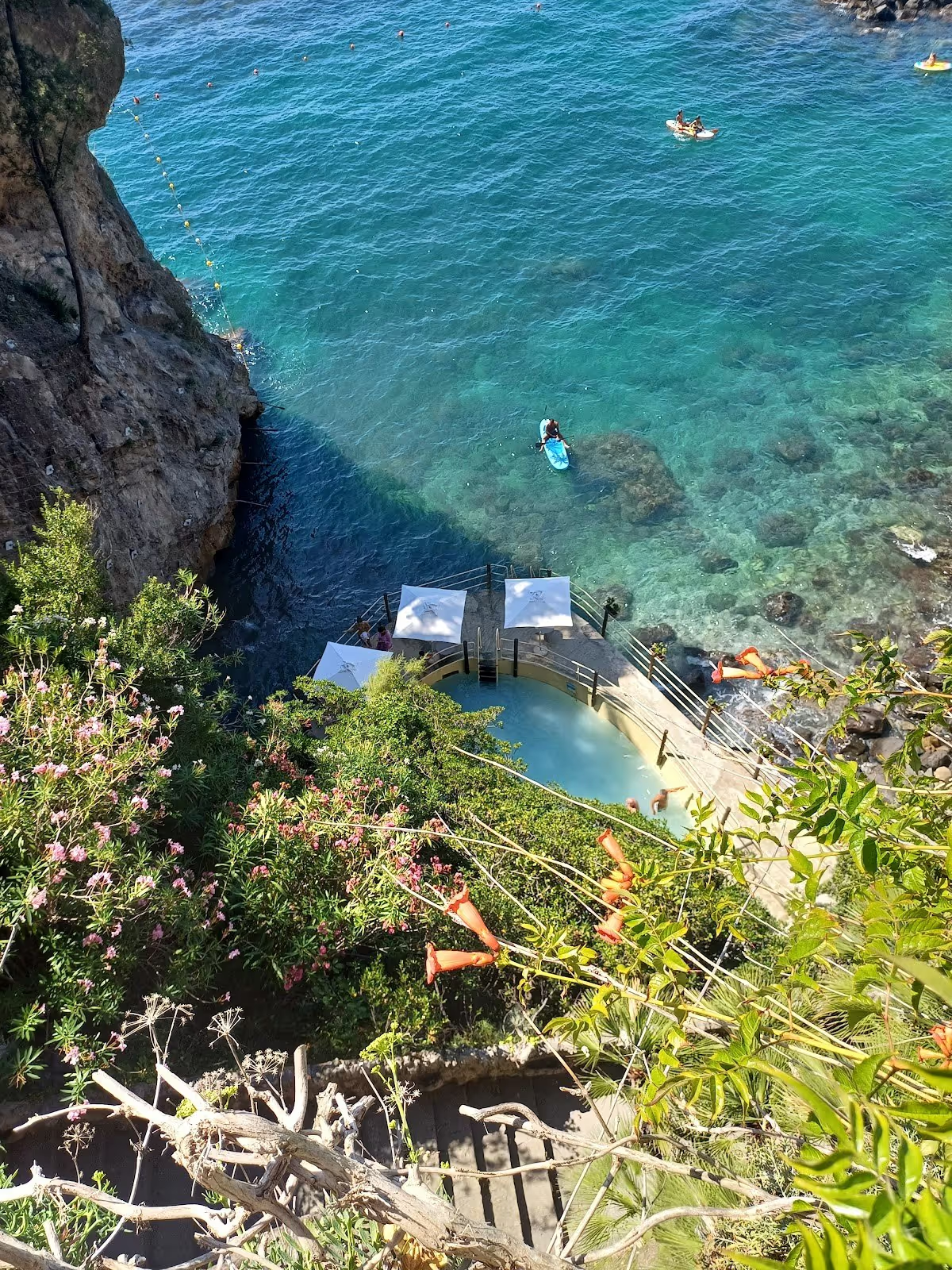
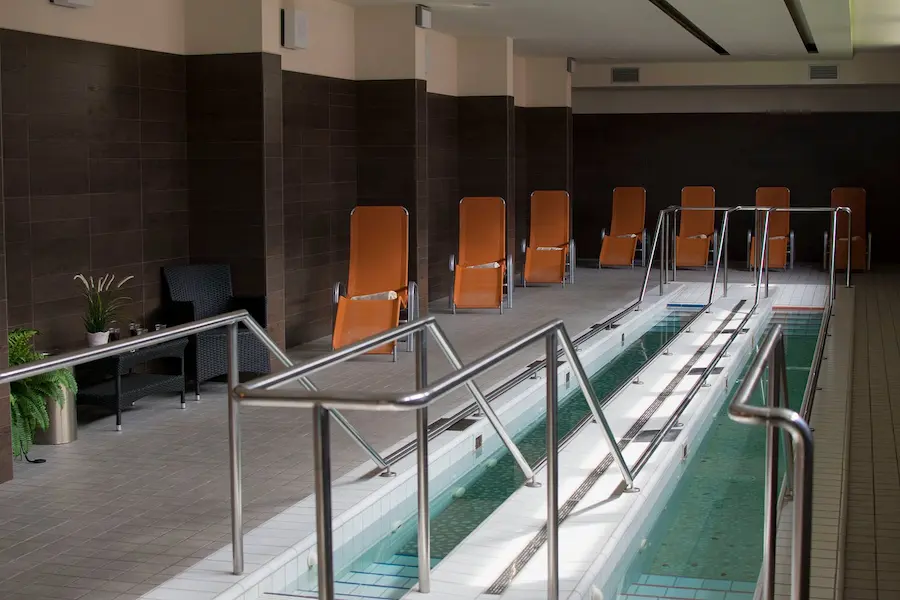
Historic cliffside thermal spa hotel on Sorrentine Peninsula with sulfurous springs flowing into sea, beach access, Michelin restaurant, Gulf views.
Via Luigi Serio SS145 10, 80069 Vico Equense (NA), Campania
Vico Equense
IT
40.655
14.435
Resorts & Spas
Paid
Easy to reach (no hike)
Generally safe
Swimsuit required
true
true
Europe
terme-di-scrajo-italy
What makes Terme di Scrajo unique compared to other Italian spas?
Terme di Scrajo's most distinctive feature is its unique natural phenomenon where sulfurous thermal spring water flows directly from limestone cave springs into the Gulf of Naples, creating an extraordinary therapeutic bathing opportunity at the private beach where visitors can swim in the natural mixture of mineral-rich thermal water and seawater that exists nowhere else. This convergence of thermal spring and sea creates a milky opalescent zone in the coastal waters with the therapeutic mineral composition of the thermal source (hypertonic salsobromoiodic sulfurous water rich in sulfur, bromine, iodine, and other minerals) naturally diluted and tempered by mixing with seawater, producing a unique bathing environment that is simultaneously marine and thermal. The visual effect is striking, with the milky thermal water creating distinctive patterns as it disperses into the clearer blue seawater, and the sensory experience combines the buoyancy and salt content of the sea with the mineral richness and sulfurous character of the thermal water. This natural phenomenon allows therapeutic mineral bathing in an open coastal setting rather than in constructed pools, providing both the health benefits associated with sulfurous mineral waters and the psychological and aesthetic pleasures of sea swimming. Beyond this remarkable natural feature, Scrajo's dramatic cliffside location overlooking the Gulf of Naples from terraced levels cascading down limestone cliffs creates an architectural and visual experience unmatched among Italian spas. The Liberty-style (Italian Art Nouveau) historic buildings and public spaces maintain old-fashioned spa charm while the modern thermal pools, treatment facilities, and guest rooms provide contemporary comfort. The intimate boutique scale (only 6 to 7 rooms) distinguishes Scrajo from large spa resort complexes, creating an exclusive atmosphere with personalized service. The Michelin-recognized restaurant La Caletta elevates the culinary experience beyond typical spa dining, with a renowned chef preparing sophisticated cuisine combining traditional and gourmet approaches in the elegant Art Nouveau dining hall with sea-view terrace. The location on the Sorrentine Peninsula places Scrajo at the geographic and cultural heart of one of the world's most celebrated destinations, allowing easy combination of thermal wellness with visits to Sorrento, Amalfi Coast, Pompeii, Capri, and Naples. Few Italian spas offer this convergence of dramatic natural setting, unique thermal-sea water phenomenon, historic architecture, gourmet dining, boutique luxury, and access to world-class cultural attractions.
Can I visit Terme di Scrajo as a day trip from Naples or Sorrento?
Yes, Terme di Scrajo is excellently positioned for day trips from either Naples or Sorrento, making it accessible for travelers staying in either city who want a spa day without requiring overnight accommodation. From Naples (approximately 35 kilometers, 45 minutes to 1 hour), take the A3 autostrada to Castellammare di Stabia exit, then follow the coastal SS145 road to Vico Equense. Alternatively, use the Circumvesuviana train from Naples (Garibaldi or other stations) toward Sorrento, disembark at Vico Equense station, and take the free shuttle or a short taxi to the spa. The Circumvesuviana journey takes approximately 45 to 60 minutes depending on which Naples station you board, making the total travel time competitive with driving and avoiding coastal road traffic and parking challenges. From Sorrento (approximately 10 kilometers, 15 to 20 minutes), drive east on the SS145 coastal road toward Vico Equense, or take the Circumvesuviana train one stop to Vico Equense station and use the shuttle or taxi. The short distance from Sorrento makes Scrajo particularly convenient for travelers based in that tourist hub. Day visitors can access the thermal pools, spa treatments, and beach facilities with treatment fees starting at 24 euros according to reports. A typical day trip itinerary might include arriving mid-morning, spending 3 to 5 hours enjoying the thermal pools, receiving spa treatments (massage, mud therapy, inhalation treatments can be booked in advance or upon arrival depending on availability), swimming in the unique thermal-seawater mixture at the private beach, and having lunch at the La Caletta restaurant (reservations recommended, especially in high season). The combination of thermal bathing, spa treatments, beach access, spectacular views, and gourmet dining makes a full spa day experience worthwhile. The facility's terraced layout provides multiple spaces for relaxation between activities, with sunbathing areas, shaded terraces, and the bar for refreshments. For travelers on multi-day trips to the Naples-Sorrento-Amalfi region, Scrajo can be combined with other activities: morning thermal spa session, afternoon visit to Pompeii (20 minutes away) or exploration of Vico Equense historic center and marina, or integration into a coastal drive itinerary. The free shuttle coordination with train schedules makes public transport convenient, though confirm shuttle times when planning. The intimate size means advance booking is advisable for treatments and definitely for restaurant dining during peak season (May through September, major holidays).
What is the history of the thermal spring discovery at Scrajo?
The thermal spring at Scrajo has likely been known locally for centuries or even millennia given its dramatic flow (80 liters per second) directly from cliff caves into the sea creating a visible and distinctive milky opalescent zone in the coastal waters accompanied by a strong sulfurous smell impossible to miss. However, the formal recognition of the therapeutic properties and development of the site as a thermal spa dates to the late 19th century and is credited to Dr. Scala, a surgeon who purchased the land where the thermal facility now stands. When Dr. Scala acquired the property, local tradition already held that the spring water was beneficial for treating skin ailments, and numerous people requested permission to collect the water for home use, indicating established folk knowledge of therapeutic effects. Dr. Scala, intrigued by this reputation and having observed some of the effects personally, decided to investigate systematically rather than dismissing the claims as superstition. He commissioned professional chemical analysis of the spring water, which confirmed it as hypertonic salsobromoiodic sulfurous thermal water containing significant concentrations of therapeutically valuable minerals including sulfur compounds, chlorides, bromides, and iodides. This scientific validation of the folk wisdom convinced Dr. Scala to develop the site commercially as a thermal spa. In 1897, he established the formal Terme di Scrajo facility, constructing the initial buildings, pools, and treatment facilities necessary for a functioning spa. The location was ideal: dramatic coastal setting with spectacular Gulf of Naples views, the abundant flow of therapeutic water eliminating supply concerns, natural beach access where the spring's flow into the sea created a unique bathing opportunity, and proximity to the increasingly fashionable Sorrentine Peninsula tourist destinations. The spa quickly gained popularity among both locals seeking therapeutic treatments and tourists visiting Sorrento and the surrounding area. The late 19th and early 20th century represented the golden age of European spa culture, when thermal bathing was both a medical treatment and a social activity for the upper and middle classes. Terme di Scrajo participated in this trend, attracting visitors seeking respiratory treatments (the inhalation of sulfurous vapors was considered highly effective for bronchial and sinus conditions), rheumatic relief (mineral baths for arthritis and joint pain), and dermatological treatments (sulfurous water for various skin diseases). The facility incorporated Liberty-style (Italian Art Nouveau) architectural elements fashionable in that era, creating elegant public spaces including the distinctive La Caletta restaurant hall. Throughout the 20th century, the facility maintained its reputation and underwent periodic renovations and modernizations to maintain standards and incorporate new wellness services and treatments, evolving from purely medical thermal treatment center to comprehensive wellness destination combining traditional therapeutic protocols with modern spa services.
What thermal treatments are available at Terme di Scrajo?
How does Terme di Scrajo compare to nearby thermal destinations like Ischia?
Terme di Scrajo and the thermal island of Ischia (located in the Bay of Naples approximately 25 to 30 kilometers from Scrajo) represent different scales and styles of thermal tourism, with Scrajo offering an intimate boutique spa resort experience while Ischia provides a full thermal island destination with numerous large spa parks and hotels. Ischia's volcanic origins create abundant geothermal activity with thermal springs and fumaroles across the island, supporting a comprehensive thermal tourism infrastructure including famous large thermal parks like Negombo and Poseidon (each featuring dozens of thermal pools at varying temperatures, extensive grounds, beach access, restaurants, and entertainment), numerous thermal spa hotels, and natural thermal beaches. The thermal waters on Ischia vary by location but generally feature high temperatures (many pools maintained at 35 to 40+ degrees Celsius) and volcanic mineral compositions distinct from Scrajo's hypertonic salsobromoiodic sulfurous waters. Scrajo's intimate scale (one facility with 6 to 7 rooms, single thermal swimming pool, private beach) contrasts dramatically with Ischia's island-wide thermal resort economy. This creates different experiences: Ischia offers variety (multiple thermal parks to choose from, different mineral compositions, large facilities with extensive amenities), vibrant resort atmosphere, and the appeal of island setting, while Scrajo provides exclusivity, personalized service, historic boutique ambience, and the unique phenomenon of thermal spring flowing directly into the sea. Accessibility differs significantly: Ischia requires ferry service from Naples, Pozzuoli, or Sorrento (ferry times range from 40 minutes to over 1 hour depending on port and ferry type, with additional time for port access and boarding), making it a more committed excursion typically requiring at least a full day or preferably overnight stay. Scrajo is directly road accessible from Naples (45 minutes) and Sorrento (15 minutes) and train accessible via Circumvesuviana to Vico Equense, making it feasible for shorter visits. The mainland location also allows easy combination with Sorrentine Peninsula and Amalfi Coast attractions, while Ischia visits are typically dedicated island days. Pricing reflects the different models: Ischia's large thermal parks charge entrance fees (typically 30 to 40 euros for full-day access) providing access to dozens of pools and extensive facilities, while Scrajo charges for specific treatments (starting at 24 euros) with more limited pool facilities but more intimate spa resort character. Scrajo's Michelin-recognized restaurant creates a gourmet dining experience exceeding typical Ischia thermal park restaurants. For visitors seeking large-scale thermal park experience with many pools, island setting, and variety, Ischia is superior. For visitors wanting boutique luxury, historic spa ambience, unique thermal-sea water phenomenon, gourmet dining, and easy integration with Amalfi Coast touring, Scrajo offers distinct advantages.

Terme di Scrajo, Italy

Historic cliffside thermal spa hotel on Sorrentine Peninsula with sulfurous springs flowing into sea, beach access, Michelin restaurant, Gulf views.
Quick Facts
Experience
Resorts & Spas
Access Level
Easy to reach (no hike)
Safety Level
Generally safe
What to Wear
Swimsuit required
Family Friendly
Yes
Entry Fee
Paid
Wheelchair Access
Yes
Address
Via Luigi Serio SS145 10, 80069 Vico Equense (NA), Campania

Overview

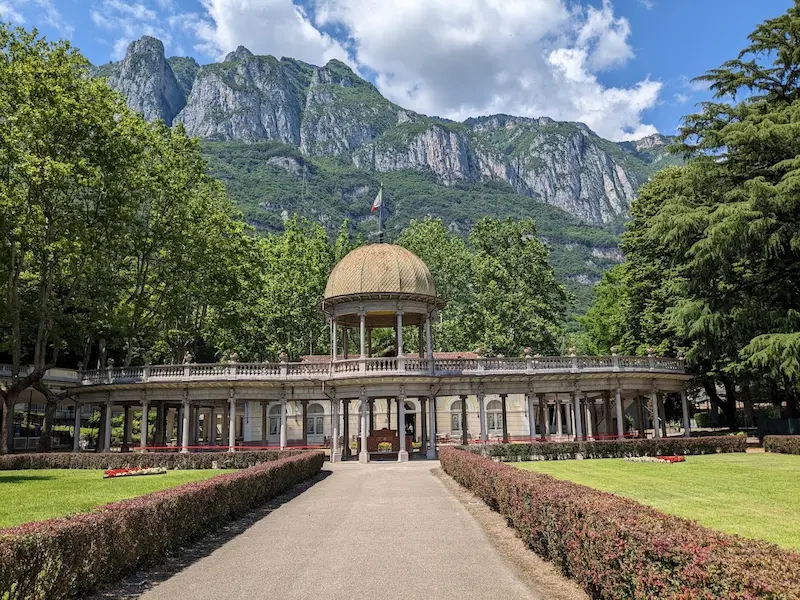
Terme di Scrajo occupies one of the most dramatically beautiful locations among Italian spa destinations, built directly into limestone cliffs that plunge into the Gulf of Naples on the Sorrentine Peninsula between Vico Equense and Sorrento. The geological setting is extraordinary: the Sorrentine Peninsula consists of a northeast-southwest elongated monocline of Mesozoic carbonate rocks (limestone and dolomite formations dating to the Triassic, Jurassic, and Cretaceous periods) dipping toward the northwest, creating the characteristic steep coastal cliffs. This carbonate geology hosts an extensive karst cave system formed by millennia of groundwater dissolution creating underground passages, chambers, and conduits. At Scrajo, one of the best-developed karst systems in the area manifests as a natural spring where sulfurous thermal water emerges from the limestone cave complex at a substantial flow rate of approximately 80 liters per second with a temperature of approximately 18 degrees Celsius. The water's journey through the limestone dissolves minerals creating the therapeutic composition while the sulfur content originates from deeper geological sources related to the region's volcanic and geothermal activity (the nearby Campi Flegrei and Mount Vesuvius volcanic systems). The spring water has a distinctive milky opalescent appearance and saturates the surrounding air with a strong pungent sulfurous smell (described as resembling rotten eggs, characteristic of hydrogen sulfide gas). Inside the cave where the spring emerges, the sulfate content of the water creates unique conditions where gypsum crystals form on the cave walls, either directly attached to the limestone substrate or on gypsum crusts up to 1 centimeter thick, providing mineralogical interest. The thermal facility was developed in the late 19th century (established 1897) when Dr. Scala, a surgeon who acquired the property, investigated the therapeutic potential of these springs after observing that local tradition held the water useful for treating skin conditions and after fielding numerous requests from people wanting to obtain the water. Dr. Scala commissioned chemical analysis of the spring water, confirming it as hypertonic salsobromoiodic sulfurous thermal water with valuable therapeutic mineral composition. He then developed the site into a formal thermal spa, constructing buildings, pools, and treatment facilities. The facility quickly became popular on the Sorrentine Coast as a destination for natural healing, maintaining its reputation through the 20th century despite the typical challenges of Italian spa facilities (periodic modernization needs, changing health tourism trends). Today, Terme di Scrajo represents a blend of historic spa culture (maintaining Liberty-style Art Nouveau architectural elements and old-fashioned ambience) with modern wellness services.

Location & Access

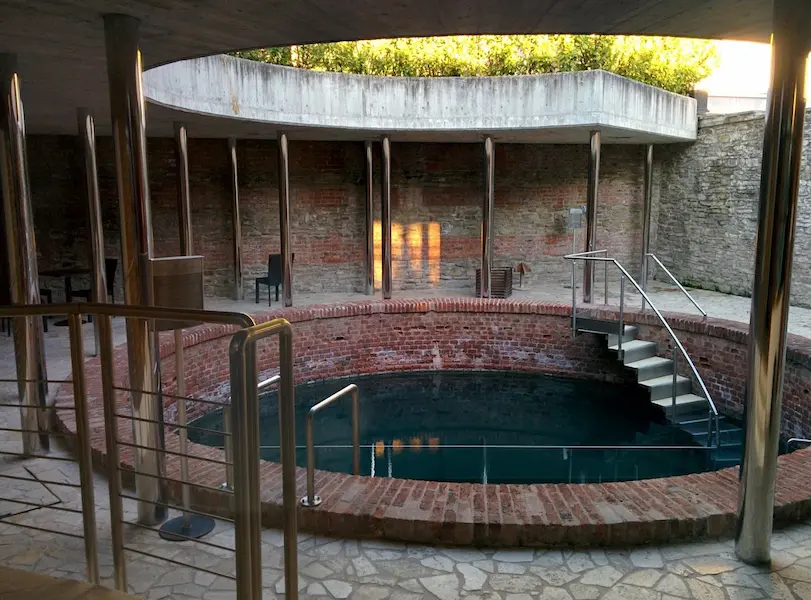
From Sorrento (approximately 10 kilometers east, 15 to 20 minutes), follow the SS145 Sorrentina coastal road heading east toward Vico Equense. Terme di Scrajo is located a short distance before reaching Vico Equense town center on the seaward (left) side of the road at Via Luigi Serio SS145 10. From Naples (approximately 35 kilometers, 45 minutes to 1 hour depending on traffic), take the A3 autostrada south toward Salerno, exit at Castellammare di Stabia, and follow signs for Vico Equense along the coastal SS145 road. Terme di Scrajo is well-signposted from the main coastal highway. From the Amalfi Coast (Positano, Amalfi), travel north along coastal roads to Sorrento, then continue east on SS145 toward Vico Equense as described above. For public transport, the Circumvesuviana train line connects Naples to Sorrento with frequent service, passing through stations including Vico Equense. The most convenient station is Vico Equense Circumvesuviana station, from which Terme di Scrajo is reachable by short taxi ride (approximately 5 to 10 minutes) or by walking (approximately 15 to 20 minutes along the coastal road, though this involves roadside walking without dedicated pedestrian paths). The facility offers free shuttle service to and from Vico Equense train station coordinated with train arrivals and departures. For guests staying overnight at the hotel, this shuttle service provides convenient access for travelers arriving by train from Naples or Sorrento. The location on the SS145 coastal road between Vico Equense and Sorrento places Terme di Scrajo at the heart of one of Italy's most celebrated tourist regions. The facility is positioned for easy day trips to Pompeii archaeological site (approximately 20 kilometers, 30 minutes), Herculaneum ruins (approximately 25 kilometers, 35 minutes), Naples historic center and museums (approximately 35 kilometers, 1 hour), Positano on the Amalfi Coast (approximately 30 kilometers, though this involves winding coastal roads requiring 45 to 60 minutes), Ravello and Amalfi (approximately 45 to 60 kilometers, 1 to 1.5 hours via winding roads), and ferry connections to Capri island from Sorrento or Vico Equense. This strategic position makes Terme di Scrajo an excellent base for visitors wanting to combine thermal spa wellness with exploration of the region's world-class archaeological, cultural, and natural attractions. The facility's terraced layout cascading down the cliffside means multiple levels connected by paths and stairs, with the upper levels housing the hotel rooms, restaurant, and main spa facilities, mid-levels containing thermal pools and treatment areas, and the lowest level providing beach access where the sulfurous spring flows into the sea.

Suitability & Accessibility

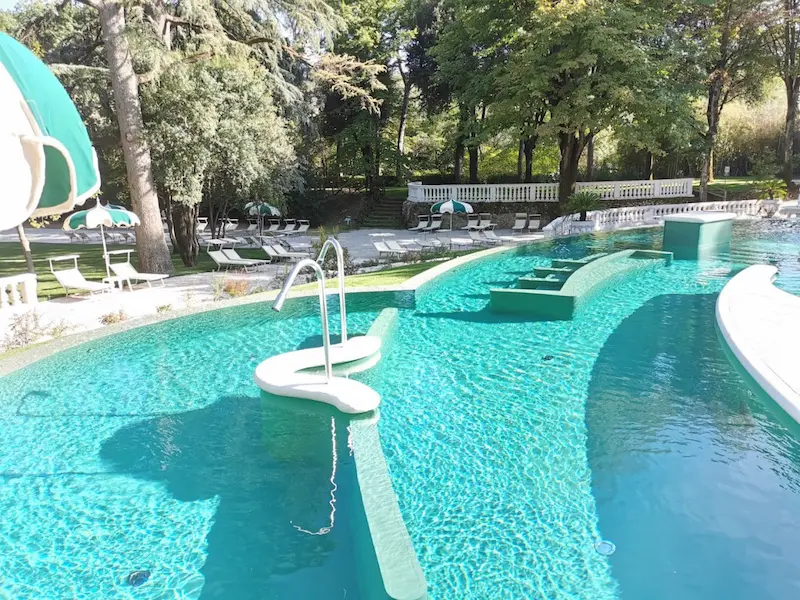
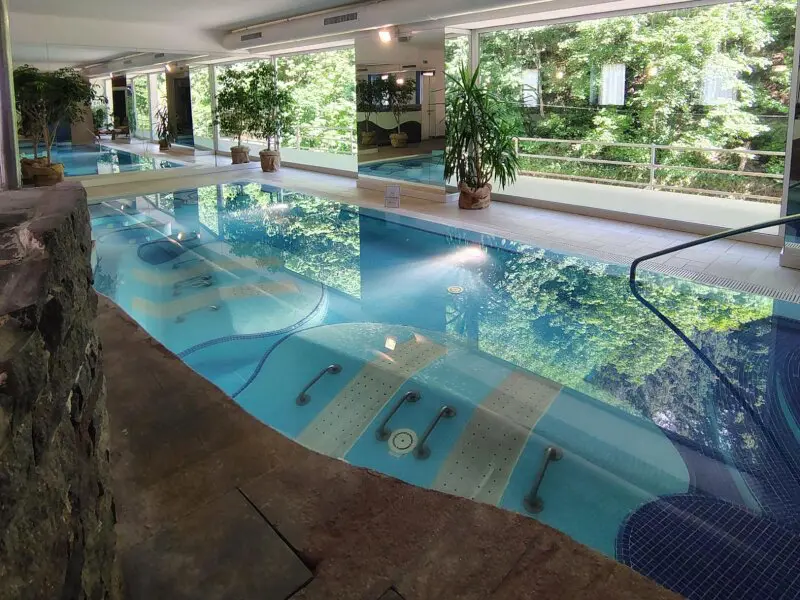
Terme di Scrajo serves diverse visitors including wellness tourists seeking therapeutic thermal treatments, couples seeking romantic coastal getaways in a spectacular setting, travelers exploring the Sorrentine Peninsula and Amalfi Coast who want to add spa relaxation to their itinerary, and medical patients with respiratory, rheumatological, or dermatological conditions seeking prescribed thermal treatments recognized by Italian health authorities. The facility's agreement with ASL (Italian National Health Service) means Italian residents with appropriate medical referrals can receive covered or subsidized treatments, bringing a medical patient population alongside leisure spa visitors. The 4-star hotel classification and Michelin-recognized restaurant attract upscale travelers seeking refined hospitality and gourmet dining combined with thermal wellness. The facility is family-friendly with children welcome, though the dramatic cliffside setting with multiple terraced levels connected by stairs and paths requires parental supervision and awareness that young children could find the terrain challenging. The spectacular but steep location means this is best suited for families with older children rather than toddlers. The unique feature of swimming in the natural mixture of thermal spring water and seawater at the private beach creates a gentle introduction to thermal bathing suitable for all ages, as the dilution with seawater moderates the sulfurous intensity. The thermal swimming pool with Gulf of Naples views provides more conventional spa pool experience. The facility reports wheelchair accessibility, though the multi-level terraced layout cascading down the cliff may present navigation challenges, and prospective visitors with mobility limitations should contact the facility in advance to confirm accessibility of specific areas. The intimate size (only 6 to 7 guest rooms) creates an exclusive boutique hotel atmosphere rather than a large resort environment, appealing to visitors seeking personalized service and a more private spa experience. The combination of serious therapeutic treatments (inhalation therapy, mud applications, prescribed protocols) with luxury leisure amenities (Michelin restaurant, elegant Liberty-style spaces, spectacular views) makes this suitable both for medical patients following treatment regimens and for wellness tourists seeking pampering. Day visitors can access spa treatments and facilities without requiring overnight accommodation (treatment fees starting at 24 euros according to visitor reports), making this accessible for travelers staying elsewhere on the Sorrentine Peninsula or Amalfi Coast who want a spa day. The dramatic location, historic ambience, and unique feature of thermal water flowing into the sea create a memorable experience particularly appealing to visitors who appreciate the convergence of natural beauty, therapeutic wellness, and cultural heritage.

Safety & Etiquette

Terme di Scrajo Safety Tips

The thermal waters at Scrajo emerge naturally at approximately 18 degrees Celsius, creating pleasantly warm rather than intensely hot bathing conditions that are generally comfortable and safe for most visitors without the extreme heat concerns associated with higher-temperature thermal springs. However, the unique coastal cliff location and specific characteristics of the facility require awareness. The multi-level terraced layout cascading down the cliff involves stairs and sloped paths connecting different areas, so wear appropriate footwear with good grip, move carefully on potentially wet or uneven surfaces, and supervise children constantly to prevent falls from elevated areas. The dramatic cliffside setting provides spectacular views but also requires awareness that railings and edges exist along the terraces. The strong sulfurous smell (hydrogen sulfide) from the thermal waters is characteristic and normal but may cause nausea or discomfort in individuals sensitive to strong odors, requiring time to acclimatize. Pregnant women and individuals with cardiovascular conditions should consult physicians before using thermal waters or receiving thermal treatments, though the moderate temperature of Scrajo's waters creates less physiological stress than hotter thermal springs. The hypertonic salsobromoiodic composition means the water is mineral-rich and may cause temporary skin effects in sensitive individuals, though adverse reactions are uncommon with these mineral types. The unique opportunity to swim in the natural mixture of thermal spring water and seawater at the private beach creates generally safe bathing conditions, but visitors should be aware that the sulfurous spring water creates a zone of milky opalescent water mixing with clearer seawater, potentially affecting underwater visibility and creating a distinctive sensation. The beach area where thermal water flows into the sea involves entering and exiting over rocks or irregular beach surfaces, so move carefully to avoid slips. Standard beach safety applies including awareness of currents, depth, and weather conditions. The inhalation and aerosol treatments for respiratory conditions delivered in the treatment center require following professional protocols, and these should be undertaken with medical consultation to ensure appropriateness for specific respiratory conditions. Thermal mud applications should be performed by trained staff at prescribed temperatures and durations. The intimate boutique size of the facility means limited pool capacity, so during peak periods (summer weekends, holiday periods), pools may be crowded. Advance booking is recommended for treatments and dining to ensure availability. The Liberty-style (Art Nouveau) historic architecture creates charming ambience but may involve older building features (steeper stairs, narrower passages) compared to modern facilities, so move attentively through interior spaces. The restaurant La Caletta, while Michelin-recognized for quality, requires advance reservations during peak season. The location on the busy SS145 coastal road means road noise is present, though the dramatic sea views and spa ambience offset this. For overnight guests, the small number of rooms (6 to 7) ensures an intimate experience but also means booking well in advance is essential during high season (summer, September, major Italian holidays). The free shuttle to Vico Equense train station is coordinated with train schedules, so confirm timing when planning arrivals and departures. The surrounding Sorrentine Peninsula coastal roads are scenic but narrow and winding with intense summer traffic, so allow extra time when driving and consider taking the shuttle or taxi rather than attempting to navigate unfamiliar roads.

Frequently Asked Questions

1
What makes Terme di Scrajo unique compared to other Italian spas?
Terme di Scrajo's most distinctive feature is its unique natural phenomenon where sulfurous thermal spring water flows directly from limestone cave springs into the Gulf of Naples, creating an extraordinary therapeutic bathing opportunity at the private beach where visitors can swim in the natural mixture of mineral-rich thermal water and seawater that exists nowhere else. This convergence of thermal spring and sea creates a milky opalescent zone in the coastal waters with the therapeutic mineral composition of the thermal source (hypertonic salsobromoiodic sulfurous water rich in sulfur, bromine, iodine, and other minerals) naturally diluted and tempered by mixing with seawater, producing a unique bathing environment that is simultaneously marine and thermal. The visual effect is striking, with the milky thermal water creating distinctive patterns as it disperses into the clearer blue seawater, and the sensory experience combines the buoyancy and salt content of the sea with the mineral richness and sulfurous character of the thermal water. This natural phenomenon allows therapeutic mineral bathing in an open coastal setting rather than in constructed pools, providing both the health benefits associated with sulfurous mineral waters and the psychological and aesthetic pleasures of sea swimming. Beyond this remarkable natural feature, Scrajo's dramatic cliffside location overlooking the Gulf of Naples from terraced levels cascading down limestone cliffs creates an architectural and visual experience unmatched among Italian spas. The Liberty-style (Italian Art Nouveau) historic buildings and public spaces maintain old-fashioned spa charm while the modern thermal pools, treatment facilities, and guest rooms provide contemporary comfort. The intimate boutique scale (only 6 to 7 rooms) distinguishes Scrajo from large spa resort complexes, creating an exclusive atmosphere with personalized service. The Michelin-recognized restaurant La Caletta elevates the culinary experience beyond typical spa dining, with a renowned chef preparing sophisticated cuisine combining traditional and gourmet approaches in the elegant Art Nouveau dining hall with sea-view terrace. The location on the Sorrentine Peninsula places Scrajo at the geographic and cultural heart of one of the world's most celebrated destinations, allowing easy combination of thermal wellness with visits to Sorrento, Amalfi Coast, Pompeii, Capri, and Naples. Few Italian spas offer this convergence of dramatic natural setting, unique thermal-sea water phenomenon, historic architecture, gourmet dining, boutique luxury, and access to world-class cultural attractions.
2
Can I visit Terme di Scrajo as a day trip from Naples or Sorrento?
Yes, Terme di Scrajo is excellently positioned for day trips from either Naples or Sorrento, making it accessible for travelers staying in either city who want a spa day without requiring overnight accommodation. From Naples (approximately 35 kilometers, 45 minutes to 1 hour), take the A3 autostrada to Castellammare di Stabia exit, then follow the coastal SS145 road to Vico Equense. Alternatively, use the Circumvesuviana train from Naples (Garibaldi or other stations) toward Sorrento, disembark at Vico Equense station, and take the free shuttle or a short taxi to the spa. The Circumvesuviana journey takes approximately 45 to 60 minutes depending on which Naples station you board, making the total travel time competitive with driving and avoiding coastal road traffic and parking challenges. From Sorrento (approximately 10 kilometers, 15 to 20 minutes), drive east on the SS145 coastal road toward Vico Equense, or take the Circumvesuviana train one stop to Vico Equense station and use the shuttle or taxi. The short distance from Sorrento makes Scrajo particularly convenient for travelers based in that tourist hub. Day visitors can access the thermal pools, spa treatments, and beach facilities with treatment fees starting at 24 euros according to reports. A typical day trip itinerary might include arriving mid-morning, spending 3 to 5 hours enjoying the thermal pools, receiving spa treatments (massage, mud therapy, inhalation treatments can be booked in advance or upon arrival depending on availability), swimming in the unique thermal-seawater mixture at the private beach, and having lunch at the La Caletta restaurant (reservations recommended, especially in high season). The combination of thermal bathing, spa treatments, beach access, spectacular views, and gourmet dining makes a full spa day experience worthwhile. The facility's terraced layout provides multiple spaces for relaxation between activities, with sunbathing areas, shaded terraces, and the bar for refreshments. For travelers on multi-day trips to the Naples-Sorrento-Amalfi region, Scrajo can be combined with other activities: morning thermal spa session, afternoon visit to Pompeii (20 minutes away) or exploration of Vico Equense historic center and marina, or integration into a coastal drive itinerary. The free shuttle coordination with train schedules makes public transport convenient, though confirm shuttle times when planning. The intimate size means advance booking is advisable for treatments and definitely for restaurant dining during peak season (May through September, major holidays).
3
What is the history of the thermal spring discovery at Scrajo?
The thermal spring at Scrajo has likely been known locally for centuries or even millennia given its dramatic flow (80 liters per second) directly from cliff caves into the sea creating a visible and distinctive milky opalescent zone in the coastal waters accompanied by a strong sulfurous smell impossible to miss. However, the formal recognition of the therapeutic properties and development of the site as a thermal spa dates to the late 19th century and is credited to Dr. Scala, a surgeon who purchased the land where the thermal facility now stands. When Dr. Scala acquired the property, local tradition already held that the spring water was beneficial for treating skin ailments, and numerous people requested permission to collect the water for home use, indicating established folk knowledge of therapeutic effects. Dr. Scala, intrigued by this reputation and having observed some of the effects personally, decided to investigate systematically rather than dismissing the claims as superstition. He commissioned professional chemical analysis of the spring water, which confirmed it as hypertonic salsobromoiodic sulfurous thermal water containing significant concentrations of therapeutically valuable minerals including sulfur compounds, chlorides, bromides, and iodides. This scientific validation of the folk wisdom convinced Dr. Scala to develop the site commercially as a thermal spa. In 1897, he established the formal Terme di Scrajo facility, constructing the initial buildings, pools, and treatment facilities necessary for a functioning spa. The location was ideal: dramatic coastal setting with spectacular Gulf of Naples views, the abundant flow of therapeutic water eliminating supply concerns, natural beach access where the spring's flow into the sea created a unique bathing opportunity, and proximity to the increasingly fashionable Sorrentine Peninsula tourist destinations. The spa quickly gained popularity among both locals seeking therapeutic treatments and tourists visiting Sorrento and the surrounding area. The late 19th and early 20th century represented the golden age of European spa culture, when thermal bathing was both a medical treatment and a social activity for the upper and middle classes. Terme di Scrajo participated in this trend, attracting visitors seeking respiratory treatments (the inhalation of sulfurous vapors was considered highly effective for bronchial and sinus conditions), rheumatic relief (mineral baths for arthritis and joint pain), and dermatological treatments (sulfurous water for various skin diseases). The facility incorporated Liberty-style (Italian Art Nouveau) architectural elements fashionable in that era, creating elegant public spaces including the distinctive La Caletta restaurant hall. Throughout the 20th century, the facility maintained its reputation and underwent periodic renovations and modernizations to maintain standards and incorporate new wellness services and treatments, evolving from purely medical thermal treatment center to comprehensive wellness destination combining traditional therapeutic protocols with modern spa services.
4
What thermal treatments are available at Terme di Scrajo?
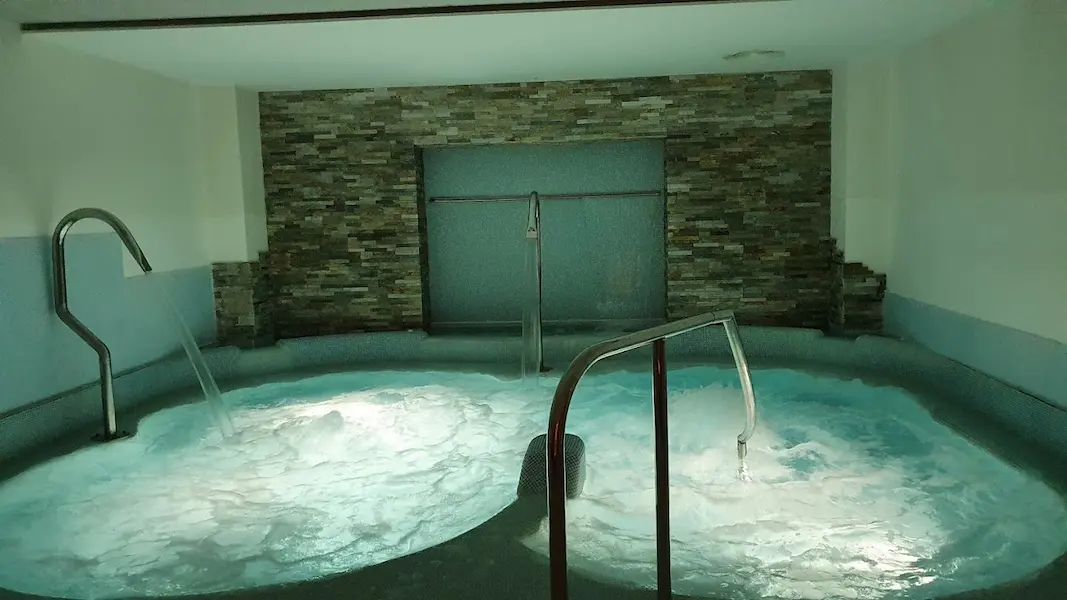
Terme di Scrajo offers comprehensive thermal treatment programs based on the hypertonic salsobromoiodic sulfurous properties of the spring water, addressing multiple therapeutic categories recognized by Italian health authorities. Respiratory treatments form a core focus given the sulfurous nature of the waters and their proven efficacy for respiratory conditions. Inhalation therapy delivers thermal water vapors saturated with sulfur compounds, minerals, and medicinal elements directly to the respiratory passages through specialized equipment, treating chronic bronchitis, sinusitis, rhinitis, laryngitis, pharyngitis, and providing symptomatic relief for asthma patients. Aerosol therapy uses fine mist generated from the thermal water for deeper penetration into bronchial passages and even into paranasal sinuses (endo-sinusal aerosol) for treating chronic sinus infections. The sulfur compounds have mucolytic properties (thinning and loosening mucus secretions making them easier to expel), antimicrobial effects reducing bacterial colonization, and anti-inflammatory action reducing airway inflammation. These treatments are typically prescribed in cycles of 12 to 24 sessions over 2 to 3 weeks for maximum therapeutic benefit. Balneotherapy involves immersion in thermal water pools for treating rheumatological and musculoskeletal conditions including arthritis, arthrosis, fibromyalgia, chronic back and neck pain, and post-traumatic rehabilitation. The mineral composition (sulfur, bromine, iodine, salts) provides anti-inflammatory effects, the warmth improves circulation and relaxes muscles, and the buoyancy reduces joint stress allowing gentle therapeutic movement. Thermal mud therapy (fangotherapy) uses matured thermal mud enriched with minerals from the thermal water applied to joints and affected areas at controlled temperatures (typically 38 to 42 degrees Celsius) for 15 to 20 minutes, followed by thermal water bathing. The mud provides concentrated mineral contact, sustained heat application, and absorption of therapeutic elements through the skin. This is particularly effective for osteoarthritis, rheumatoid arthritis, and chronic joint conditions. Dermatological treatments utilize the antiseptic and regenerative properties of the sulfurous water for psoriasis, eczema, dermatitis, acne, and skin regeneration, with both bathing protocols and specific topical applications. Gynecological thermal treatments (specialized protocols performed by medical staff) address chronic pelvic inflammation and certain fertility issues through thermal water applications and localized treatments. The wellness center offers massage therapy delivered by certified practitioners, with various techniques including therapeutic massage for muscle tension and pain, relaxation massage, and beauty-focused treatments. Additional spa services include body scrubs, beauty treatments, facial treatments, and comprehensive wellness packages combining multiple modalities. The facility has agreements with ASL (Italian National Health Service) allowing prescribed thermal treatment cycles for eligible patients with medical referrals, meaning the treatments are recognized for medical efficacy beyond wellness benefits. For day visitors and wellness tourists without medical prescriptions, treatments can be booked individually or as packages combining pool access, selected treatments, and sometimes dining.
5
How does Terme di Scrajo compare to nearby thermal destinations like Ischia?
Terme di Scrajo and the thermal island of Ischia (located in the Bay of Naples approximately 25 to 30 kilometers from Scrajo) represent different scales and styles of thermal tourism, with Scrajo offering an intimate boutique spa resort experience while Ischia provides a full thermal island destination with numerous large spa parks and hotels. Ischia's volcanic origins create abundant geothermal activity with thermal springs and fumaroles across the island, supporting a comprehensive thermal tourism infrastructure including famous large thermal parks like Negombo and Poseidon (each featuring dozens of thermal pools at varying temperatures, extensive grounds, beach access, restaurants, and entertainment), numerous thermal spa hotels, and natural thermal beaches. The thermal waters on Ischia vary by location but generally feature high temperatures (many pools maintained at 35 to 40+ degrees Celsius) and volcanic mineral compositions distinct from Scrajo's hypertonic salsobromoiodic sulfurous waters. Scrajo's intimate scale (one facility with 6 to 7 rooms, single thermal swimming pool, private beach) contrasts dramatically with Ischia's island-wide thermal resort economy. This creates different experiences: Ischia offers variety (multiple thermal parks to choose from, different mineral compositions, large facilities with extensive amenities), vibrant resort atmosphere, and the appeal of island setting, while Scrajo provides exclusivity, personalized service, historic boutique ambience, and the unique phenomenon of thermal spring flowing directly into the sea. Accessibility differs significantly: Ischia requires ferry service from Naples, Pozzuoli, or Sorrento (ferry times range from 40 minutes to over 1 hour depending on port and ferry type, with additional time for port access and boarding), making it a more committed excursion typically requiring at least a full day or preferably overnight stay. Scrajo is directly road accessible from Naples (45 minutes) and Sorrento (15 minutes) and train accessible via Circumvesuviana to Vico Equense, making it feasible for shorter visits. The mainland location also allows easy combination with Sorrentine Peninsula and Amalfi Coast attractions, while Ischia visits are typically dedicated island days. Pricing reflects the different models: Ischia's large thermal parks charge entrance fees (typically 30 to 40 euros for full-day access) providing access to dozens of pools and extensive facilities, while Scrajo charges for specific treatments (starting at 24 euros) with more limited pool facilities but more intimate spa resort character. Scrajo's Michelin-recognized restaurant creates a gourmet dining experience exceeding typical Ischia thermal park restaurants. For visitors seeking large-scale thermal park experience with many pools, island setting, and variety, Ischia is superior. For visitors wanting boutique luxury, historic spa ambience, unique thermal-sea water phenomenon, gourmet dining, and easy integration with Amalfi Coast touring, Scrajo offers distinct advantages.

Location

Address:
Via Luigi Serio SS145 10, 80069 Vico Equense (NA), Campania
Coordinates:
14.435
,
40.655
40.655
14.435
Terme di Scrajo, Italy
Text Link
Via Luigi Serio SS145 10, 80069 Vico Equense (NA), Campania

Other hot springs in

Italy