Terme Stufe di Nerone, Italy
Ancient Roman thermal park in the Phlegraean Fields with natural cave saunas, pools, thermal lakes, and mud. 30 EUR entry, open year-round near Naples.
Via Stufe di Nerone 37, 80070 Bacoli (NA), Campania, Italy
Naples
IT
40.837
14.069
Public Pools & Parks
Paid
Easy to reach (no hike)
Be mindful
Swimsuit required
true
false
Europe
terme-stufe-di-nerone-italy
What is Terme Stufe di Nerone?
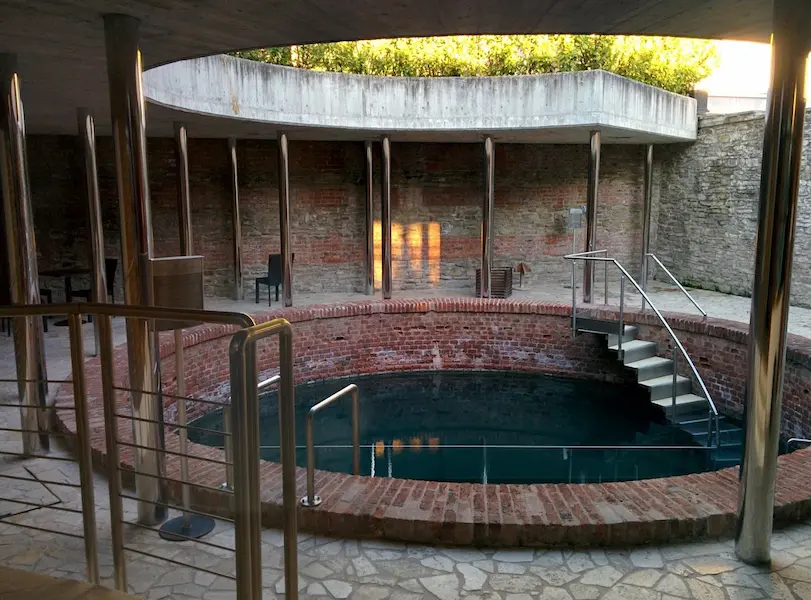
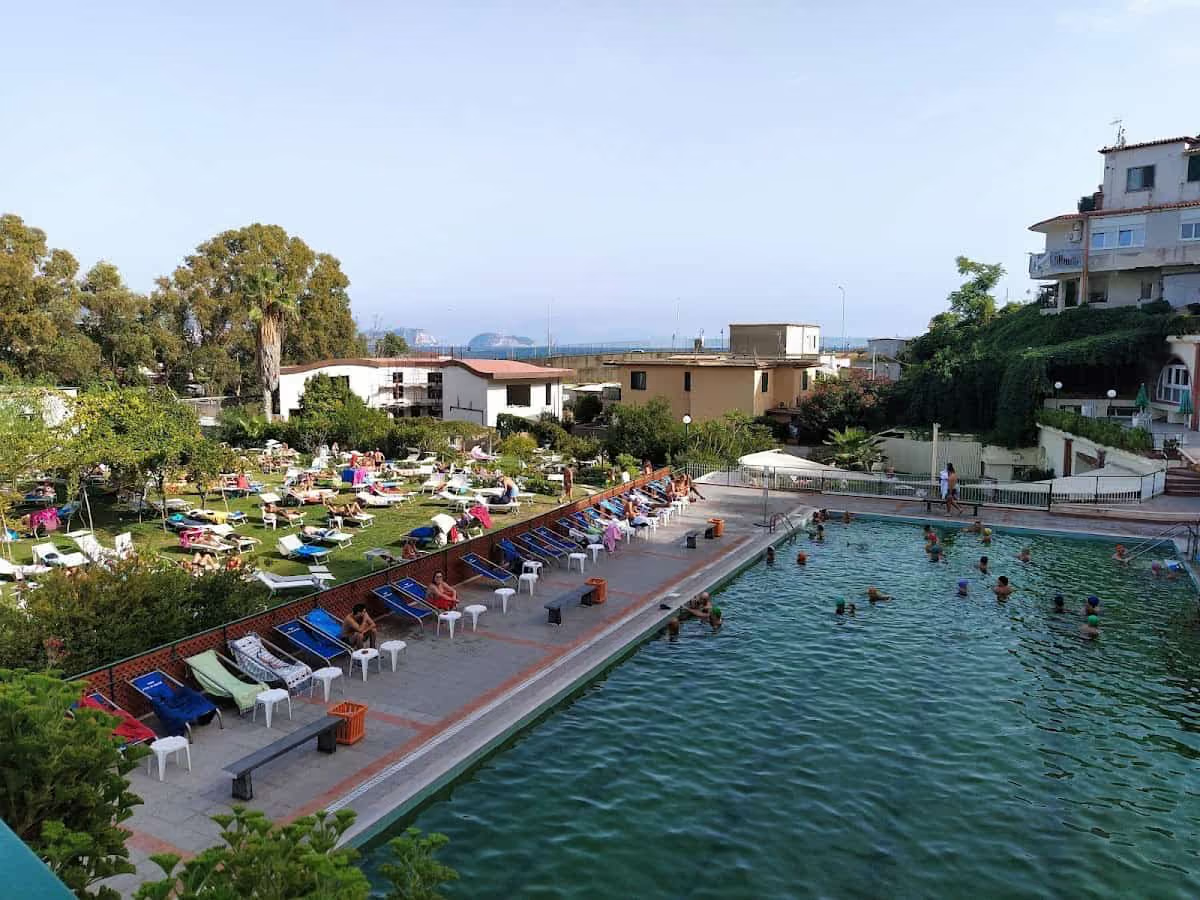
Terme Stufe di Nerone is a large volcanic thermal park near Lago Lucrino in the Phlegraean Fields, about 15 kilometres west of Naples. It sits on the site of ancient Roman baths used since at least the 2nd century BC and named Balneum Silvianae. The modern complex opened in 1973 and features natural cave saunas carved from volcanic rock at 52 to 55 degrees, two small thermal lakes fed by 20 natural springs, four indoor and outdoor pools, mud treatments, green clay, and a wellness centre. Entry is 30 euros, booked online; the park is open year-round.
What are the natural cave saunas at Stufe di Nerone?
The stufe are two natural caves carved directly from the volcanic rock of the Phlegraean Fields, with interior temperatures of 52 to 55 degrees Celsius. Thermal steam from the underground springs fills the caves naturally, creating an environment similar to a Turkish bath without any mechanical heating. They are used for antroterapia (cave therapy), which benefits respiratory and skin conditions, and for general relaxation. Most visitors move between the cave and the cooler pools in cycles. The caves are the defining feature that gives the complex its name and its historical identity.
How do I book entry to Stufe di Nerone?
Single-visit entry at 30 euros per person is available exclusively via online booking at termestufedinerone.it. Walk-in visitors without a pre-booked ticket can only enter by purchasing an on-site subscription of at least six visits at 120 euros total. Online booking is strongly recommended, especially at weekends and in summer, as the park can reach capacity. A swim cap is mandatory and can be bought on site for 2 euros. Robes and towels can be rented but are not included in the entry price.
Is Stufe di Nerone open in winter?
Yes. The park is open year-round, including winter months. From September to May (excluding public holidays), opening hours vary by day: the park is open from 8:00 to 21:00 on Monday, Wednesday, and Saturday; from 8:00 to 23:00 on Tuesday, Thursday, and Friday; and from 8:00 to 18:00 on Sunday and public holidays. From June to August the park is open 8:00 to 20:00 daily. The indoor thermal pools, cave saunas, and heated outdoor pools operate throughout winter, making it a viable destination in any season. The park is closed on 1 January, Easter Sunday, Easter Monday, and 25 to 26 December.
Is Stufe di Nerone historically connected to Roman times?
2026-09-21
Updated September 21, 2026
Terme Stufe di Nerone, Italy
Ancient Roman thermal park in the Phlegraean Fields with natural cave saunas, pools, thermal lakes, and mud. 30 EUR entry, open year-round near Naples.
Experience
Public Pools & Parks
Access Level
Easy to reach (no hike)
What to Wear
Swimsuit required
Address
Via Stufe di Nerone 37, 80070 Bacoli (NA), Campania, Italy
Find a place to stay
Compare prices near this exact spot across Booking.com, Expedia and more.
See nearby stays →
Overview
About Terme Stufe di Nerone
Terme Stufe di Nerone, Italy is a large thermal park in the Phlegraean Fields (Campi Flegrei), near Lago Lucrino between Bacoli and Pozzuoli, approximately 15 kilometres west of Naples. Known since at least the 2nd century BC as the Balneum Silvianae, the site was frequented by Roman figures including Horace, Cicero, and Nero. The springs were buried by the 1538 Monte Nuovo eruption and rediscovered in the 18th century. The modern complex opened in 1973.
The park has approximately 20 natural thermal springs forming two lakes at 38 to 58 degrees. The main source flows at 74 to 80 degrees. The water is salsobromoiodic hyperthermal with anti-inflammatory properties suited to respiratory, musculoskeletal, and dermatological conditions. The defining feature is two natural cave saunas carved from volcanic rock at 52 to 55 degrees, used for antroterapia and as natural Turkish baths.
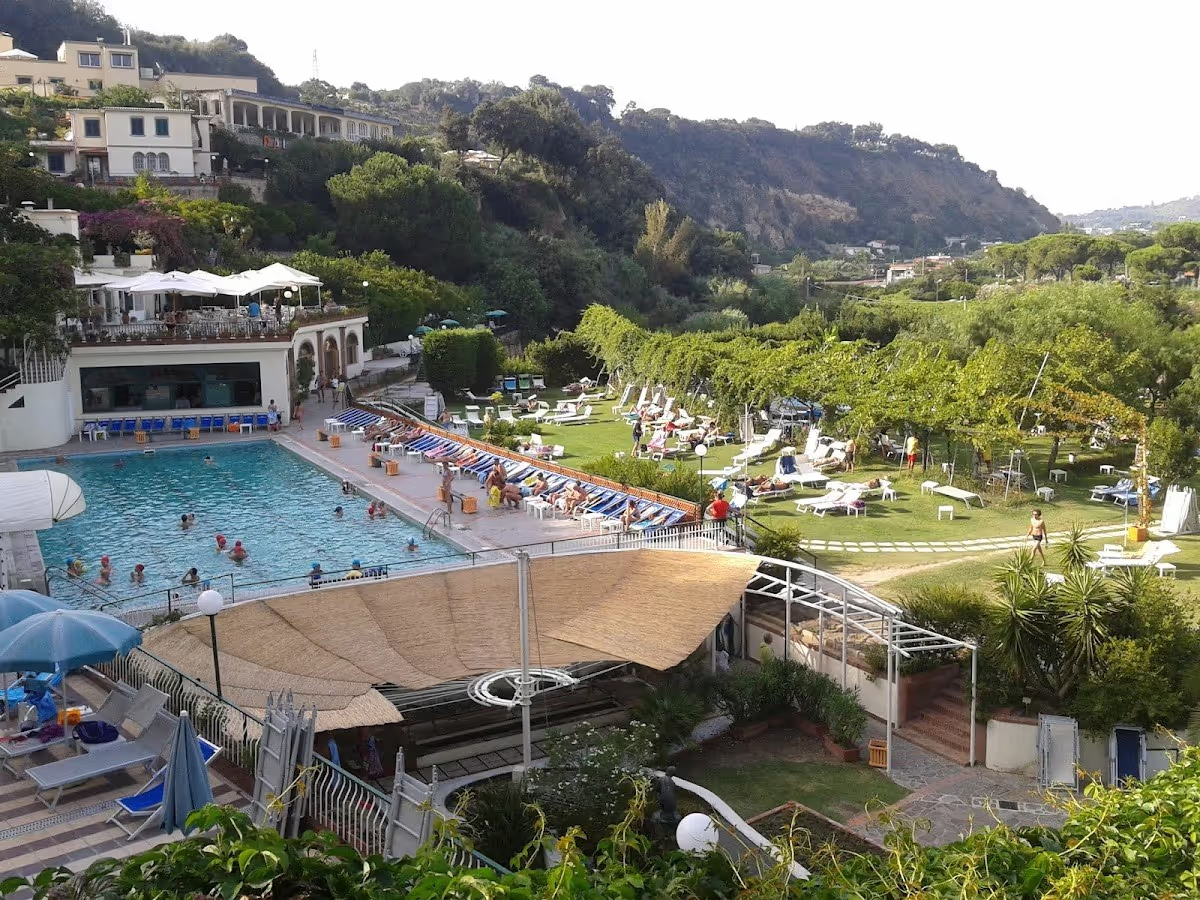
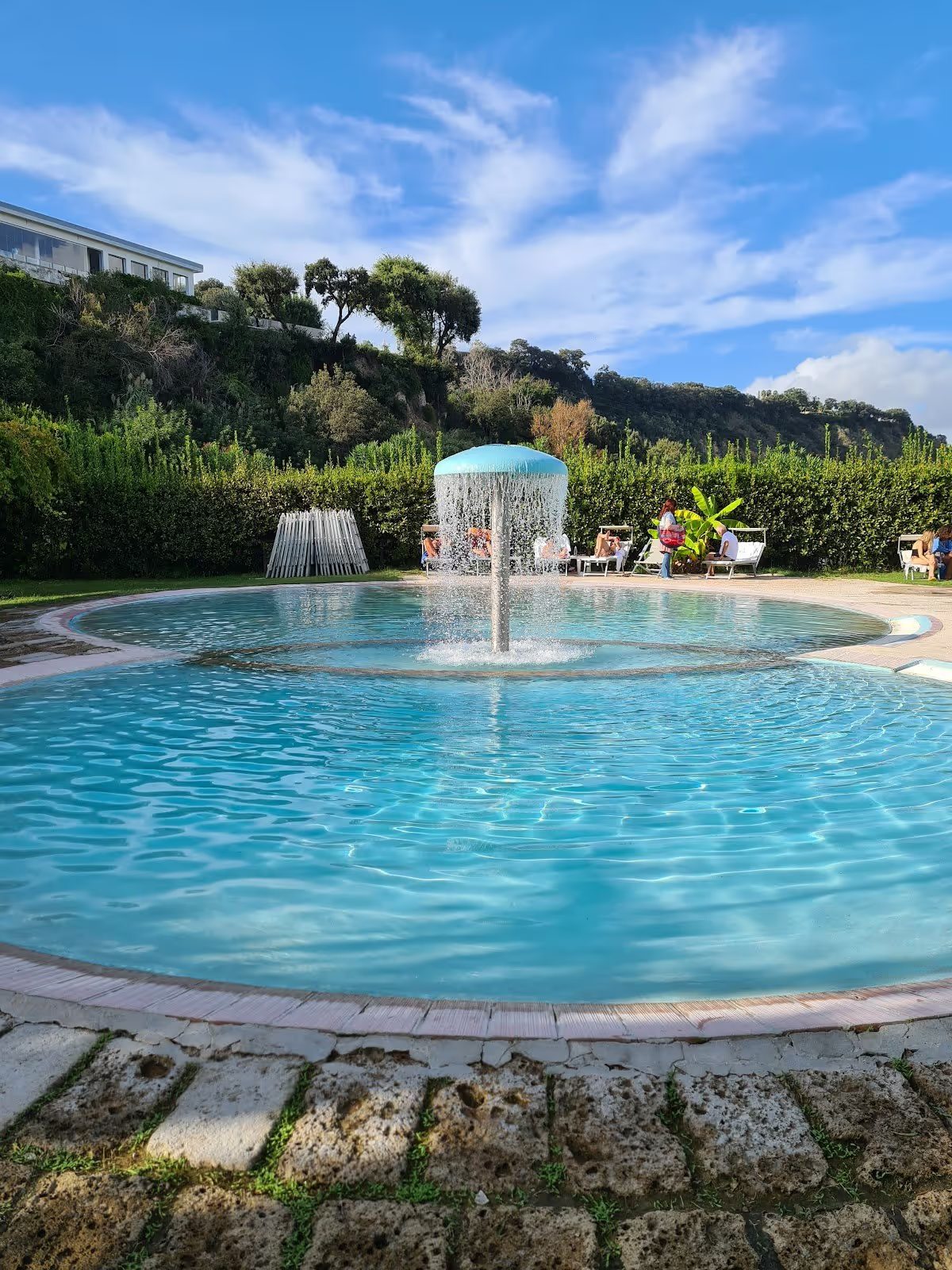
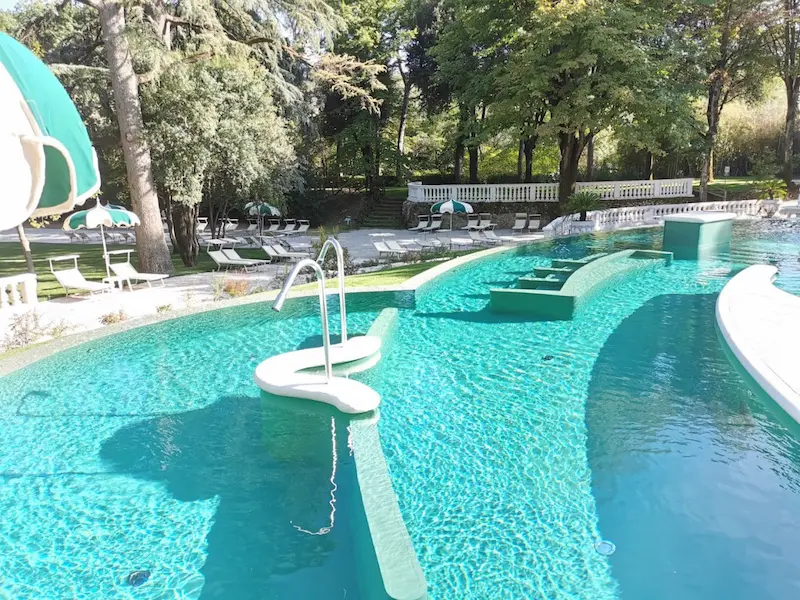
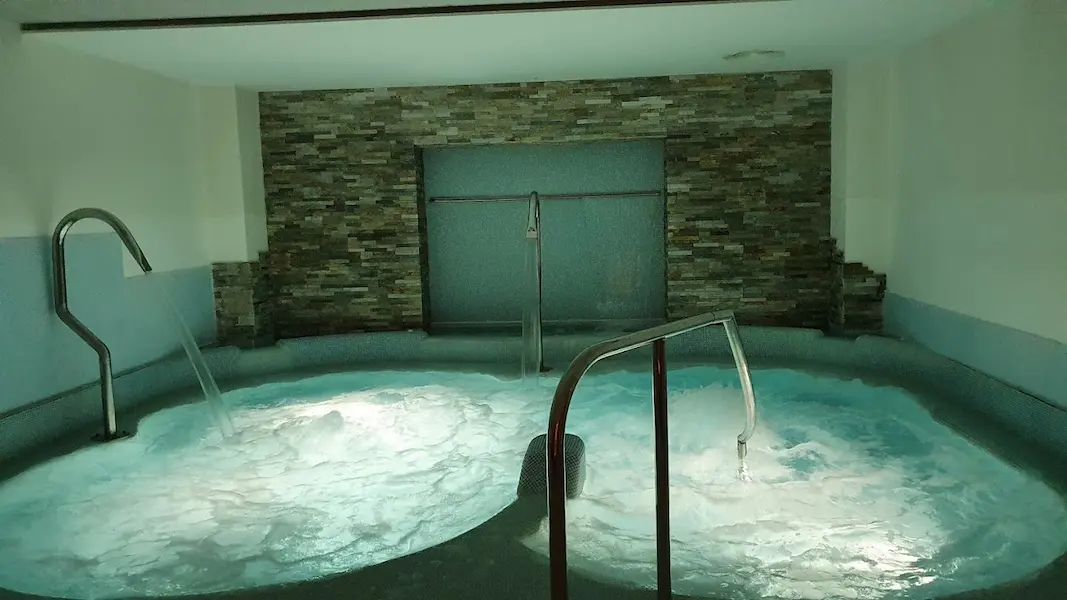
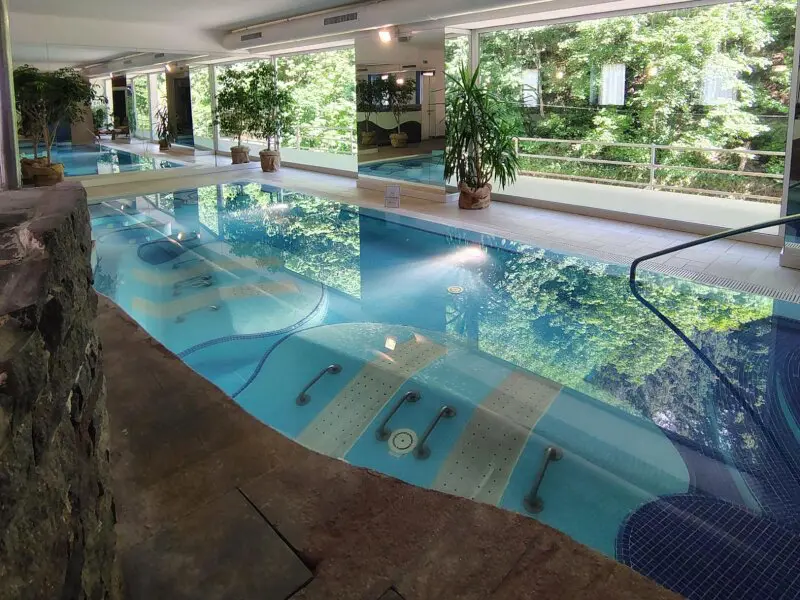
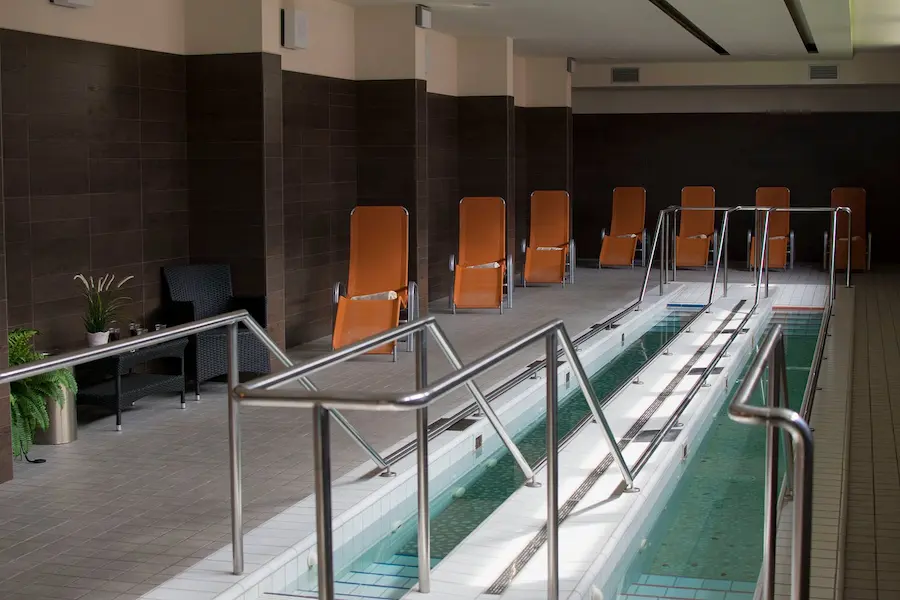
Outdoor facilities include a semi-Olympic pool, two more outdoor pools, a mud pool, a children's pool, and a solarium. Indoors: two pools, sauna, Kneipp path, two Jacuzzi baths, and hydromassage. Green volcanic clay for body application is available, and a restaurant and bar serve on site.
Location & Access
Getting to Terme Stufe di Nerone
Terme Stufe di Nerone is located at Via Stufe di Nerone 37, near Lago Lucrino in Bacoli, approximately 15 kilometres west of central Naples. By public transport, take the Cumana railway (operated by EAV) from Montesanto station in Naples toward Torregaveta and alight at Lucrino station, which is approximately 300 metres from the park entrance. The Cumana runs frequently and the journey from Naples Montesanto takes around 30 to 40 minutes. Alternatively, take Metro Line 2 from Naples Garibaldi (Centrale) to Pozzuoli Solfatara, then transfer to the Cumana to Lucrino.
By car from Naples, take the Tangenziale di Napoli and exit at junction 14 (Pozzuoli-Arco Felice). Take the tunnel on the right toward Bacoli, following signs for Lago Averno, from where the park is signposted. A paid car park is available near the entrance; parking is not included in the entry ticket. The Phlegraean Fields are a UNESCO World Heritage-listed volcanic zone; nearby attractions include the Solfatara crater, Lago d'Averno, and the archaeological site of Baia, all accessible within a short drive.
For those exploring hot springs near Naples over a full day, the Phlegraean Fields circuit combines Stufe di Nerone with the free Piscine Lucrino open-air springs and the Baia archaeological park within a compact area. The location is accessible by public transport from central Naples without a car, making it one of the most practical thermal day-trip destinations from the city.
Suitability & Accessibility
Who Terme Stufe di Nerone Suits
Terme Stufe di Nerone suits a wide range of visitors: those seeking an authentic thermal experience in a historically significant volcanic landscape; visitors wanting a full day of varied facilities at a single site; and families looking for a mix of thermal pools, a children's pool, and extensive grounds. The variety of water temperatures and environments, from the cooler children's pool to the hot cave saunas and mud lake, means most preferences are catered for in one visit.
The cave saunas (stufe) are the most unusual feature and attract visitors specifically for the experience of a natural rock-carved sauna at 52 to 55 degrees. The green clay available on site for body treatments before pool bathing is also popular and included in the standard entry. Swim caps are mandatory in all pools and can be purchased on site for 2 euros.
Wheelchair accessibility is not confirmed. The park covers extensive grounds with natural terrain, spring-fed lakes, and cave access; the layout is not designed with accessibility infrastructure in mind. Visitors with mobility requirements should contact the facility before visiting. Families with children under 12 benefit from the dedicated children's pool and water games area. Entry requires online pre-booking at 30 euros per visit; on-site entry is only available as a minimum six-visit subscription at 120 euros total. Book online at termestufedinerone.it to guarantee access.
Safety & Etiquette
Terme Stufe di Nerone Safety Tips
Terme Stufe di Nerone is a managed thermal park with staff on site during all opening hours. The main spring flows at 74 to 80 degrees Celsius; do not approach or enter water near active spring vents, as scalding is a risk. Pool water is maintained at safe bathing temperatures, but always test before entering and move away from areas where the water feels unusually hot. The natural cave saunas operate at 52 to 55 degrees; limit sessions in the stufe to short intervals and exit if you feel dizzy, overheated, or uncomfortable. Alternate between the caves and cooler areas to avoid heat stress.
Those with cardiovascular conditions, low blood pressure, or respiratory sensitivity to sulphur should consult a doctor before visiting. The water is sulphurous and the smell is strong throughout the park, particularly near the spring vents and lake areas. The green clay should not be left on skin for longer than the recommended period; follow staff guidance. Do not wear silver jewellery in sulphurous water.
A swim cap is mandatory in all pools; purchase on site for 2 euros if needed. Outside food is not permitted; the restaurant and bar are available on site. The car park is paid and separate from the entrance fee. The complex is closed on 1 January, Easter Sunday, Easter Monday, 25 December, and 26 December. Opening hours vary by season and day of week; check termestufedinerone.it before visiting. Single-visit entry is only available online in advance; walk-in entry requires purchasing a minimum six-visit pass.
Frequently Asked Questions
1
What is Terme Stufe di Nerone?
Terme Stufe di Nerone is a large volcanic thermal park near Lago Lucrino in the Phlegraean Fields, about 15 kilometres west of Naples. It sits on the site of ancient Roman baths used since at least the 2nd century BC and named Balneum Silvianae. The modern complex opened in 1973 and features natural cave saunas carved from volcanic rock at 52 to 55 degrees, two small thermal lakes fed by 20 natural springs, four indoor and outdoor pools, mud treatments, green clay, and a wellness centre. Entry is 30 euros, booked online; the park is open year-round.
2
What are the natural cave saunas at Stufe di Nerone?
The stufe are two natural caves carved directly from the volcanic rock of the Phlegraean Fields, with interior temperatures of 52 to 55 degrees Celsius. Thermal steam from the underground springs fills the caves naturally, creating an environment similar to a Turkish bath without any mechanical heating. They are used for antroterapia (cave therapy), which benefits respiratory and skin conditions, and for general relaxation. Most visitors move between the cave and the cooler pools in cycles. The caves are the defining feature that gives the complex its name and its historical identity.
3
How do I book entry to Stufe di Nerone?
Single-visit entry at 30 euros per person is available exclusively via online booking at termestufedinerone.it. Walk-in visitors without a pre-booked ticket can only enter by purchasing an on-site subscription of at least six visits at 120 euros total. Online booking is strongly recommended, especially at weekends and in summer, as the park can reach capacity. A swim cap is mandatory and can be bought on site for 2 euros. Robes and towels can be rented but are not included in the entry price.
4
Is Stufe di Nerone open in winter?
Yes. The park is open year-round, including winter months. From September to May (excluding public holidays), opening hours vary by day: the park is open from 8:00 to 21:00 on Monday, Wednesday, and Saturday; from 8:00 to 23:00 on Tuesday, Thursday, and Friday; and from 8:00 to 18:00 on Sunday and public holidays. From June to August the park is open 8:00 to 20:00 daily. The indoor thermal pools, cave saunas, and heated outdoor pools operate throughout winter, making it a viable destination in any season. The park is closed on 1 January, Easter Sunday, Easter Monday, and 25 to 26 December.
5
Is Stufe di Nerone historically connected to Roman times?
Yes. The site is one of the oldest thermal destinations in Italy. The baths were known in the Roman Republic era under the name Balneum Silvianae and were frequented by prominent figures including Horace, Cicero, Julius Caesar, and Nero. The Phlegraean Fields surrounding the park were a favourite retreat of the Roman aristocracy and were described by multiple Roman writers. The springs were buried and lost after the eruption of Monte Nuovo in 1538 and rediscovered during the 18th century. A Norman thermal establishment with 120 baths was built on the site around the year 1000 AD. The modern complex was built in 1973 on the foundations of these ancient structures, some of which are still partially visible.
Gallery
No pictures available for this hot spring.
Location
Address:
Via Stufe di Nerone 37, 80070 Bacoli (NA), Campania, Italy
Find a place to stay
Compare prices near this exact spot across Booking.com, Expedia and more.
See nearby stays →
40.837
14.069
Terme Stufe di Nerone, Italy
Text LinkVia Stufe di Nerone 37, 80070 Bacoli (NA), Campania, Italy
More hot springs in Italy
Some accommodation links on this site are affiliate links. If you book through them, we may earn a small commission at no additional cost to you. This helps keep hotspringsguides.com free to use.