Terme dei Papi, Italy
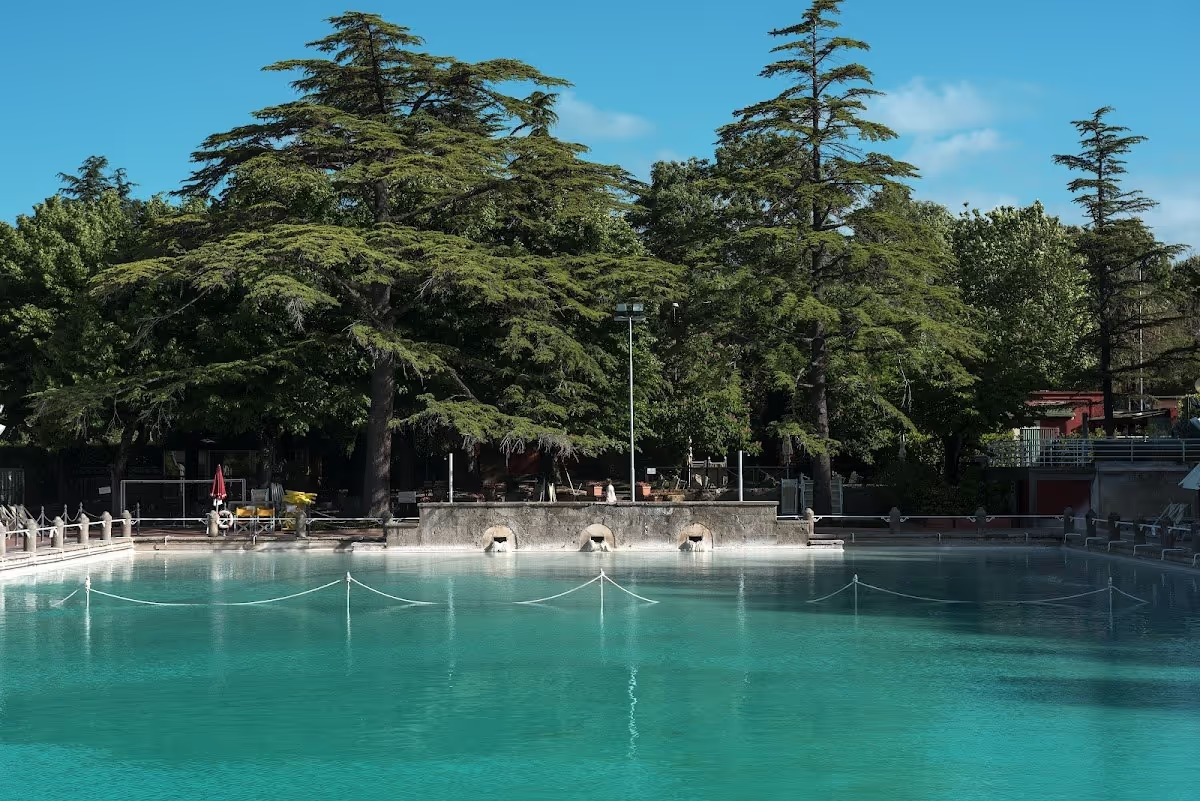
Prestigious papal spa resort with massive 2,000sqm limestone pool fed by 58°C Bullicame spring, natural steam grotto, medical treatments, comprehensive facilities.
Strada Bagni 12, 01100 Viterbo (VT), Lazio
Viterbo
IT
42.4171
12.0753
Resorts & Spas
Paid
Easy to reach (no hike)
Generally safe
Swimsuit required
true
true
Europe
terme-dei-papi-italy
Why is it called the Baths of the Popes?
Terme dei Papi earned its name (Baths of the Popes) through direct historical association with papal patronage beginning in the 15th century and continuing through several subsequent centuries. In 1450, Pope Nicholas V (papacy 1447 to 1455), who suffered from gout and other ailments common in aging ecclesiastical leadership, became aware of the therapeutic properties of Viterbo's thermal springs through his mother's recommendation after she visited and experienced relief from her own health conditions. Impressed by these reports and seeking treatment for his painful gout, Pope Nicholas commissioned construction of a substantial crenellated palace building at the Bullicame spring specifically to serve as a papal residence during thermal treatment periods. This structure became known as the Bagno del Papa (Bath of the Pope) and represented significant investment and papal endorsement of the springs' therapeutic value. The palace allowed the pope to reside comfortably at the thermal site rather than requiring daily travel from Viterbo, enabling extended treatment protocols. Pope Pius II (papacy 1458 to 1464), Nicholas V's successor, also appreciated the thermal springs and ordered enlargement and improvement of the papal palace, further cementing the association between the papacy and these specific springs. During this period, Viterbo held special significance for the papacy beyond just the thermal springs. In the 13th century, Viterbo briefly served as the papal seat, and the city hosted the longest papal conclave in history (1268 to 1271) at the Palazzo dei Papi (Papal Palace) in Viterbo's historic center. This history meant Viterbo and its resources including the thermal springs were well-known to papal authorities and associated with papal rest, recovery, and retreat. Throughout subsequent centuries, various popes and members of the papal court utilized Viterbo's springs when staying in the region or when papal business brought them to the area. The thermal complex gradually developed around this historical papal association, with the name Terme dei Papi becoming the official designation honoring this distinguished heritage. Today, the resort proudly maintains this connection through its name, historical references in its marketing, and the continued presence of architectural elements recalling the original papal structures.
What is the Grotta Naturale and why does it require medical clearance?
The Grotta Naturale (Natural Grotto) at Terme dei Papi is a unique natural steam cave that represents one of the most distinctive features of the resort and is, according to the facility, the only natural thermal steam cave of its kind in Italy. The grotto is a genuine geological formation (not artificially constructed) where thermal water from the Bullicame spring flows through natural rock passages, heating the enclosed cave environment to temperatures exceeding 40 degrees Celsius with relative humidity at or near 100 percent. This creates an authentic natural Turkish bath environment where steam saturates the air and condenses on all surfaces. The therapeutic mechanism involves the combination of heat, moisture saturation, and the inhalation of vapors containing dissolved minerals and sulfur compounds from the thermal water. The enclosed humid heat environment causes vasodilation (expansion of blood vessels), increased perspiration and toxin elimination, deep muscle relaxation, respiratory membrane hydration and cleansing, and enhanced skin pore opening and cleansing. The Italian National Health Service recognizes the therapeutic efficacy of this treatment for specific medical conditions, particularly respiratory disorders including chronic bronchitis, sinusitis, and rhinitis, as well as rheumatic conditions, skin disorders, and circulatory problems. This medical recognition explains why prescribed treatments in the Grotta Naturale can be covered by Italian national health insurance for patients with appropriate medical referrals. However, the extreme conditions (over 40 degrees Celsius with 100 percent humidity in a confined enclosed space) create serious physiological stress that can be dangerous for individuals with certain health vulnerabilities. The combination of intense heat and humidity saturation affects cardiovascular function (increasing heart rate and blood pressure), respiratory function (requiring increased breathing effort in the thick humid air), and thermoregulation (overwhelming the body's cooling mechanisms). The mandatory medical consultation or self-certification requirement exists to screen out individuals at risk for heat stroke, cardiac events, respiratory distress, or fainting episodes. Before entering, visitors must either consult with the facility's physician who performs basic health screening including blood pressure measurement and health history review, or sign a self-certification document acknowledging they understand the health risks and confirm they do not have contraindicated conditions. This procedural requirement may seem bureaucratic to healthy visitors accustomed to entering saunas casually, but it reflects legal liability considerations and genuine concern for guest safety given the documented cases of medical emergencies occurring in extreme thermal environments at spas worldwide. The grotta is particularly effective therapeutically but must be used carefully with appropriate time limits (usually 10 to 15 minutes maximum per session) and immediate exit if any symptoms of distress occur.
Is Terme dei Papi worth the higher price compared to free Viterbo springs?
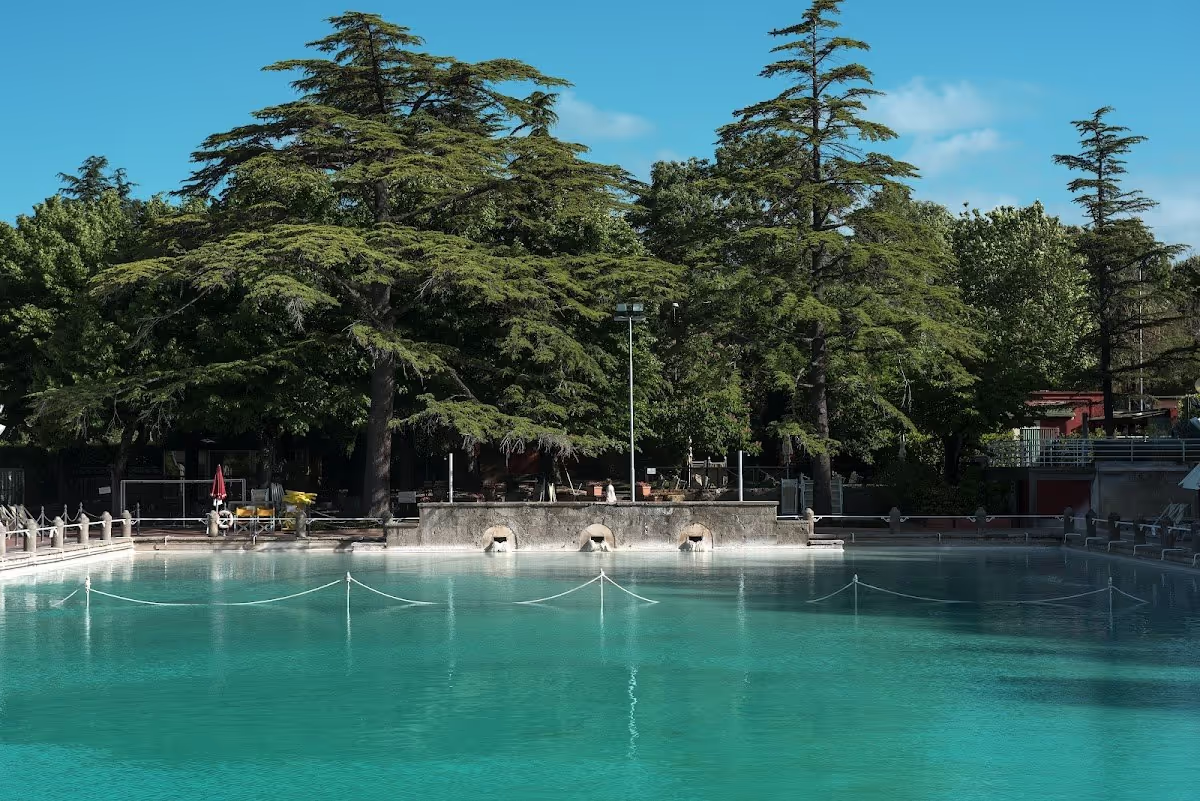
Whether Terme dei Papi justifies its premium pricing (18 euros weekdays, higher on weekends) compared to free springs like Bullicame or Piscine Carletti or low-cost Bagnaccio (5 to 7 euros) depends entirely on visitor priorities and what aspects of the thermal experience matter most. Terme dei Papi provides substantial value through features unavailable at free or budget springs: the massive 2,000 square meter monumental pool is an impressive architectural and engineering achievement providing ample space even during busy periods, preventing the overcrowding common at free springs. The pool's travertine limestone construction, carved stone water spouts, and dramatic aesthetic create a luxurious environment that elevates the experience beyond pure utility into an experience of beauty and grandeur. The professionally managed facility provides full changing facilities with lockers, showers, clean maintained restrooms, and organized spaces contrasting with the basic or absent facilities at free springs where visitors may change behind bushes or in car seats. The addition of the unique Grotta Naturale steam cave provides a one-of-a-kind experience genuinely unavailable elsewhere in Italy and worth trying for visitors interested in authentic natural thermal phenomena. The comprehensive spa services including massage treatments, beauty services, medical consultations, and wellness programs mean visitors can construct elaborate spa days combining multiple modalities rather than just pool soaking. The on-site restaurant and bar allow extended visits without bringing picnic food or leaving to find meals. The medical recognition and prescribed treatment options make this suitable for visitors seeking serious therapeutic treatments for specific health conditions rather than recreational bathing. The supervised lifeguarded pools, medical staff availability, and professional safety protocols provide peace of mind particularly valuable for families with children or visitors with health concerns. However, for budget travelers, backpackers, young travelers seeking authentic rustic experiences, or locals wanting regular affordable thermal access, the free and low-cost springs offer perfectly adequate thermal bathing at a fraction of the cost. Many visitors to Viterbo specifically prefer the intimate natural character of Bullicame with its Dante literary connection or the nighttime romance of Piscine Carletti to the commercial resort atmosphere of Terme dei Papi. The ideal approach for visitors with time in Viterbo is experiencing both: visit Bullicame or Piscine Carletti for authentic free spring character, then visit Terme dei Papi for the comprehensive spa resort experience, allowing direct comparison of the different styles and determining personal preferences. Many travelers report that both experiences are worthwhile and provide different values, with free springs offering authentic natural immersion and Terme dei Papi offering luxury, comfort, and unique features like the steam grotto that justify the premium pricing.
Can I visit Terme dei Papi in winter?
What is the best time of day to visit Terme dei Papi?
The optimal visiting time at Terme dei Papi depends on desired atmosphere and priorities. Weekday mornings immediately when the facility opens offer the quietest experience with fewest crowds, allowing visitors to enjoy the monumental pool and facilities without congestion. This timing works well for visitors seeking peaceful contemplative thermal bathing or those uncomfortable with crowded pool environments. Midday and early afternoon on weekdays see moderate attendance but remain comfortable, and this timing works well for visitors combining thermal visits with other Viterbo activities (morning exploring historic center, afternoon at spa). Late afternoon weekdays as the facility approaches closing encounter decreasing crowds as day visitors depart, providing a quieter end-of-day experience. Weekends are significantly busier throughout the day as both tourists and locals from Rome and Lazio region visit, particularly Saturday afternoons and Sundays. Weekend mornings immediately at opening offer the best weekend experience before peak crowds arrive. The special Saturday evening session (21:00 to 01:00) provides a completely different experience focused on romantic nighttime bathing. This session is popular with couples and creates an intimate atmosphere with the massive pool illuminated at night, steam rising under stars or moonlight, and a magical quality distinct from daytime visits. The Saturday evening session requires advance booking during peak periods as capacity is limited. The price for this special session (typically 20 euros) reflects the unique experience and extended access. Seasonal considerations also matter: summer weekends can reach capacity requiring advance booking, while summer weekdays offer good availability with warm weather making the outdoor setting pleasant. Winter weekdays provide the quietest experiences with minimal crowds, though cold air temperatures may deter some visitors. Spring and autumn shoulder seasons (April to May and September to October) offer ideal conditions with comfortable air temperatures, moderate crowds, and pleasant weather for spending full days at the spa including outdoor relaxation between soaking sessions. For visitors seeking the Grotta Naturale steam cave experience, allowing extra time for the required medical consultation or certification process is important, so arriving with sufficient time before the desired cave session prevents rushed experiences. Many visitors report that spending 3 to 4 hours at the facility provides adequate time to enjoy the pool, try the cave if desired, shower and change leisurely, and perhaps have refreshments without feeling rushed, making this a comfortable duration for planning purposes.

Terme dei Papi, Italy

Prestigious papal spa resort with massive 2,000sqm limestone pool fed by 58°C Bullicame spring, natural steam grotto, medical treatments, comprehensive facilities.
Quick Facts
Experience
Resorts & Spas
Access Level
Easy to reach (no hike)
Safety Level
Generally safe
What to Wear
Swimsuit required
Family Friendly
Yes
Entry Fee
Paid
Wheelchair Access
Yes
Address
Strada Bagni 12, 01100 Viterbo (VT), Lazio

Overview

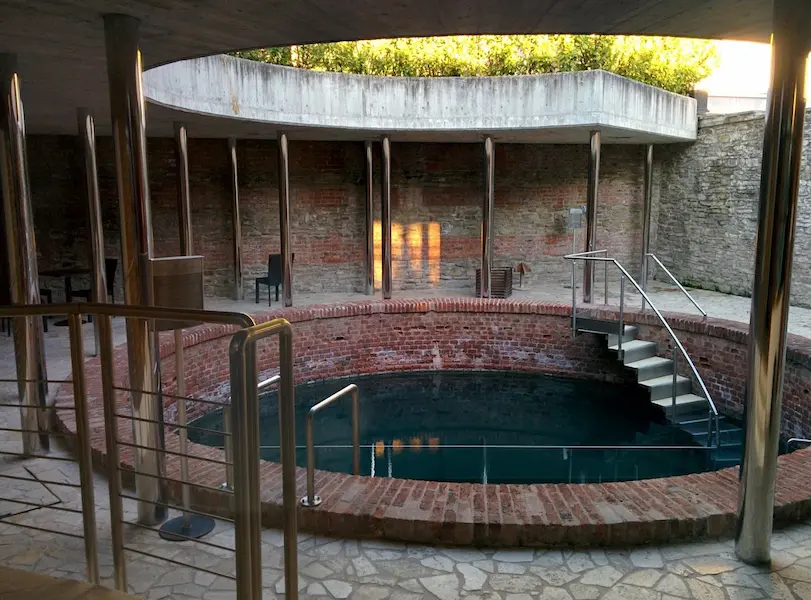
Terme dei Papi occupies a privileged position in Viterbo's thermal landscape both geographically and historically. The resort sits approximately 4 kilometers west of Viterbo's historic center in the suburb called Bullicame, named after the famous Bullicame spring that feeds the facility. This spring has been renowned since ancient times, with the name deriving from Latin bullire meaning to boil or bubble, describing the vigorous emergence of the hot water. The Bullicame spring was used during Etruscan and Roman periods, with archaeological evidence of bath structures in the area. The spring achieved literary fame when Dante Alighieri mentioned it in Canto XIV of his Inferno in the Divine Comedy, using the hot spring as a metaphor for a hellish boiling river. A stone monument with verses from Dante's poem stands today within the thermal park honoring this literary connection. The modern resort's association with papal authority began in 1450 when Pope Nicholas V, who suffered from gout and sought relief in the thermal waters, commissioned construction of a sumptuous crenellated palace at the springs so he could reside there during treatment periods. His mother had previously visited the springs and recommended them, leading to papal patronage. The palace was called Bagno del Papa (Bath of the Pope) and was later enlarged by Pope Pius II. The name Terme dei Papi (Baths of the Popes) commemorates this history of papal use and royal patronage. During the medieval period when Viterbo briefly served as the papal seat in the 13th century, the city's thermal waters gained additional prestige through association with the papacy. Various popes utilized Viterbo's springs for health and rest during this period and in subsequent centuries. The modern resort developed gradually during the 19th and 20th centuries as Italian thermal spa culture flourished, transforming from scattered pools and basic buildings into the comprehensive facility visible today with professional medical services, luxury amenities, and architectural grandeur befitting its papal name.

Location & Access

From Viterbo city center (approximately 4 kilometers, 8 to 10 minutes), follow signs for Strada Bagni heading west from the historic center. The route is well-signposted as Terme dei Papi is a major destination. From Rome (approximately 90 to 100 kilometers, 1 to 1.5 hours), take the A1 Autostrada del Sole motorway north toward Florence and exit at Orte. From Orte, follow SS675 then SS2 (Via Cassia) toward Viterbo. As you approach Viterbo, follow signs for Terme dei Papi or Viterbo Terme exit. Alternatively, take Via Cassia bis (SS2 bis) to Vetralla, then head east toward Viterbo, exiting at Viterbo Terme. The resort is located at Strada Bagni 12, clearly marked and easily accessible from the main road. For public transport users, regional trains operate from Roma Termini to Viterbo (approximately 2 hours). From Viterbo's train station (Viterbo Porta Fiorentina), take a taxi to the resort (approximately 10 to 15 minutes, reasonable fare) or check for local bus service. Some visitors mention a bus service that picks up passengers in Rome at Piazza Mancini and Corso Francia and travels directly to the thermal area, though schedules should be verified in advance. The resort offers ample parking for visitors arriving by car. The location just outside Viterbo proper provides a peaceful countryside setting while remaining conveniently accessible from both the city and major transportation routes. Many visitors combine thermal spa visits with exploration of Viterbo's beautiful medieval historic center, making this an easy addition to Viterbo tourism itineraries. The resort is also within day-trip distance from other Lazio attractions including Civita di Bagnoregio (the dying town), Lake Bolsena, Villa Lante gardens at Bagnaia, and numerous other historical and natural sites in the Tuscia region. For international visitors staying in Rome, Terme dei Papi represents one of the closest high-quality thermal spa experiences accessible as a comfortable day trip from the capital.

Suitability & Accessibility

Terme dei Papi serves a diverse clientele from serious medical patients seeking therapeutic treatments to wellness tourists enjoying luxury spa experiences. The facility is appropriate for adults and families with older children (minimum age restrictions apply for certain treatments, particularly the Grotta Naturale steam cave). The massive monumental pool accommodates large numbers of visitors comfortably even during busy periods, and the water depth varies allowing both swimming and standing. Families appreciate the safe supervised environment, ample changing facilities, and the spectacular visual impact of the enormous pool which children find exciting. However, the resort attracts a more upscale wellness-focused clientele than the free or low-cost springs in the Viterbo area, and the higher admission prices (18 euros weekdays, higher on weekends and for premium packages) mean the atmosphere skews toward tourists and affluent visitors rather than local families seeking budget recreation. The Grotta Naturale natural steam cave represents a unique feature found nowhere else in Italy and provides an authentic natural Turkish bath experience, but requires medical clearance or self-certification acknowledging health status before entry due to the extreme conditions (over 40 degrees Celsius with 100 percent humidity). This thermal cave is not appropriate for children, pregnant women, or individuals with cardiovascular conditions, respiratory limitations, or heat intolerance. Some visitors find the mandatory medical consultation process (which includes blood pressure checks and health screening) overly bureaucratic, though this reflects serious attention to guest safety given the intense thermal environment. The facility is wheelchair accessible with modern changing rooms, elevator access to different levels, and accessible pool entry features, making this one of the most accessible thermal facilities in the Viterbo area. Visitors with mobility limitations can access most amenities including the main pool and standard spa services, though the Grotta Naturale cave involves steps and may not be fully accessible. The resort operates both as a medical spa (offering prescribed thermal treatments covered by Italian national health insurance for eligible patients) and as a luxury wellness spa for private visitors, so the clientele includes both medical patients following treatment protocols and leisure visitors enjoying recreational thermal bathing.

Safety & Etiquette

Terme dei Papi Safety Tips

The monumental pool water temperature of 58 degrees Celsius is hot enough to cause discomfort or burns if entered too quickly without gradual acclimatization, so use the pool entry steps slowly, allowing your body to adjust to the heat progressively rather than jumping or diving in. Stay hydrated by drinking water regularly throughout your visit as the hot water causes sweating and fluid loss even when submerged. Limit soaking sessions to 15 to 20 minutes initially, exit the pool and rest in shaded areas or relaxation zones, then return for additional sessions rather than spending extended continuous time in hot water. The Grotta Naturale steam cave presents the most intense thermal environment in the facility and requires specific precautions. The mandatory medical screening before cave entry exists for serious safety reasons, as the combination of extreme heat (over 40 degrees Celsius) and total humidity saturation (100 percent) can overwhelm cardiovascular and respiratory systems in vulnerable individuals. Follow staff instructions precisely regarding time limits in the cave (typically 10 to 15 minutes maximum), and exit immediately if feeling any dizziness, nausea, difficulty breathing, or rapid heartbeat. The cave environment is dim with high humidity making visibility limited and surfaces extremely slippery, so move slowly and carefully using handrails where provided. Pregnant women must not use the Grotta Naturale under any circumstances. Individuals with heart conditions, uncontrolled blood pressure, respiratory diseases, or heat intolerance should not enter even if willing to sign waivers, as medical emergencies in the enclosed cave environment are dangerous. Children and adolescents under 18 are prohibited from the steam cave. For the main pool and standard facilities, typical thermal bathing safety applies: avoid alcohol consumption before or during bathing, do not eat heavy meals immediately before entering hot water, remove all jewelry before bathing as sulfurous water tarnishes metals, shower before pool entry for hygiene, wear appropriate swimwear (swimsuit required, swim cap may be required depending on facility rules), supervise children constantly even though lifeguards may be present. The pool edges and surrounding travertine surfaces are slippery when wet, so walk carefully and do not run. Some visitors report that changing room and entry procedures can be confusing on first visits, involving key card deposits, locker assignments, and navigation of different spa zones, so allow extra time on initial visits to complete check-in procedures and orientation. Follow posted rules regarding photography (often restricted in changing areas and treatment zones) and appropriate behavior. The Saturday evening nighttime bathing session (21:00 to 01:00) offers a special romantic atmosphere but requires awareness that visibility is reduced and pool monitoring may be different from daytime operations.

Frequently Asked Questions

1
Why is it called the Baths of the Popes?
Terme dei Papi earned its name (Baths of the Popes) through direct historical association with papal patronage beginning in the 15th century and continuing through several subsequent centuries. In 1450, Pope Nicholas V (papacy 1447 to 1455), who suffered from gout and other ailments common in aging ecclesiastical leadership, became aware of the therapeutic properties of Viterbo's thermal springs through his mother's recommendation after she visited and experienced relief from her own health conditions. Impressed by these reports and seeking treatment for his painful gout, Pope Nicholas commissioned construction of a substantial crenellated palace building at the Bullicame spring specifically to serve as a papal residence during thermal treatment periods. This structure became known as the Bagno del Papa (Bath of the Pope) and represented significant investment and papal endorsement of the springs' therapeutic value. The palace allowed the pope to reside comfortably at the thermal site rather than requiring daily travel from Viterbo, enabling extended treatment protocols. Pope Pius II (papacy 1458 to 1464), Nicholas V's successor, also appreciated the thermal springs and ordered enlargement and improvement of the papal palace, further cementing the association between the papacy and these specific springs. During this period, Viterbo held special significance for the papacy beyond just the thermal springs. In the 13th century, Viterbo briefly served as the papal seat, and the city hosted the longest papal conclave in history (1268 to 1271) at the Palazzo dei Papi (Papal Palace) in Viterbo's historic center. This history meant Viterbo and its resources including the thermal springs were well-known to papal authorities and associated with papal rest, recovery, and retreat. Throughout subsequent centuries, various popes and members of the papal court utilized Viterbo's springs when staying in the region or when papal business brought them to the area. The thermal complex gradually developed around this historical papal association, with the name Terme dei Papi becoming the official designation honoring this distinguished heritage. Today, the resort proudly maintains this connection through its name, historical references in its marketing, and the continued presence of architectural elements recalling the original papal structures.
2
What is the Grotta Naturale and why does it require medical clearance?
The Grotta Naturale (Natural Grotto) at Terme dei Papi is a unique natural steam cave that represents one of the most distinctive features of the resort and is, according to the facility, the only natural thermal steam cave of its kind in Italy. The grotto is a genuine geological formation (not artificially constructed) where thermal water from the Bullicame spring flows through natural rock passages, heating the enclosed cave environment to temperatures exceeding 40 degrees Celsius with relative humidity at or near 100 percent. This creates an authentic natural Turkish bath environment where steam saturates the air and condenses on all surfaces. The therapeutic mechanism involves the combination of heat, moisture saturation, and the inhalation of vapors containing dissolved minerals and sulfur compounds from the thermal water. The enclosed humid heat environment causes vasodilation (expansion of blood vessels), increased perspiration and toxin elimination, deep muscle relaxation, respiratory membrane hydration and cleansing, and enhanced skin pore opening and cleansing. The Italian National Health Service recognizes the therapeutic efficacy of this treatment for specific medical conditions, particularly respiratory disorders including chronic bronchitis, sinusitis, and rhinitis, as well as rheumatic conditions, skin disorders, and circulatory problems. This medical recognition explains why prescribed treatments in the Grotta Naturale can be covered by Italian national health insurance for patients with appropriate medical referrals. However, the extreme conditions (over 40 degrees Celsius with 100 percent humidity in a confined enclosed space) create serious physiological stress that can be dangerous for individuals with certain health vulnerabilities. The combination of intense heat and humidity saturation affects cardiovascular function (increasing heart rate and blood pressure), respiratory function (requiring increased breathing effort in the thick humid air), and thermoregulation (overwhelming the body's cooling mechanisms). The mandatory medical consultation or self-certification requirement exists to screen out individuals at risk for heat stroke, cardiac events, respiratory distress, or fainting episodes. Before entering, visitors must either consult with the facility's physician who performs basic health screening including blood pressure measurement and health history review, or sign a self-certification document acknowledging they understand the health risks and confirm they do not have contraindicated conditions. This procedural requirement may seem bureaucratic to healthy visitors accustomed to entering saunas casually, but it reflects legal liability considerations and genuine concern for guest safety given the documented cases of medical emergencies occurring in extreme thermal environments at spas worldwide. The grotta is particularly effective therapeutically but must be used carefully with appropriate time limits (usually 10 to 15 minutes maximum per session) and immediate exit if any symptoms of distress occur.
3
Is Terme dei Papi worth the higher price compared to free Viterbo springs?
Whether Terme dei Papi justifies its premium pricing (18 euros weekdays, higher on weekends) compared to free springs like Bullicame or Piscine Carletti or low-cost Bagnaccio (5 to 7 euros) depends entirely on visitor priorities and what aspects of the thermal experience matter most. Terme dei Papi provides substantial value through features unavailable at free or budget springs: the massive 2,000 square meter monumental pool is an impressive architectural and engineering achievement providing ample space even during busy periods, preventing the overcrowding common at free springs. The pool's travertine limestone construction, carved stone water spouts, and dramatic aesthetic create a luxurious environment that elevates the experience beyond pure utility into an experience of beauty and grandeur. The professionally managed facility provides full changing facilities with lockers, showers, clean maintained restrooms, and organized spaces contrasting with the basic or absent facilities at free springs where visitors may change behind bushes or in car seats. The addition of the unique Grotta Naturale steam cave provides a one-of-a-kind experience genuinely unavailable elsewhere in Italy and worth trying for visitors interested in authentic natural thermal phenomena. The comprehensive spa services including massage treatments, beauty services, medical consultations, and wellness programs mean visitors can construct elaborate spa days combining multiple modalities rather than just pool soaking. The on-site restaurant and bar allow extended visits without bringing picnic food or leaving to find meals. The medical recognition and prescribed treatment options make this suitable for visitors seeking serious therapeutic treatments for specific health conditions rather than recreational bathing. The supervised lifeguarded pools, medical staff availability, and professional safety protocols provide peace of mind particularly valuable for families with children or visitors with health concerns. However, for budget travelers, backpackers, young travelers seeking authentic rustic experiences, or locals wanting regular affordable thermal access, the free and low-cost springs offer perfectly adequate thermal bathing at a fraction of the cost. Many visitors to Viterbo specifically prefer the intimate natural character of Bullicame with its Dante literary connection or the nighttime romance of Piscine Carletti to the commercial resort atmosphere of Terme dei Papi. The ideal approach for visitors with time in Viterbo is experiencing both: visit Bullicame or Piscine Carletti for authentic free spring character, then visit Terme dei Papi for the comprehensive spa resort experience, allowing direct comparison of the different styles and determining personal preferences. Many travelers report that both experiences are worthwhile and provide different values, with free springs offering authentic natural immersion and Terme dei Papi offering luxury, comfort, and unique features like the steam grotto that justify the premium pricing.
4
Can I visit Terme dei Papi in winter?
Yes, Terme dei Papi operates year-round and winter visits offer distinctive advantages that make cold-weather thermal bathing particularly appealing. The outdoor monumental pool maintains its 58 degree Celsius temperature regardless of air temperature, so even when outside air is near freezing, the pool water remains comfortably hot. The dramatic temperature contrast between hot water and cold winter air creates intense visible steam clouds rising from the pool, producing spectacular visual effects particularly beautiful on cold clear nights or mornings. The sensory experience of the body warmth contrasting with cold air touching the face and head creates a unique sensation many visitors find invigorating. Winter visits typically encounter fewer crowds than summer high season, as many tourists associate thermal bathing with summer travel and overlook the winter advantages. This means better access to changing facilities, more space in the pools, and a generally more peaceful atmosphere. The surrounding Viterbo countryside takes on different character in winter with bare trees, occasional snow on distant hills, and crisp clear air that enhances visibility and views. The indoor facilities including the Grotta Naturale steam cave become particularly appealing in winter as warm refuge spaces, and the contrast of moving between cold air, hot pools, and steamy caves creates varied sensory experiences. The on-site restaurant and bar feel cozier during cold weather, and warming up with hot beverages or meals after thermal bathing becomes more satisfying. However, winter visits require appropriate preparation: bring very warm clothing including coat, hat, and gloves for the period before and after bathing, as the walk from parking to changing facilities and the exit transition when wet can feel uncomfortable in freezing temperatures. The outdoor shower areas may be extremely cold, though some visitors bypass outdoor showers and proceed directly to indoor changing facilities. Hair that remains wet after bathing will freeze in very cold conditions, so thorough drying or wearing a warm hat is essential. Snow or ice on walkways around the facility can create safety hazards, though the resort manages these conditions. Winter road conditions between Rome or other cities and Viterbo may require winter tires or chains during occasional snowfall, though major roads are typically maintained. Overall, winter thermal bathing at Terme dei Papi is highly recommended for visitors willing to manage the cold air portions of the visit, as the contrast and atmosphere provide memorable experiences many winter visitors rate as superior to summer visits.
5
What is the best time of day to visit Terme dei Papi?
The optimal visiting time at Terme dei Papi depends on desired atmosphere and priorities. Weekday mornings immediately when the facility opens offer the quietest experience with fewest crowds, allowing visitors to enjoy the monumental pool and facilities without congestion. This timing works well for visitors seeking peaceful contemplative thermal bathing or those uncomfortable with crowded pool environments. Midday and early afternoon on weekdays see moderate attendance but remain comfortable, and this timing works well for visitors combining thermal visits with other Viterbo activities (morning exploring historic center, afternoon at spa). Late afternoon weekdays as the facility approaches closing encounter decreasing crowds as day visitors depart, providing a quieter end-of-day experience. Weekends are significantly busier throughout the day as both tourists and locals from Rome and Lazio region visit, particularly Saturday afternoons and Sundays. Weekend mornings immediately at opening offer the best weekend experience before peak crowds arrive. The special Saturday evening session (21:00 to 01:00) provides a completely different experience focused on romantic nighttime bathing. This session is popular with couples and creates an intimate atmosphere with the massive pool illuminated at night, steam rising under stars or moonlight, and a magical quality distinct from daytime visits. The Saturday evening session requires advance booking during peak periods as capacity is limited. The price for this special session (typically 20 euros) reflects the unique experience and extended access. Seasonal considerations also matter: summer weekends can reach capacity requiring advance booking, while summer weekdays offer good availability with warm weather making the outdoor setting pleasant. Winter weekdays provide the quietest experiences with minimal crowds, though cold air temperatures may deter some visitors. Spring and autumn shoulder seasons (April to May and September to October) offer ideal conditions with comfortable air temperatures, moderate crowds, and pleasant weather for spending full days at the spa including outdoor relaxation between soaking sessions. For visitors seeking the Grotta Naturale steam cave experience, allowing extra time for the required medical consultation or certification process is important, so arriving with sufficient time before the desired cave session prevents rushed experiences. Many visitors report that spending 3 to 4 hours at the facility provides adequate time to enjoy the pool, try the cave if desired, shower and change leisurely, and perhaps have refreshments without feeling rushed, making this a comfortable duration for planning purposes.

Location

Address:
Strada Bagni 12, 01100 Viterbo (VT), Lazio
Coordinates:
12.0753
,
42.4171
42.4171
12.0753
Terme dei Papi, Italy
Text Link
Strada Bagni 12, 01100 Viterbo (VT), Lazio

Other hot springs in

Italy