Terme di Fiuggi, Italy
Historic drinking cure parks near Rome renowned for cold oligomineral spring water that treats kidney stones. Two wooded parks. NHS recognised. 8 EUR entry.
Piazzale Fonte Bonifacio VIII, 03014 Fiuggi (FR), Lazio, Italy
Rome
IT
41.8
13.222
Public Pools & Parks
Paid
Easy to reach (no hike)
Generally safe
Clothing optional
true
false
Europe
terme-di-fiuggi-italy
What is Terme di Fiuggi?
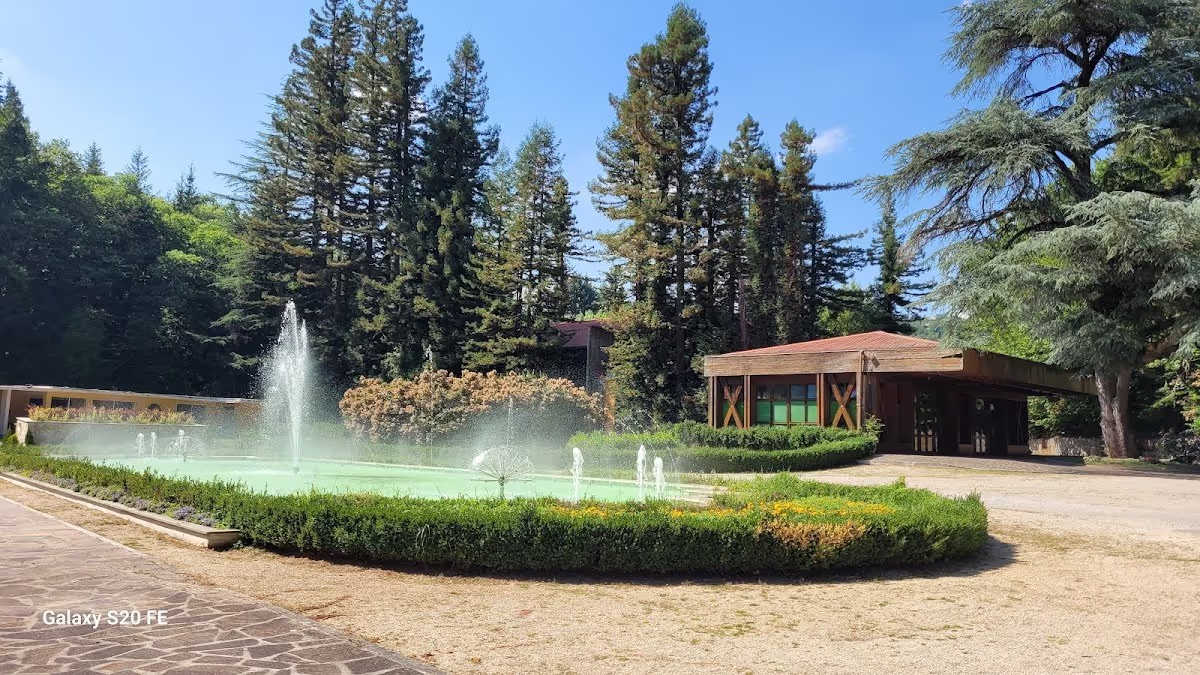
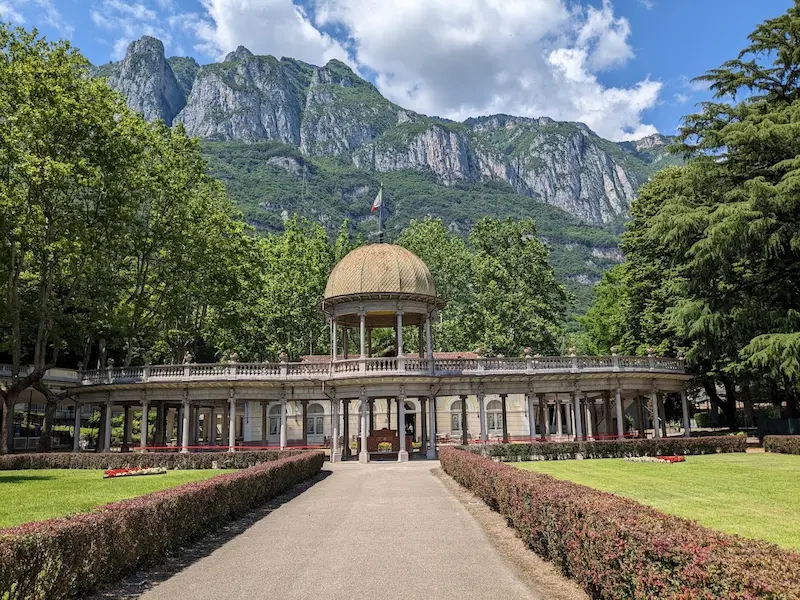
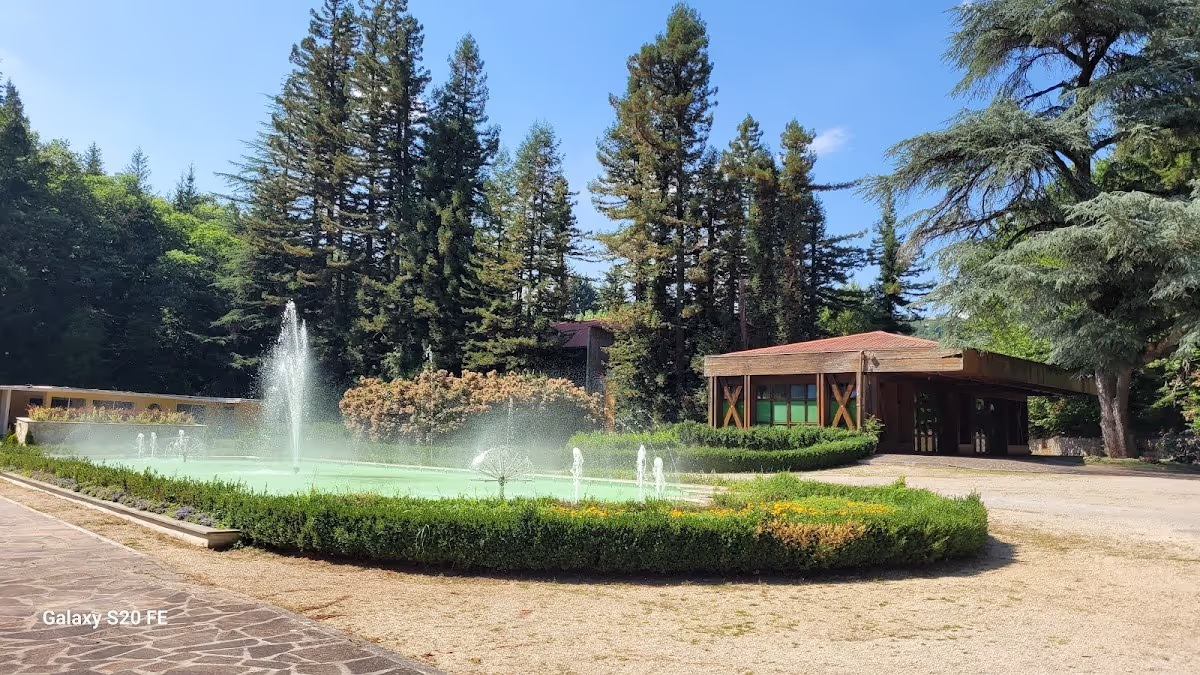
Terme di Fiuggi is a historic drinking cure resort in Fiuggi, Lazio, about 80 kilometres from Rome. Unlike most thermal spas, it is not a bathing facility. Visitors walk through two large wooded parks, Fonte Bonifacio VIII and Fonte Anticolana, drinking cold oligomineral spring water at 12.4 degrees from hundreds of fountains throughout the grounds. The water is scientifically documented to dissolve kidney stones and is NHS-recognised for urological treatment. Entry costs 8 euros for both parks.
Is the water at Fiuggi hot?
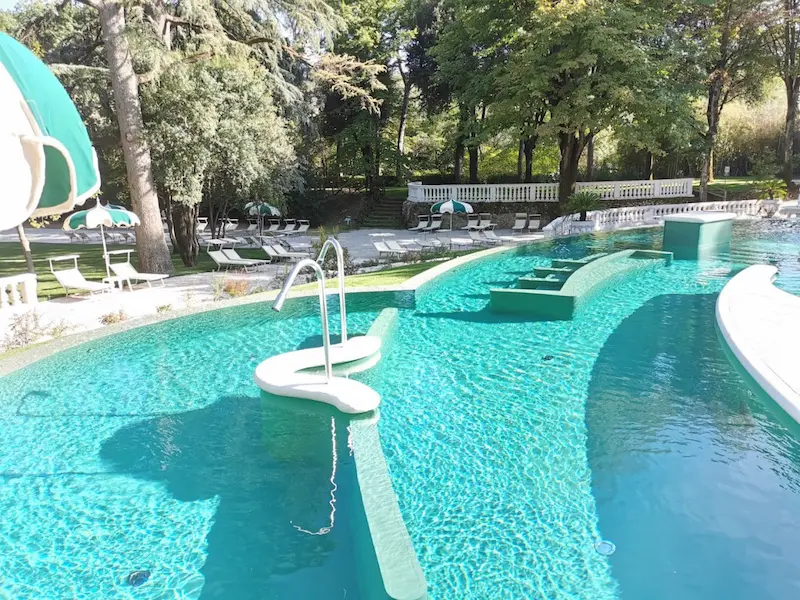
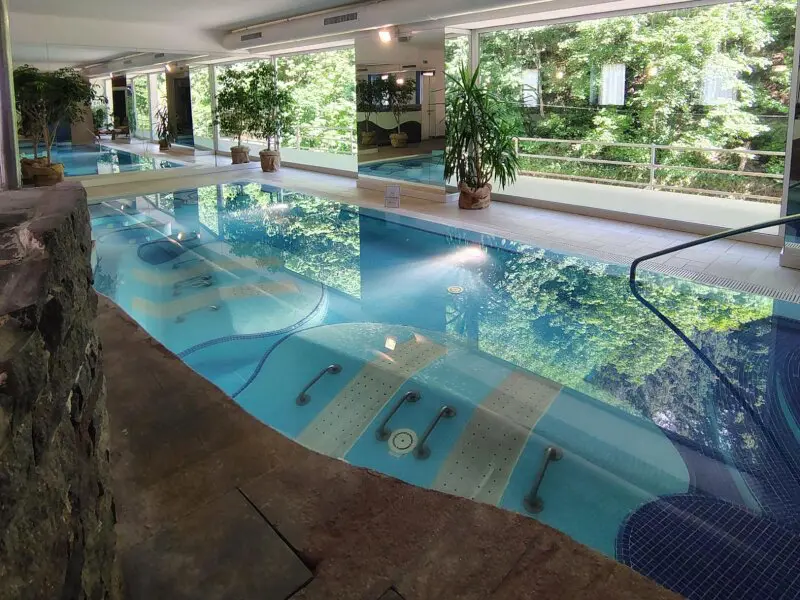
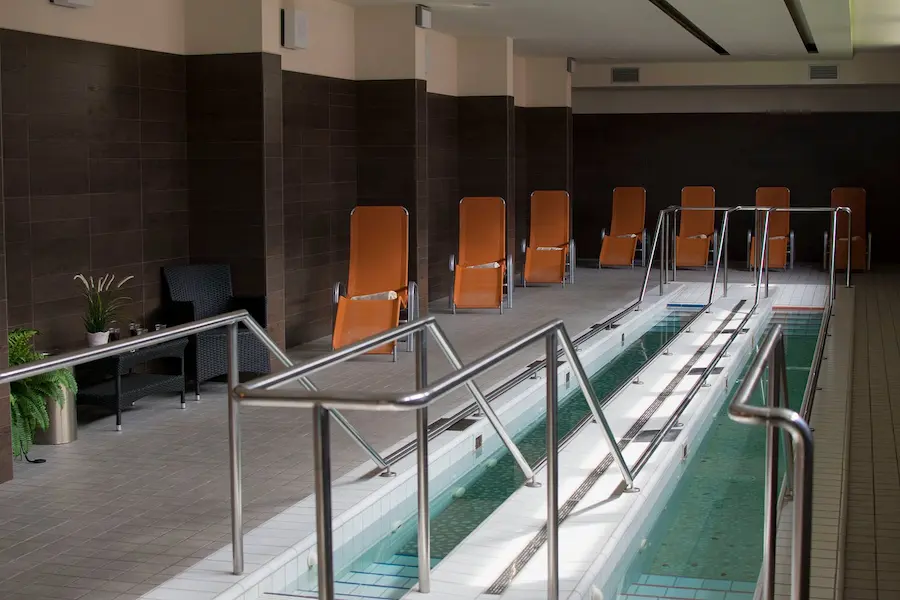
No. The water at Fiuggi flows at 12.4 degrees Celsius and is cold, not hot. This is a drinking cure (idropinoterapia) facility, not a thermal bathing spa. The therapeutic value lies in the water's unique mineral composition, particularly its humic and fulvic acids, which give it strong diuretic and stone-dissolving properties. There are no soaking pools at the Terme di Fiuggi parks. Hotels and spas in Fiuggi town offer separate bathing and wellness facilities using the same water.
Can Fiuggi water help with kidney stones?
Yes. Fiuggi water has been used for kidney stone treatment since at least the 14th century and is scientifically documented in Italian peer-reviewed research. Its content of humic and fulvic acids acts on calcium oxalate crystals, the most common form of kidney stone, reducing their formation and aiding their elimination. The NHS includes a course of Fiuggi idropinoterapia among covered thermal treatments for urolithiasis with a GP prescription. Michelangelo famously praised its effects in a 1549 letter.
What is the difference between the two Fiuggi parks?
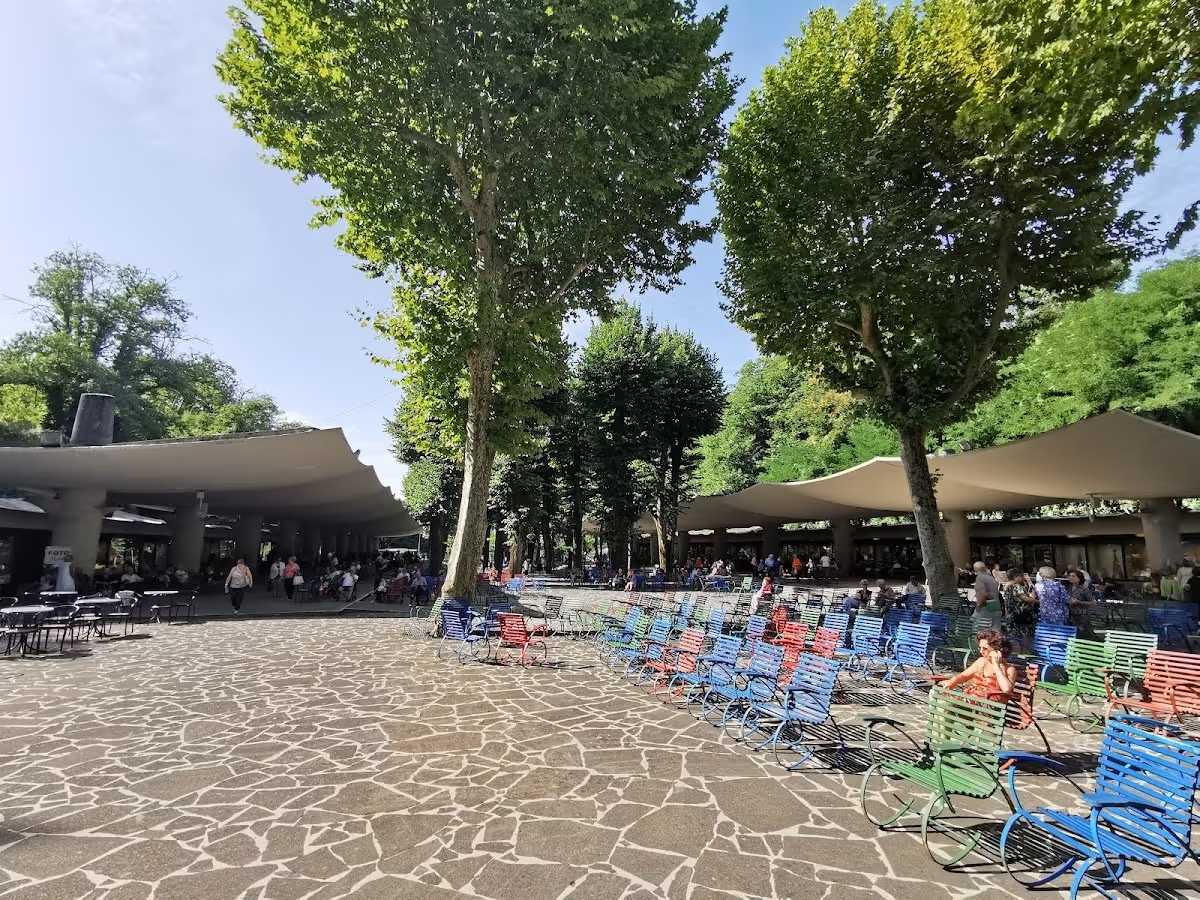
Fonte Bonifacio VIII is the older and more medically focused park, open year-round in two sessions: morning from 8:00 to 12:00 and afternoon from 15:30 to 19:30. The morning session is traditionally done on an empty stomach for maximum therapeutic benefit. It features the 1960s Luigi Moretti architecture, urological and ENT medical centres, and is restricted to those aged 15 and over. Fonte Anticolana is the larger seasonal park, open April to November from 10:00 to 19:00. It has a more recreational character, with sports facilities, a children's playground, an inhalation centre, and the Teatro delle Fonti for concerts and events.
How do I get to Fiuggi from Rome?
2026-09-21
Updated September 21, 2026
Terme di Fiuggi, Italy
Historic drinking cure parks near Rome renowned for cold oligomineral spring water that treats kidney stones. Two wooded parks. NHS recognised. 8 EUR entry.
Experience
Public Pools & Parks
Access Level
Easy to reach (no hike)
Safety Level
Generally safe
What to Wear
Clothing optional
Address
Piazzale Fonte Bonifacio VIII, 03014 Fiuggi (FR), Lazio, Italy
Find a place to stay
Compare prices near this exact spot across Booking.com, Expedia and more.
See nearby stays →
Overview
About Terme di Fiuggi
Terme di Fiuggi, Italy is a historic thermal resort in Fiuggi, in the Ernici Mountains of Lazio, approximately 80 kilometres southeast of Rome. Unlike most Italian terme, this is primarily a drinking cure (idropinoterapia) destination rather than a bathing spa. The spring water flows cold at 12.4 degrees Celsius and is dispensed at hundreds of drinking fountains throughout two large wooded parks. Visitors walk through the parks, taking the water at intervals according to a prescribed routine, rather than bathing in it.
The water is classified as oligomineral and is among the most scientifically documented therapeutic waters in Italy. Its humic and fulvic acids dissolve calcium oxalate kidney stones, explaining Michelangelo's 1549 description of the water that breaks the stone. Pope Boniface VIII used it for kidney stone treatment in the late 13th century; the more prominent of the two parks bears his name. The water is NHS-recognised for idropinoterapia for urolithiasis.
Fonte Bonifacio VIII is open year-round and features an Art Nouveau entry portal and a 1960s interior by architect Luigi Moretti. Fonte Anticolana is seasonal, open April to November, with sports facilities, a children's playground, an inhalation centre, and the Teatro delle Fonti.
Location & Access
Getting to Terme di Fiuggi
Terme di Fiuggi is in the lower town of Fiuggi Fonte, in the province of Frosinone. By car from Rome, take the A1 motorway south to the Anagni-Fiuggi Terme exit and continue on the SS Anticolana for approximately 19 kilometres to Fiuggi; the journey from Rome takes about one hour. Free and paid parking is available near the spring entrances in Fiuggi Fonte. Fiuggi is about 80 kilometres from Rome and about 50 kilometres from Frosinone.
By public transport, take the train from Roma Termini or Roma Ostiense to Anagni-Fiuggi Terme on the Roma-Napoli line, then a Cotral bus to Fiuggi. The total journey takes approximately 90 minutes. A direct Cotral coach service also connects Rome Termini station to Fiuggi directly. Once in town, Fonte Bonifacio VIII is walkable from the hotels of Fiuggi Fonte.
Fiuggi is a full spa town built around its springs, with a large supply of hotels at all price levels within walking distance of the parks. The upper medieval town of Fiuggi Citta, perched on the hill above, offers cobbled streets and views over the forested valleys. The Ernici Mountains provide a setting for walking and excursions. The area is part of the family hot springs near Rome circuit that includes Viterbo and other Lazio thermal destinations within 90 minutes of the capital.
Suitability & Accessibility
Who Terme di Fiuggi Suits
Terme di Fiuggi suits visitors seeking a medically recognised drinking cure for kidney stones, urinary tract conditions, or uric acid disorders. It also suits those wanting a gentle wellness holiday combining pleasant wooded park walks with restorative drinking water in a historic spa town. The experience is distinctly different from bathing at a thermal pool: visitors dress normally, walk through the parks at their own pace, and drink the water at intervals from the fountains. No swimwear is involved.
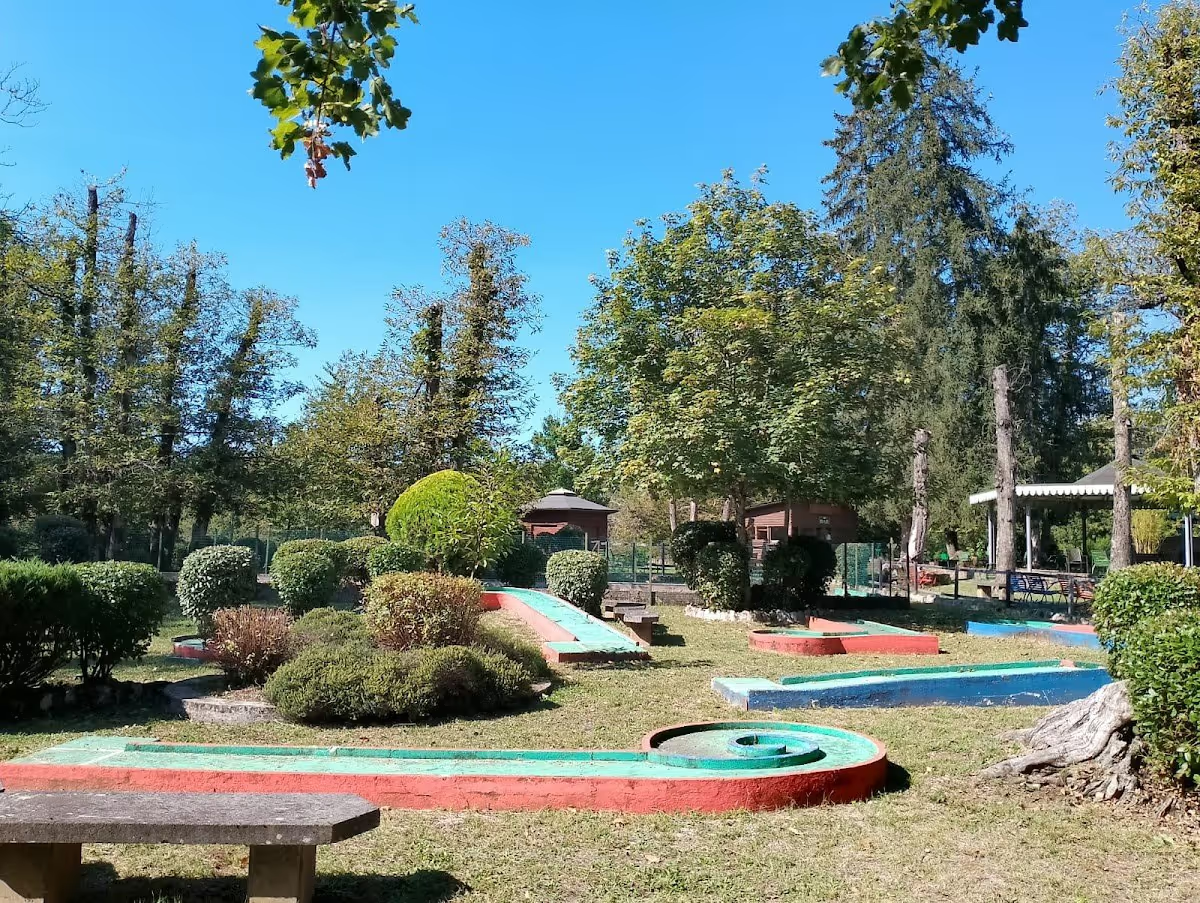
Families with children find the Fonte Anticolana park particularly suited to a full day visit, with tennis courts, bocce, minigolf, ping-pong, and a children's playground alongside the drinking fountains. Note that Fonte Bonifacio VIII is restricted to visitors aged 15 and over; those under 18 must be accompanied by an adult. The parks are at different levels with slopes and steps connecting the terraces, and at least one visitor report rates the terrain as not accessible for those with mobility limitations.
NHS-covered idropinoterapia requires a prescription from a GP specifying one of the qualifying urological conditions. Italian citizens receive a cycle of treatment covered by the NHS. The treatment protocol typically lasts 12 to 15 days with morning sessions on an empty stomach. Fonte Bonifacio VIII has urological and ENT medical centres on site for specialist consultations and examinations. Private treatment is available without a prescription.
Safety & Etiquette
Terme di Fiuggi Safety Tips
Terme di Fiuggi is a cold drinking water cure, not a thermal bathing facility, and the safety profile is very different from hot spring soaking. The spring water at 12.4 degrees Celsius is safe for most healthy adults and is used under the same NHS medical oversight as other Italian spa treatments. However, because the cure involves consuming significant volumes of water over short periods, it is important to follow the prescribed volume and timing advised by the on-site medical team. Drinking excessively beyond the recommended daily volume is not beneficial and may be counterproductive.
Those with heart failure, severe kidney disease, or sodium-restricted diets should consult their doctor before undertaking a drinking cure. Pregnant women should seek medical advice. The morning cure at Fonte Bonifacio VIII is traditionally conducted on an empty stomach; the afternoon session at Fonte Anticolana is less medically intense and more recreational in character.
The parks involve walking along wooded paths on sloping terrain with some steps. Wear comfortable walking shoes. The terrain is not reliably accessible for wheelchair users, despite the presence of elevators at Fonte Bonifacio VIII between the different levels. The parks are open-air and can be hot in summer; carry sun protection and additional water. Check current hours and entry prices on the official website acquafiuggi.com before visiting, as seasonal variations apply and the Fonte Anticolana park closes in winter.
Frequently Asked Questions
1
What is Terme di Fiuggi?
Terme di Fiuggi is a historic drinking cure resort in Fiuggi, Lazio, about 80 kilometres from Rome. Unlike most thermal spas, it is not a bathing facility. Visitors walk through two large wooded parks, Fonte Bonifacio VIII and Fonte Anticolana, drinking cold oligomineral spring water at 12.4 degrees from hundreds of fountains throughout the grounds. The water is scientifically documented to dissolve kidney stones and is NHS-recognised for urological treatment. Entry costs 8 euros for both parks.
2
Is the water at Fiuggi hot?
No. The water at Fiuggi flows at 12.4 degrees Celsius and is cold, not hot. This is a drinking cure (idropinoterapia) facility, not a thermal bathing spa. The therapeutic value lies in the water's unique mineral composition, particularly its humic and fulvic acids, which give it strong diuretic and stone-dissolving properties. There are no soaking pools at the Terme di Fiuggi parks. Hotels and spas in Fiuggi town offer separate bathing and wellness facilities using the same water.
3
Can Fiuggi water help with kidney stones?
Yes. Fiuggi water has been used for kidney stone treatment since at least the 14th century and is scientifically documented in Italian peer-reviewed research. Its content of humic and fulvic acids acts on calcium oxalate crystals, the most common form of kidney stone, reducing their formation and aiding their elimination. The NHS includes a course of Fiuggi idropinoterapia among covered thermal treatments for urolithiasis with a GP prescription. Michelangelo famously praised its effects in a 1549 letter.
4
What is the difference between the two Fiuggi parks?
Fonte Bonifacio VIII is the older and more medically focused park, open year-round in two sessions: morning from 8:00 to 12:00 and afternoon from 15:30 to 19:30. The morning session is traditionally done on an empty stomach for maximum therapeutic benefit. It features the 1960s Luigi Moretti architecture, urological and ENT medical centres, and is restricted to those aged 15 and over. Fonte Anticolana is the larger seasonal park, open April to November from 10:00 to 19:00. It has a more recreational character, with sports facilities, a children's playground, an inhalation centre, and the Teatro delle Fonti for concerts and events.
5
How do I get to Fiuggi from Rome?
By car from Rome, take the A1 motorway south and exit at Anagni-Fiuggi Terme, then follow the SS Anticolana for about 19 kilometres; the drive takes approximately one hour. By public transport, take a train from Roma Termini or Roma Ostiense to Anagni-Fiuggi Terme, then a Cotral bus to Fiuggi, for a total journey of about 90 minutes. A direct Cotral coach also runs from Rome Termini to Fiuggi. Once in Fiuggi Fonte, the parks are walkable from the hotels in the spa district.
Gallery
No pictures available for this hot spring.
Location
Address:
Piazzale Fonte Bonifacio VIII, 03014 Fiuggi (FR), Lazio, Italy
Find a place to stay
Compare prices near this exact spot across Booking.com, Expedia and more.
See nearby stays →
41.8
13.222
Terme di Fiuggi, Italy
Text LinkPiazzale Fonte Bonifacio VIII, 03014 Fiuggi (FR), Lazio, Italy
More hot springs in Italy
Some accommodation links on this site are affiliate links. If you book through them, we may earn a small commission at no additional cost to you. This helps keep hotspringsguides.com free to use.