Quick FactsOverview
Bagnaccio, Italy (also known as Terme del Bagnaccio or Parco Termale del Bagnaccio) is a thermal spring complex located approximately 8 kilometers northwest of Viterbo city center in the Lazio region of central Italy. The site is positioned directly on the ancient Via Cassia, the historic Roman road connecting Rome to northern Italy that remains a major route today (though the modern Via Cassia highway runs approximately 1 kilometer east of the thermal site). Bagnaccio is one of several thermal spring areas in the Viterbo countryside, part of the extensive volcanic hydrothermal basin that feeds thermal waters throughout the territory. The name "Bagnaccio" derives from the Italian word "bagno" meaning bath or bathing place, with the suffix indicating a place associated with bathing activities.
The thermal springs at Bagnaccio have been known and utilized since ancient times. Archaeological evidence indicates Etruscan use of the springs before Roman occupation. During the Roman period, substantial bath complexes were constructed at the site. The ruins of these ancient Roman thermal baths, known as the Terme del Bacucco or Bacucco baths, remain visible at the location. The ruins include stone foundations, walls, and structural remnants of bathing chambers that date to the classical Roman era. The presence of elaborate Roman bath architecture demonstrates the importance and popularity of the Bagnaccio thermal waters during antiquity. The springs were recorded in Renaissance-era drawings, including sketches attributed to Michelangelo held in the Lille museum collection, documenting the site's continued significance during the 15th and 16th centuries.
During the medieval period, Bagnaccio was a significant stopping point along the Via Francigena, the pilgrimage route from Canterbury to Rome. Pilgrims, merchants, and travelers used the thermal springs for rest and recuperation during their journeys. The strategic location on the Via Cassia ensured steady traffic and sustained use of the springs throughout the Middle Ages. Historical documents from medieval Viterbo record regulations and ordinances related to the thermal springs, indicating municipal oversight of the bathing areas. The springs continued to be valued for therapeutic and recreational bathing through subsequent centuries, though periods of greater and lesser development occurred depending on political and economic conditions in the Viterbo region.
The thermal area at Bagnaccio is characterized by multiple spring sources with different water characteristics. The site includes both hyperthermal springs with water temperatures ranging from 65 to 66 degrees Celsius and hypothermal springs with cooler water temperatures ranging from 23 to 29 degrees Celsius. This diversity of temperatures allows visitors to experience contrasting thermal effects within a single site. Some springs also emit gases including carbon dioxide and hydrogen sulphide, which are sometimes used for therapeutic insufflation (breathing treatments) traditionally associated with respiratory benefits. The water is rich in minerals including sulphur, magnesium, calcium, and trace elements, with sulphureous-sulphate-bicarbonate composition similar to other Viterbo thermal springs.
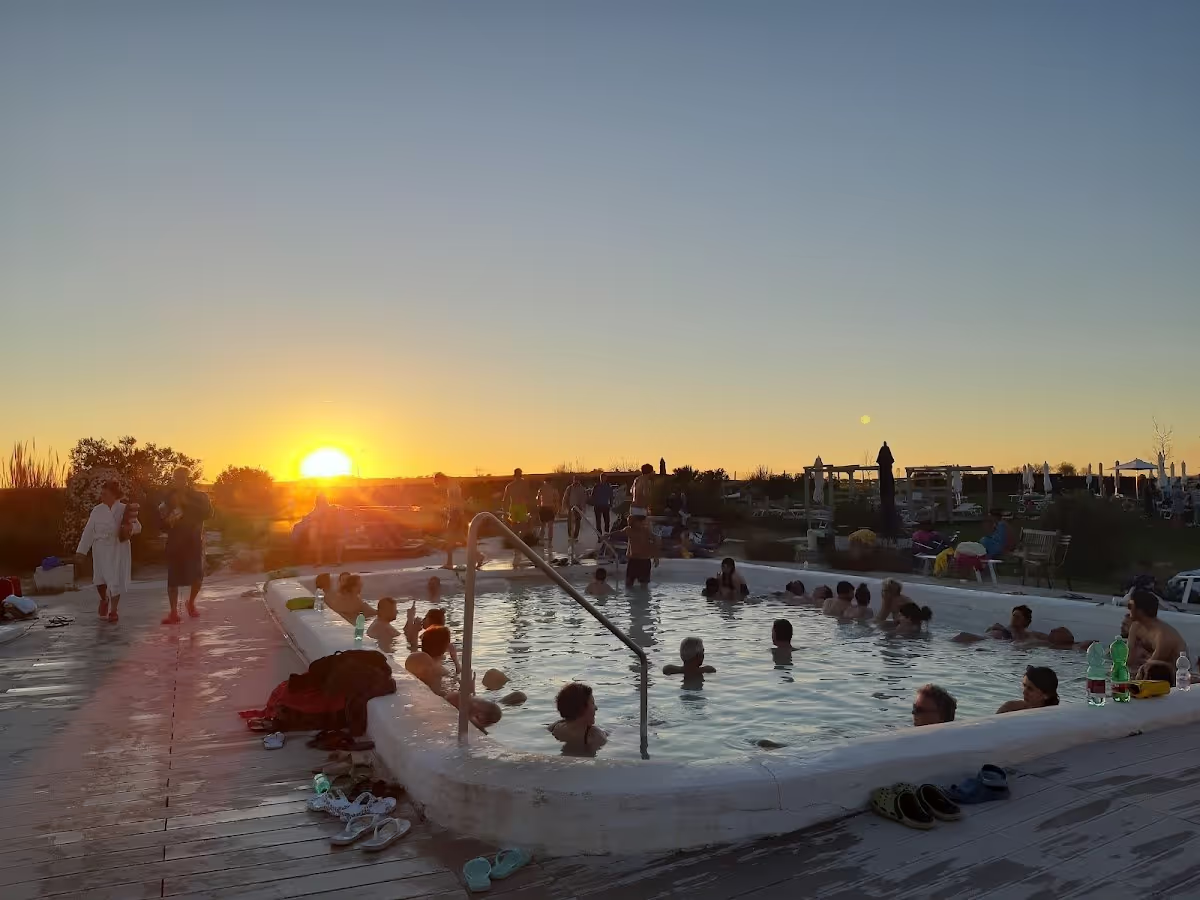
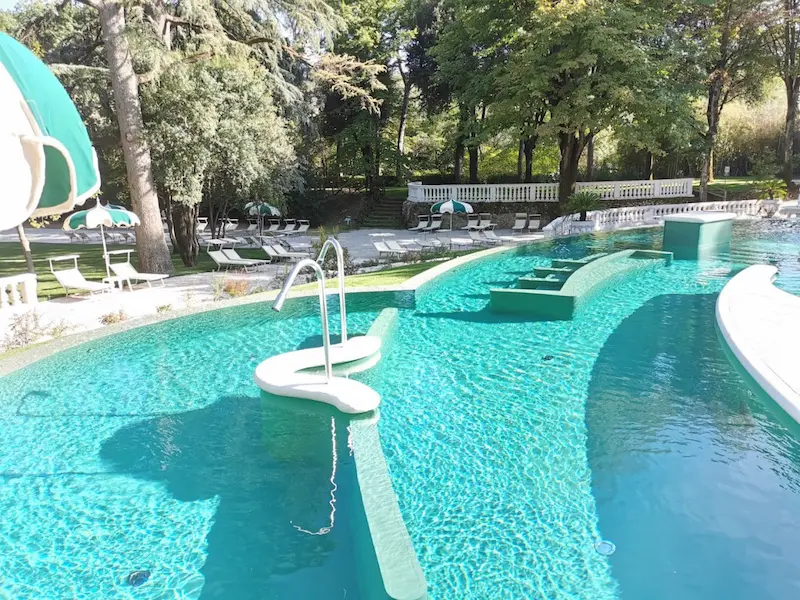
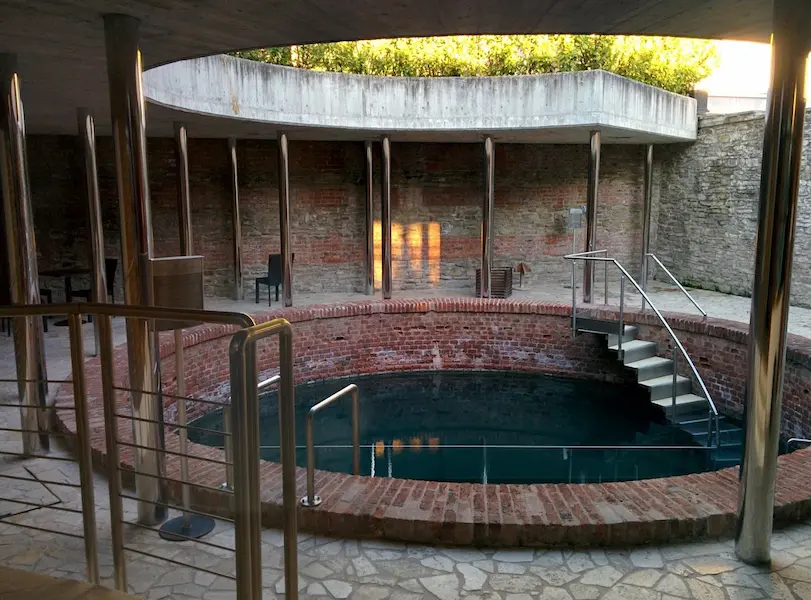
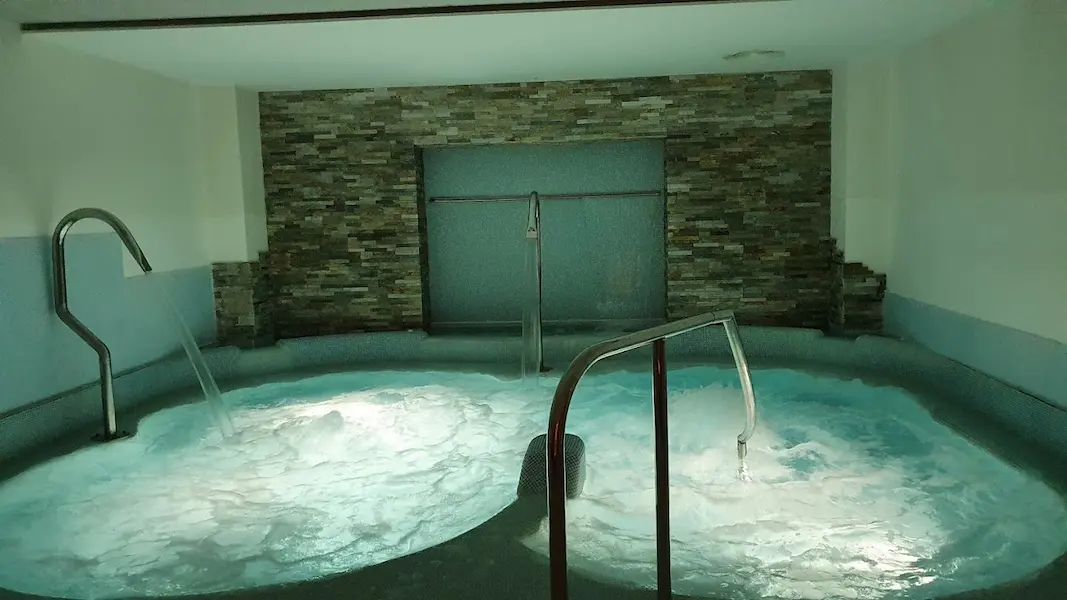
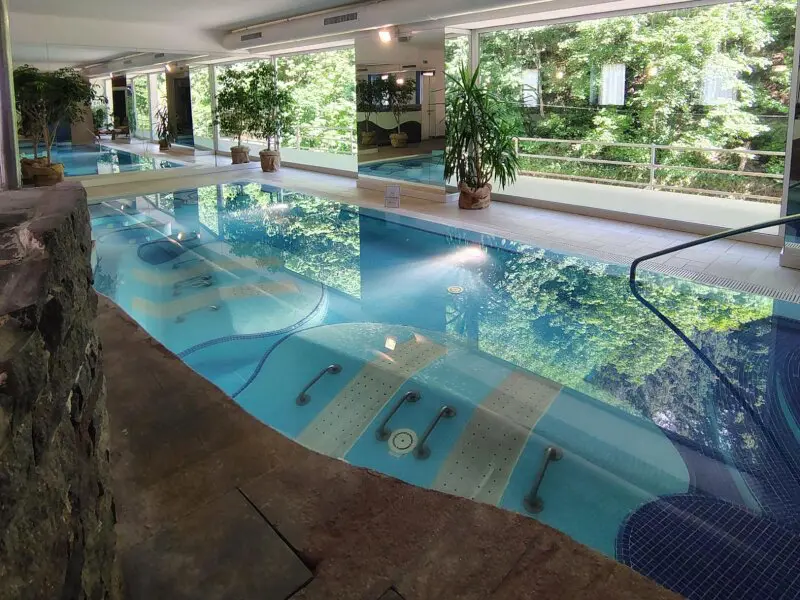
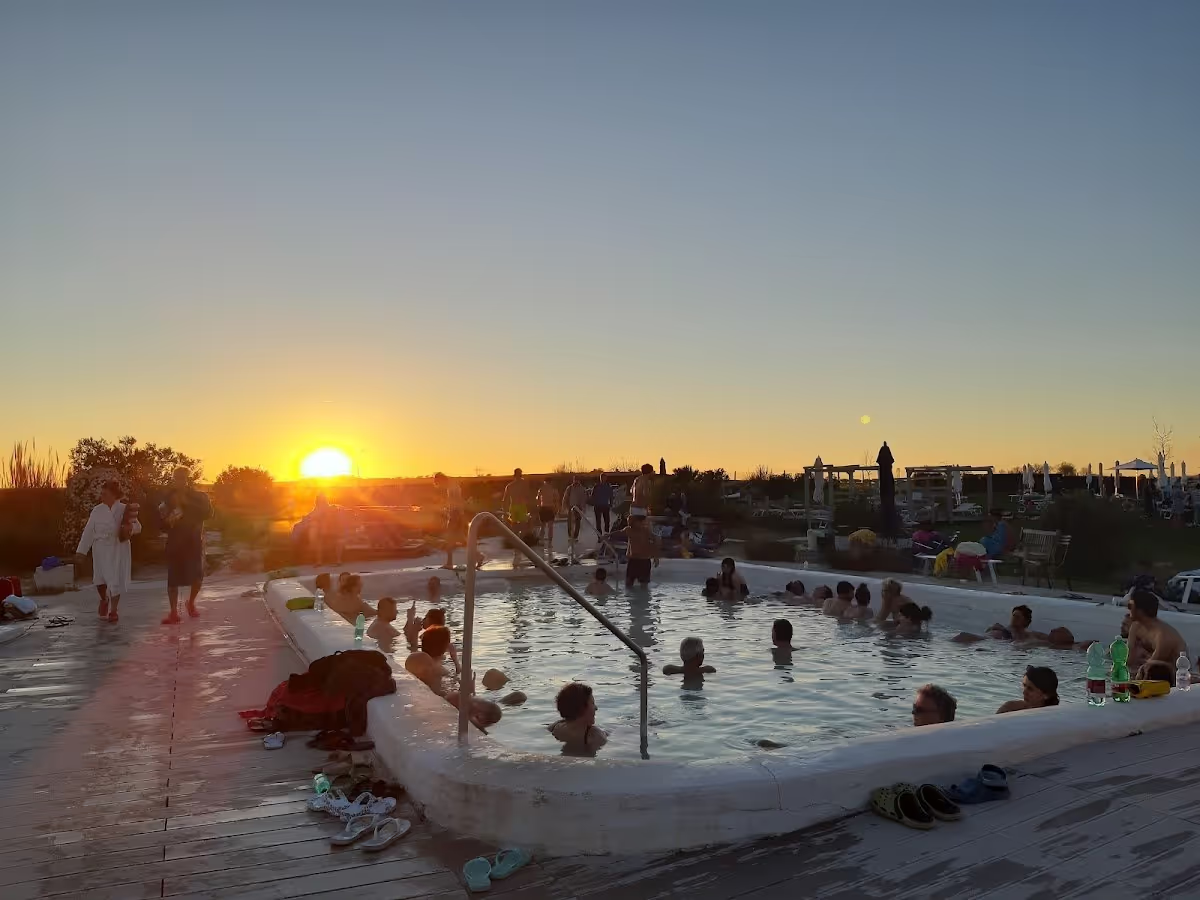
The bathing complex features 5 to 6 pools of varying sizes and temperatures, fed by the different spring sources. The pools are constructed with stone and concrete to contain the thermal water while maintaining a naturalistic appearance integrated into the countryside landscape. Pool temperatures vary significantly, allowing visitors to select pools matching their heat tolerance and therapeutic goals or to move between hot and cool pools for contrast therapy. The warmest pools receive water from the hyperthermal sources and maintain temperatures approaching 60 degrees Celsius or higher. The coolest pools are fed by hypothermal sources at temperatures in the mid-20s Celsius, providing refreshing bathing. Intermediate-temperature pools offer moderate heat suitable for extended soaking. The ability to access multiple temperature zones within a single thermal site is a distinctive feature of Bagnaccio compared to single-temperature springs.
Location & Access
Bagnaccio is located approximately 8 kilometers northwest of Viterbo city center on the ancient Via Cassia. By car from Viterbo, take State Road 2 (Via Cassia) heading north toward Montefiascone. At a large Eni service station on the outskirts of Viterbo, turn onto Provincial Road 7. Travelers coming from Viterbo will find this turn on the left just after passing a local supermarket. Travelers approaching from the north (from Tuscany direction) should turn right onto Provincial Road 7 shortly after passing the Fiera di Viterbo (Viterbo fairgrounds) complex on the left. Once on Provincial Road 7, continue for approximately 1 kilometer, then turn left onto a dirt road (strada bianca or white road) identified by signs for Bagnaccio. Follow this unpaved road for approximately 2 kilometers through countryside until reaching a large grassy clearing where the thermal park is located. The final approach road is narrow, unpaved, and can be rough with potholes, requiring careful driving, particularly after rain. Free parking is available in the clearing adjacent to the thermal pools.
By car from Rome, take the A1 Autostrada north toward Florence and exit at Orte. From Orte, follow signs for Viterbo on the SS675 and then SS2 Via Cassia toward Viterbo. Approaching Viterbo from the south, watch for the Eni service station and Provincial Road 7 turn as described above. The drive from Rome takes approximately 1.5 to 2 hours depending on traffic. By train, regional trains operate from Roma Termini to Viterbo Porta Fiorentina station with journey time of approximately 2 hours. From Viterbo train station, Bagnaccio is approximately 10 kilometers away. Public transport options to reach the springs from Viterbo are limited. Taxis are available in Viterbo and provide the most direct access. Rental cars or ride-sharing services can be arranged. Bus service to the immediate area is sparse and unreliable, making public transport impractical for reaching Bagnaccio without a vehicle.
The site is positioned in rural countryside surrounded by farmland and natural areas. The location provides a peaceful environment with views across the Viterbo countryside toward the city skyline. The distance from urban areas and the unpaved final approach road create a sense of remoteness and natural setting, though the springs are not difficult to reach by car. The site attracts both local Viterbo residents who use the springs regularly and tourists seeking thermal bathing experiences. The springs are accessible to Via Francigena pilgrims walking the historic route, who receive free entry (traditionally pilgrims were granted access to the springs without charge as a continuation of medieval hospitality customs). The thermal park operates year-round with seasonal variations in hours. Summer hours typically extend until 10pm on weekdays and 11:30pm on weekends. Winter hours are shorter. Verify current operating hours before visiting, as schedules change seasonally and can be affected by weather or maintenance.
Important operational note: The Bagnaccio thermal park experienced temporary closures during 2022, 2023, and into 2024 due to bureaucratic issues related to licensing, facility upgrades, and regulatory compliance. The site has a history of periodic closures and reopenings related to management changes, municipal regulations, and infrastructure requirements. Rumors of temporary reopening in January 2024 circulated but were not confirmed. As of late 2025, some sources indicate the facility has reopened under private management with improved facilities and regular operations, while other reports suggest ongoing bureaucratic challenges. Prospective visitors should verify current operational status through recent reviews, local tourist information, or by contacting Viterbo tourism offices before making plans to visit. The uncertainty around operational status has been frustrating for regular users who valued the facility for health and therapeutic benefits at an affordable price point compared to commercial spa resorts.
Suitability & Accessibility
Bagnaccio suits visitors seeking a thermal bathing experience with access to multiple temperature pools in a natural countryside setting with historical significance. The facility is appropriate for families with children, adults, couples, and groups who enjoy outdoor thermal bathing. The variety of pool temperatures accommodates different heat tolerances and allows guests to customize their thermal experience by moving between hot, warm, and cool pools. The hyperthermal pools approaching 60 to 65 degrees Celsius are very hot and suitable only for heat-tolerant adults for limited duration. The hypothermal pools in the 23 to 29 degree Celsius range provide refreshing bathing similar to regular swimming pool temperatures. Intermediate-temperature pools offer comfortable long-duration soaking. Children should be supervised and limited to pools with moderate temperatures appropriate for their age and size.
The site is not wheelchair accessible. The final approach road is an unpaved dirt track with rough, uneven surface. The thermal park is accessed across grassy clearing and natural terrain. Pool entry typically involves stone or concrete edges without handrails or accessibility features. The facility does provide basic amenities including changing rooms, toilets, and showers, which is an improvement over completely undeveloped free springs like Bullicame. However, these facilities are basic and may not meet modern accessibility standards. Visitors with mobility limitations should contact the facility to inquire about specific accessibility features and assistance availability. The site receives regular local users from Viterbo and surrounding areas who visit for health and relaxation. The atmosphere is community-oriented and casual rather than luxury resort-style. The multiple pools create social spaces where visitors relax, converse, and enjoy the thermal waters in a laid-back outdoor environment.
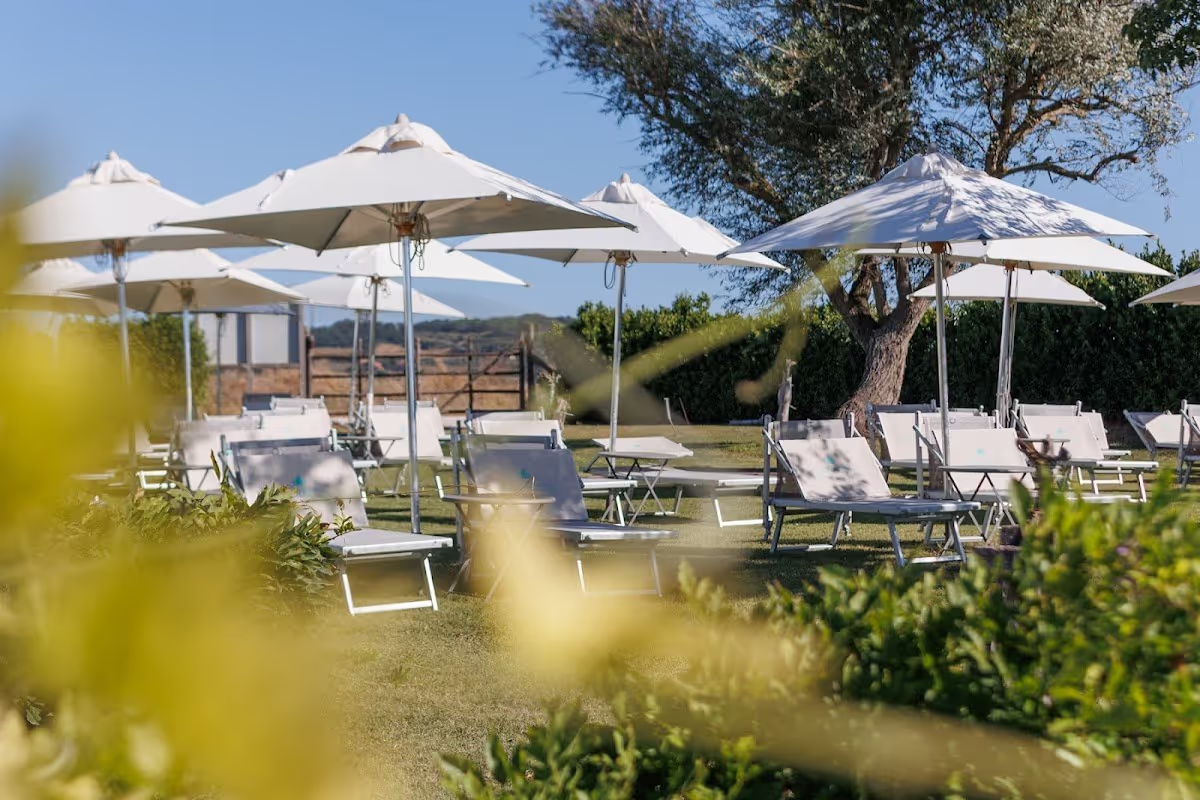
The facility includes a small botanical garden preserving local flora and fauna, providing educational interest and natural beauty beyond just the thermal pools. Picnic areas with tables and benches are available, allowing visitors to bring food and spend extended time at the site. The combination of thermal bathing, picnic facilities, and garden areas makes Bagnaccio suitable for full-day visits particularly during pleasant weather seasons. Sunbeds and umbrellas are available for rent (approximately 15 euros per person on Saturdays, with pricing varying by day and season). Outside food and beverages can be brought in, though a small on-site kiosk or bar may sell drinks and snacks during peak season (verify current food service availability). The entry fee is considered affordable at 5 to 7 euros per person for day admission according to recent visitor reports, though some sources indicate pricing as high as 12 euros depending on time of visit and season. This pricing positions Bagnaccio as a low-cost thermal option compared to full-service commercial spas that charge 15 to 30 euros or more for admission.
The facility is popular for night bathing, particularly on weekends when the thermal park remains open until 11:30pm. Soaking in thermal pools under stars is a romantic and unique experience. Evening visits also avoid the heat of summer days and can be less crowded than afternoon peak times. The extended hours make Bagnaccio particularly appealing for visitors seeking after-dark thermal bathing unavailable at springs with earlier closing times. The site attracted praise from regular users for cleanliness and maintenance under recent private management, with pools drained and refilled nightly with fresh thermal water and grounds kept in good condition. However, operational uncertainty due to closures and regulatory issues during 2022 to 2024 has created frustration. Prospective visitors are strongly advised to verify current operational status, confirm opening hours, and check pricing before traveling to the site to avoid disappointment if the facility is closed or operating on limited schedule.
Safety & Etiquette
Bagnaccio Safety Tips
Bagnaccio is generally safe when thermal waters are used appropriately and facility rules are followed. The thermal pools have varying temperatures ranging from approximately 23 degrees Celsius in the coolest hypothermal pools to 65 to 66 degrees Celsius in the hottest hyperthermal pools. The highest temperature pools are extremely hot and can cause burns or cardiovascular stress if used improperly. Test water temperature before entering any pool. Start with moderate-temperature pools and assess personal heat tolerance before attempting the hottest pools. Limit time in very hot pools to 10 to 15 minutes per session, exit to cool down, and repeat as tolerated. Prolonged exposure to very hot water can cause overheating, dizziness, nausea, fainting, rapid heartbeat, and dehydration. Exit immediately if experiencing these symptoms.
Hydration is critical during thermal bathing. Drink water regularly before, during, and after pool use. The combination of hot water and hot weather (particularly in summer) accelerates fluid loss. Bring adequate drinking water or purchase beverages from on-site kiosks if available. Alcohol consumption before or during thermal bathing increases dehydration and impairs judgment, creating safety risks. Limit alcohol use and never bathe while intoxicated. Pregnant women, elderly individuals, and people with cardiovascular conditions, high blood pressure, diabetes, respiratory issues, or heat sensitivity should consult medical professionals before using thermal waters, particularly the hottest pools. The extreme temperatures can stress the cardiovascular and respiratory systems and are not recommended for individuals with pre-existing conditions.
Children should be supervised at all times. Pool depths vary and the mineral-rich water can be cloudy, making it difficult to see the bottom. Ensure children can swim and follow safety instructions. Keep children in pools with moderate temperatures appropriate for their age and size. The very hot hyperthermal pools are not safe for young children. No lifeguards may be present in all pool areas. Adults are responsible for their own safety and that of any children in their care. Pool surfaces and surrounding areas can be slippery due to mineral deposits and water splash. Wear appropriate non-slip footwear when walking between pools and facilities. Move carefully to avoid slips and falls.
People with open wounds, skin infections, or contagious conditions should not use shared thermal pools. The pools are used by multiple visitors and infections can spread in shared bathing environments. The sulphurous water may irritate broken skin. Individuals with sulphur allergies or sensitivities should avoid or limit exposure to the thermal waters. The water has a characteristic sulphur odor indicating high mineral content that can cause reactions in sensitive people. Gas emissions from some springs include carbon dioxide and hydrogen sulphide. While these gases dissipate quickly in the open-air environment, avoid prolonged inhalation of concentrated fumes near spring vents. In enclosed or poorly ventilated areas, gas accumulation could cause respiratory irritation or oxygen displacement, though this is not typically a concern in the open pool areas.
The facility provides changing rooms, toilets, and showers, reducing some health and safety concerns compared to completely undeveloped springs. Use these facilities to rinse off before and after thermal bathing. However, basic facilities may not be maintained to luxury spa standards. Check cleanliness and report maintenance issues to staff. The pools are drained and refilled with fresh thermal water nightly under recent private management protocols, improving water quality and hygiene. However, the pools are not chlorinated or chemically treated like modern swimming pools. Water quality depends on natural mineral content, thermal flow, and maintenance cleaning schedules. Users should exercise reasonable hygiene and avoid submerging heads or swallowing water.
The site is located in countryside accessed by an unpaved dirt road. Drive carefully on the final approach, particularly after rain when the road can be muddy, rutted, or have large puddles. The parking area is a grassy clearing that can become soft and muddy in wet conditions. Park sensibly to avoid getting stuck. Do not leave valuables visible in vehicles. While the site has free parking, it is not guarded and theft can occur. Secure valuables or leave them at accommodations. The thermal park operates with staff on-site during open hours who monitor the facility and can provide assistance. However, in case of serious medical emergency, call 118 for medical services or 112 for general emergency response. The nearest hospital is in Viterbo approximately 8 to 10 kilometers away. Emergency response times are extended in rural locations. Mobile phone coverage is generally available but may be intermittent. Inform someone of your plans before visiting isolated thermal sites.
The facility experienced closures during 2022 to 2024 due to bureaucratic issues. Even when reportedly open, occasional temporary closures for maintenance, regulatory compliance, or unforeseen issues can occur. Verify current operational status before traveling to Bagnaccio to avoid wasted trips. Check recent online reviews, contact Viterbo tourist information offices, or call ahead if contact information is available. The unpredictability of operations has been a source of frustration for regular users who relied on the facility for affordable therapeutic thermal bathing. The closure situation has improved with reports of reopening under private management in late 2024 or 2025, but visitors should confirm before making travel plans. Night bathing is available on weekends with the facility open until 11:30pm. Evening and nighttime use should follow all daytime safety guidelines. Ensure adequate lighting when moving between pools and facilities. Avoid overheating in hot pools when cooler evening air creates less natural cooling stimulus. The contrast between hot pools and cool night air can be pleasant but also carries risks of rapid temperature change affecting circulation and breathing.