Bagni di Lucca, Italy
Historic 19th-century European spa resort in Lima Valley with natural thermal springs, Victorian-era facilities, and Alpine Tuscan mountain setting north of Lucca.
Via Bagni Caldi, 55022 Bagni di Lucca (LU)
Lucca
IT
44.0109
10.5917
Resorts & Spas
Paid
Easy to reach (no hike)
Generally safe
Swimsuit required
true
true
Europe
bagni-di-lucca-italy
Why was Bagni di Lucca popular with English visitors?
Bagni di Lucca became immensely popular with English visitors during the 19th century, earning the nickname "Switzerland of Tuscany" from the English community. The town combined Alpine mountain scenery with Italian climate, thermal waters, and cultural amenities. English patronage was so significant that the community built a Protestant English Church (completed in 1840, a neo-Gothic structure designed by Colonel Stisted) and an English cemetery. Famous English literary figures including Lord Byron, Percy Bysshe Shelley, and other poets and writers visited and resided in Bagni di Lucca. The town offered fashionable spa society, casino entertainment, elegant villas, and mountain walks that appealed to English aristocracy and wealthy travelers on Grand Tours of Europe.
What are the Grottos of Bagni di Lucca?
The grottos of Bagni di Lucca are natural vapor caves carved into the Corsena hillside where thermal spring gases create natural steam environments. The two main grottos are Grotta Paolina and Grotta Grande. These grottos provide therapeutic steam bathing with temperatures reaching 40 to 47 degrees Celsius and humidity approaching 100 percent. The natural heat and moisture are beneficial for respiratory conditions, skin health, and muscle relaxation. The grottos are accessed via the Terme Jean Varraud thermal facility at Bagni Caldi. They represent a unique aspect of the spa experience, preserving centuries-old bathing traditions where visitors entered natural caves for vapor therapy rather than only soaking in water pools.
What is the water temperature at Bagni di Lucca?
The thermal springs of Bagni di Lucca emerge at varying temperatures ranging from 36 to 54 degrees Celsius (97 to 129 degrees Fahrenheit) depending on the specific spring source. The water is classified as sulphate-bicarbonate-calcium composition with carbonic acid gas content. The spa facility regulates temperatures in individual bathing tubs and pools to safe therapeutic levels, typically maintaining waters between 36 and 42 degrees Celsius for comfortable soaking. The hottest waters approaching 54°C are cooled before use in bathing facilities to prevent burns. The natural vapor grottos reach temperatures of 40 to 47°C with very high humidity, creating intense steam environments distinct from water bathing.
What can you visit near Bagni di Lucca?
Is Bagni di Lucca open year-round?
Yes, the Terme Jean Varraud thermal facility at Bagni di Lucca operates year-round with seasonal variations in hours and services. The thermal waters and spa facilities are available in all seasons. The town's mountain location makes it particularly pleasant in spring (April to June) and autumn (September to October) when temperatures are mild and forests display seasonal colors including chestnut tree foliage. Summer (July to August) attracts visitors seeking cooler mountain air compared to hot Tuscan plains. Winter (November to March) offers a quieter experience with fewer tourists, though mountain weather can be cold and rainy. The historic architecture, museums, Teatro Accademico theater, restaurants, and cultural sites are accessible throughout the year. Advance booking is recommended for thermal spa visits particularly during summer peak season and weekends.

Bagni di Lucca, Italy

Historic 19th-century European spa resort in Lima Valley with natural thermal springs, Victorian-era facilities, and Alpine Tuscan mountain setting north of Lucca.
Quick Facts
Experience
Resorts & Spas
Access Level
Easy to reach (no hike)
Safety Level
Generally safe
What to Wear
Swimsuit required
Family Friendly
Yes
Entry Fee
Paid
Wheelchair Access
Yes
Address
Via Bagni Caldi, 55022 Bagni di Lucca (LU)

Overview

Bagni di Lucca, Italy is a spa town and comune in the province of Lucca in northern Tuscany, located in the Lima Valley approximately 25 kilometers north of Lucca city and 60 kilometers northwest of Florence. The municipality encompasses 27 named frazioni (hamlets and villages) spread across wooded hills and river valleys in the foothills of the Apennine Mountains. The elevation ranges from approximately 150 meters above sea level in the valley floor to over 800 meters in surrounding hillsides. The main settlements are Fornoli (the most populated area where the railway station is located), Ponte a Serraglio (the principal village along the banks of the Serchio River), La Villa (the commercial center with shops and hotels), and Bagni Caldi (the historic thermal bathing village in the hills above Ponte a Serraglio). The area is characterized by chestnut forests, steep wooded slopes, narrow river valleys, stone bridges crossing fast-flowing streams, and traditional Tuscan mountain architecture.

The thermal springs of Bagni di Lucca have been known since Etruscan times (before 500 BCE) and were extensively utilized by the Romans, though the springs do not appear in surviving Roman historical documents. The earliest official written record dates to 983 CE when the area was referred to as "Corsena" in a document recording a donation by Bishop Teudogrimo. The medieval name was Bagno a Corsena, after the Corsena hill from which the thermal waters emerge. During the medieval period, the springs gained renown during the rule of Countess Matilda of Canossa in the 11th and 12th centuries. Historical accounts from 1284 by Pisan historian Guidone de Corvaia document the springs' existence and use. In 1569, the anatomist Fallopius (Gabriele Falloppio) praised the springs in medical writings, crediting them with curing his own deafness and promoting their therapeutic properties to European medical circles. The springs have been in continuous use for healing purposes since at least the Renaissance period.

Bagni di Lucca reached its greatest fame and development during the 19th century, particularly during the French occupation of Tuscany in the Napoleonic era. The town became the summer residence of Napoleon's court and his sister Elisa Baciocchi, who ruled as Grand Duchess of Tuscany. During her rule, significant infrastructure was built including a casino (one of Europe's first), a grand ballroom for dances, elegant villas, promenades, and improved spa facilities. The casino introduced gambling and social nightlife that made Bagni di Lucca a fashionable destination for European nobility and wealthy travelers. After the Congress of Vienna in 1814, the Duchy of Lucca was assigned to Maria Luisa of Bourbon. The town continued as a popular summer resort, particularly attracting English visitors who called the area the "Switzerland of Tuscany" for its Alpine character combined with Italian climate and culture. The English community built a Protestant church (English Church) in 1840, which still stands as a neo-Gothic structure. An English cemetery was also established. The town hosted numerous famous visitors including poets Lord Byron and Percy Bysshe Shelley, composers, diplomats, and aristocrats from across Europe who came to "take the waters" for health and social reasons.

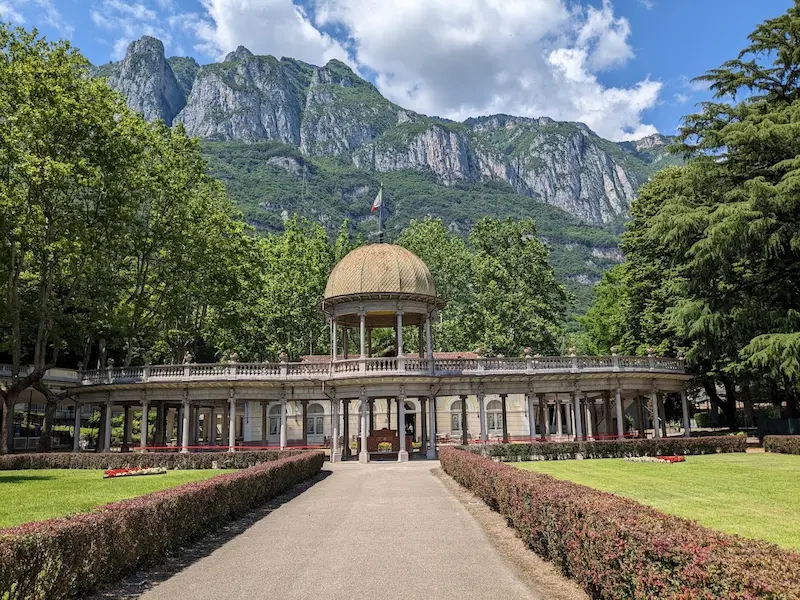
In 1847, Lucca and Bagni di Lucca were ceded to the Grand Duchy of Tuscany under Grand Duke Leopold II of Lorraine. His more secluded lifestyle resulted in reduced patronage and a period of decline for the spa resort. The casino closed in 1853. After Italian unification in 1861, when Lucca became part of the Kingdom of Italy, the casino reopened and the town experienced renewed but more modest tourism. The 20th century brought changes as coastal beach resorts gained popularity and mountain spa towns declined. Bagni di Lucca maintained thermal bathing traditions but lost its status as a premiere European destination. Today, the town preserves significant 19th-century architecture including the Teatro Accademico (theater from 1790), the Casino Municipale building (now used for exhibitions), Ponte delle Catene (Chain Bridge designed by architect Lorenzo Nottolini, one of Europe's oldest standing iron suspension bridges), historic villas, gardens, churches, and the original thermal establishment buildings.

Location & Access

Bagni di Lucca is located in northern Tuscany approximately 25 kilometers north of Lucca city and 60 kilometers northwest of Florence. By car from Florence, take the A11 Autostrada toward Pisa and exit at Lucca. From Lucca, follow the SS12 (Via del Brennero) north along the Serchio River valley through Borgo a Mozzano toward Bagni di Lucca. The drive takes approximately 30 to 40 minutes from Lucca. From Pisa, drive east on the A11 toward Florence, exit at Lucca, then follow the SS12 north. The drive from Pisa takes approximately 1 hour to 1 hour 15 minutes. By car from Rome, take the A1 Autostrada north toward Florence, continue on the A11 toward Pisa, exit at Lucca, then follow the SS12 north. The drive takes approximately 3.5 to 4 hours. Parking is available throughout the town in Fornoli, Ponte a Serraglio, and La Villa, with some free street parking and some paid zones.

By train, regional trains operate on the Lucca-Aulla line with stops at Fornoli station (officially called Bagni di Lucca station despite being located in Fornoli hamlet, not the main town center). Trains connect to Lucca (approximately 30 to 40 minutes), Pisa (change at Lucca, total journey approximately 1.5 to 2 hours), and Florence (change at Lucca or Pisa, total journey approximately 2 to 2.5 hours). From Fornoli station, the town center of Ponte a Serraglio and La Villa are approximately 1 to 2 kilometers away and accessible by local bus, taxi, or walking. Bus service within Bagni di Lucca connects the various villages and hamlets. Verify current train and bus schedules before traveling, as service can be infrequent particularly on weekends and holidays.

By air, the nearest airports are Pisa International Airport (Galileo Galilei) approximately 55 to 60 kilometers southwest (1 hour to 1 hour 15 minutes by car), and Florence Airport (Peretola) approximately 90 kilometers southeast (1 hour 30 minutes by car). From Pisa Airport, rental cars are available or take a shuttle/taxi to Pisa Centrale train station and continue by train to Lucca and then to Bagni di Lucca. From Florence Airport, rental cars are available or take a shuttle/taxi to Florence Santa Maria Novella station and continue by train via Lucca. Private transfers can be arranged from airports directly to Bagni di Lucca. The scenic drive from either airport passes through Tuscan countryside, river valleys, and wooded mountains.

The main thermal facility is Terme Jean Varraud (also called Terme Bagni di Lucca), located in the Bagni Caldi village in the hills above Ponte a Serraglio. From Ponte a Serraglio, follow Via Bagni Caldi uphill for approximately 2 kilometers (easily accessible by car, taxi, or walking for those with moderate fitness). The thermal complex includes historic 19th-century buildings, the natural vapor grottos (Grotta Paolina and Grotta Grande), marble bathing tubs, modern spa facilities, and a wellness center. The thermal establishment operates year-round with seasonal variations in hours. Advance booking is recommended for spa treatments and thermal baths, particularly during peak summer season and weekends. The facility offers various packages including day passes for thermal baths, multi-day spa treatments, massage services, and wellness programs. Entry fees range from approximately 20 to 50 euros per person for basic thermal bathing, with additional costs for treatments and massages. Some Bagni di Lucca hotels including Hotel Terme Bagni di Lucca provide spa access to guests and day visitors.

Suitability & Accessibility

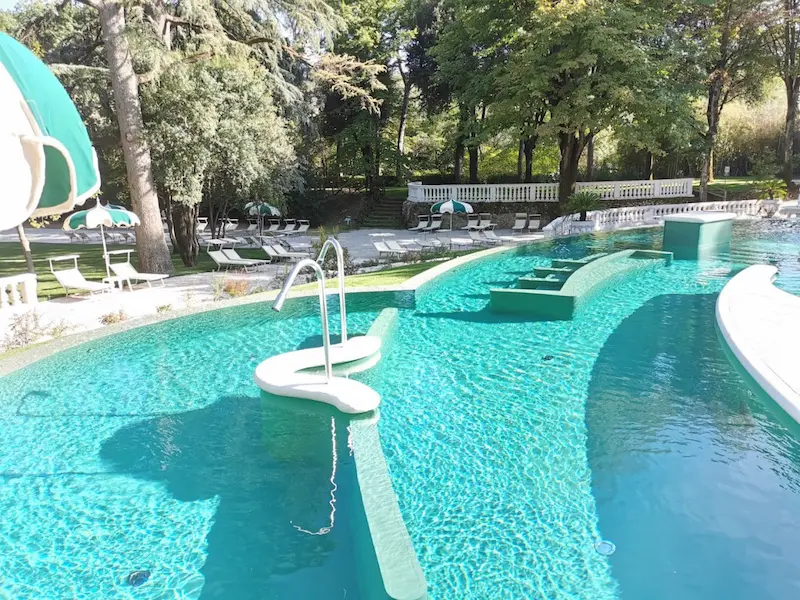
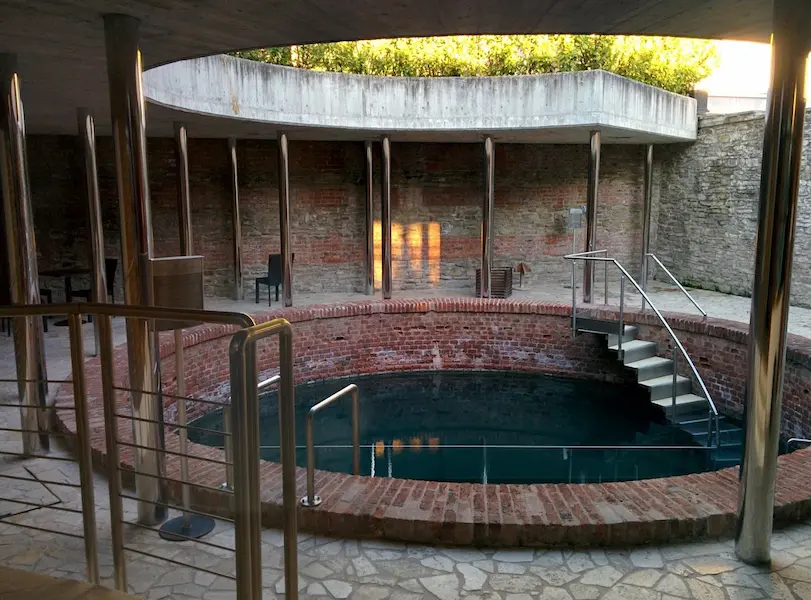
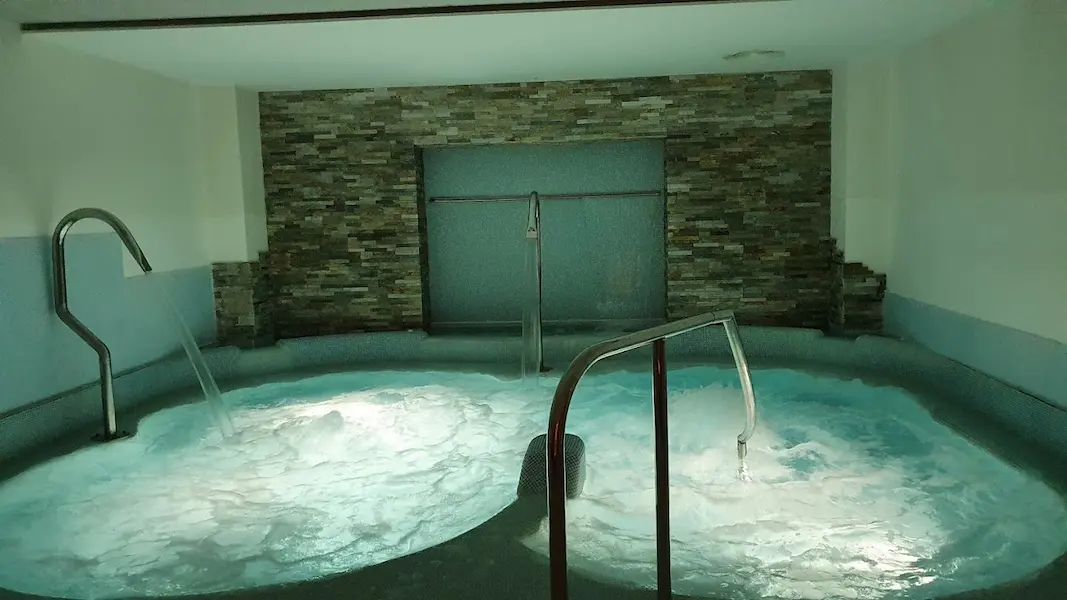
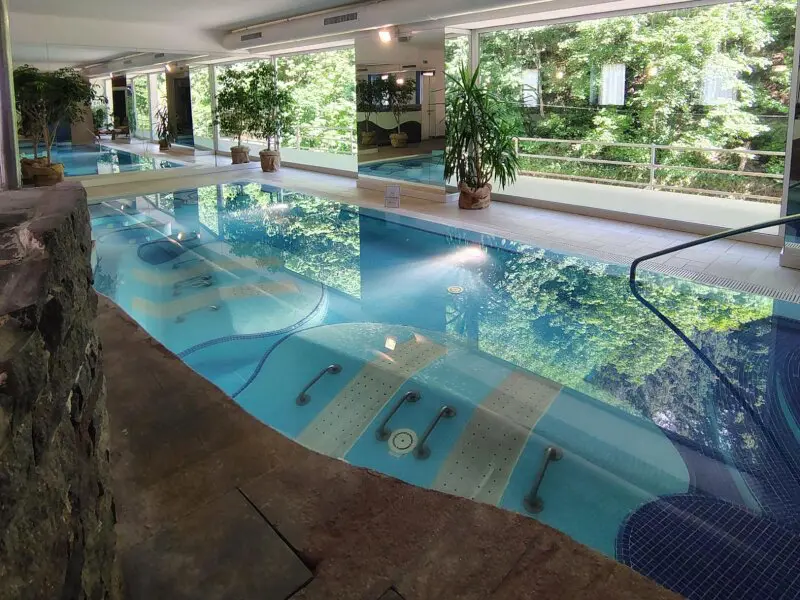
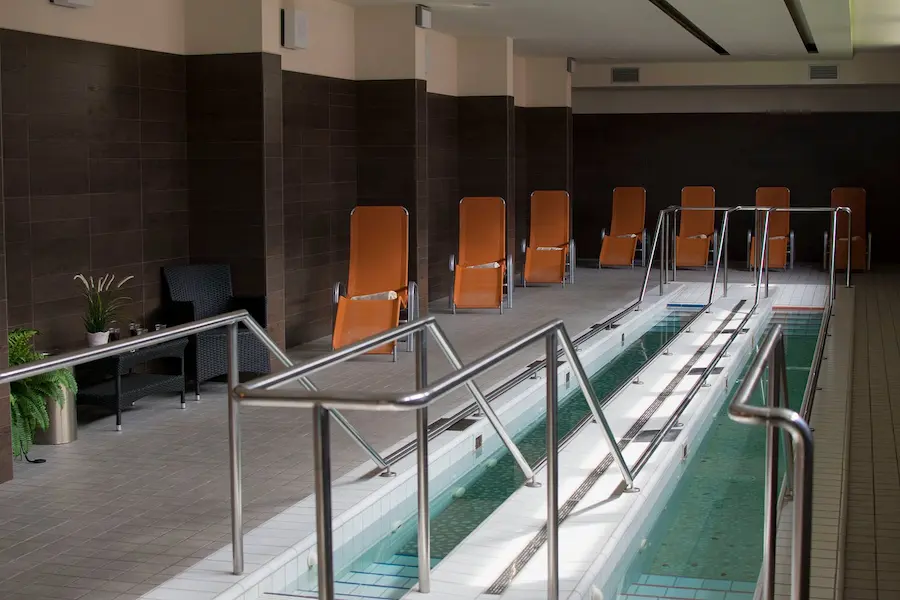
Bagni di Lucca suits visitors seeking a historic European spa experience in a mountain Tuscan setting with preserved 19th-century architecture and thermal bathing traditions. The town appeals to wellness travelers, history enthusiasts, cultural tourists interested in Byron-era Romantic period heritage, and those seeking a quieter alternative to crowded Tuscan tourist centers. The thermal waters and spa facilities accommodate adults, couples, and families with older children. The natural steam grottos (Grotta Paolina) provide unique vapor bathing experiences in natural caves carved into the hillside where heat and humidity create therapeutic environments for respiratory and skin benefits. The individual marble tubs in private dressing rooms preserve the Victorian-era bathing ritual where guests soak in thermal water in elegant historical settings. Modern spa facilities offer contemporary wellness treatments, massages, beauty services, indoor and outdoor pools, and relaxation areas alongside the historic bathing options.

The thermal facility is partially wheelchair accessible. Modern spa areas and some pools can be accessed without stairs. However, the historic marble bathing rooms and natural vapor grottos are located in 19th-century buildings with period architecture that includes stairs, narrow passages, and uneven floors not designed for modern accessibility standards. The natural grottos are carved into hillside rock and accessed via steps. Visitors with mobility limitations should contact the spa in advance to confirm which facilities can be accessed and to arrange assistance. Staff can provide guidance on accessible routes and services. The town itself is built on hillsides with steep streets, stone staircases connecting different levels, and traditional mountain architecture. Walking between villages involves slopes and uneven terrain. Visitors with mobility concerns should plan accommodations and activities accordingly.

Families with children find Bagni di Lucca suitable for multi-generational wellness visits. The outdoor pools, modern spa areas, and scenic natural environment provide activities beyond just thermal bathing. The surrounding area offers hiking, the Canyon Park adventure park in nearby Scesta (approximately 10 kilometers away, the first adventure park in Italy developed inside a canyon), visits to the Orrido di Botri natural canyon and nature reserve, and exploration of medieval villages and historic sites. The Lima and Serchio rivers provide scenic riverside walks. Nearby attractions include Borgo a Mozzano with the famous Ponte della Maddalena (Maddalena Bridge, also called Devil's Bridge), Coreglia Antelminelli (named one of Italy's most beautiful villages), and the Garfagnana region with chestnut woods and picturesque mountain scenery.

Accommodations in Bagni di Lucca range from historic hotels with thermal access (Hotel Terme Bagni di Lucca with spa, thermal pools, and wellness center on-site; Park Hotel Regina in nearby Bagni Caldi), to traditional family-run inns (Albergo Ristorante La Corona in Fornoli), to vacation rentals and agriturismos in surrounding hills. Dining options include trattorias serving northern Tuscan cuisine with handmade pasta, slow-cooked meats, porcini mushrooms (in season), chestnut flour dishes (the area is famous for chestnut forests), and local wines. The town retains a quiet, authentic Italian character with limited nightlife but strong cultural offerings including performances at the Teatro Accademico historic theater (operating since 1790) and exhibitions at the former Casino Municipale. The atmosphere is relaxed and oriented toward wellness, nature, and cultural heritage rather than luxury resort amenities or party scenes.

Safety & Etiquette

Bagni di Lucca Safety Tips

Bagni di Lucca is generally safe for visitors when thermal facilities are used as directed and mountain environment precautions are followed. The thermal waters emerge at temperatures ranging from 36 to 54 degrees Celsius (97 to 129 degrees Fahrenheit) depending on the specific spring source. The hottest waters approaching 54°C can cause burns if contact is prolonged or if used improperly. The spa facility regulates water temperatures in bathing tubs and pools to safe levels for soaking, typically maintaining waters between 36 and 42°C for comfortable therapeutic bathing. Individual marble tubs in private dressing rooms allow control over water temperature and soaking duration. Follow staff instructions regarding recommended bathing times and temperatures. Limit initial soaking to 15 to 20 minutes, exit to cool down and rest, then return for additional sessions as tolerated. Prolonged exposure to hot water can cause overheating, dizziness, dehydration, rapid heartbeat, and cardiovascular stress.

Hydration is critical during thermal bathing. Drink water before, during, and after spa sessions. Bring water bottles or purchase beverages at the spa facility. The combination of hot water, steam in the grottos, and warm Mediterranean climate (particularly in summer) accelerates fluid loss. Dehydration symptoms include dizziness, headache, excessive thirst, dry mouth, confusion, and nausea. Exit thermal areas immediately if experiencing these symptoms, move to a cool rest area, drink water, and notify staff if symptoms persist. Pregnant women, elderly individuals, and people with cardiovascular conditions, high blood pressure, respiratory issues, diabetes, or heat sensitivity should consult medical professionals before using thermal waters and vapor grottos. The high heat and humidity in the natural steam grottos can stress cardiovascular and respiratory systems and are not recommended for individuals with pre-existing conditions without medical clearance.

The natural vapor grottos (Grotta Paolina and Grotta Grande) are carved into hillside rock and provide natural steam environments from thermal spring vapors. Temperatures in the grottos can reach 40 to 47°C with high humidity approaching 100 percent. Limit time in the grottos to short intervals (5 to 10 minutes initially), exit frequently to cool down in rest areas, and assess personal tolerance. The grottos are not suitable for young children, pregnant women, or heat-sensitive individuals. The combination of heat, humidity, and enclosed space can cause claustrophobia, difficulty breathing, rapid pulse, or fainting in susceptible people. If discomfort occurs, exit immediately and rest in cool areas. Staff monitor the facility and can provide assistance, but guests are responsible for assessing their own tolerance and exiting when needed.

The thermal facility has changing rooms, showers, rest areas, and staff on-site during operating hours. However, no lifeguards are present in pools. Guests are responsible for their own safety in water. Supervise children at all times. Pool depths and floor surfaces vary. Some pools may have slippery tiles or mineral deposits. Walk carefully and use handrails where provided. The historic marble bathing tubs are accessed in individual private dressing rooms. These rooms have period architecture with potentially slippery floors when wet. Exercise caution when entering and exiting tubs. The facility provides bathrobes, towels, and slippers with admission. Wear provided slippers when moving between areas to prevent slips on wet surfaces.

People with open wounds, skin infections, or contagious conditions should not use shared thermal pools. Infections can spread in communal bathing environments. The sulphate-bicarbonate waters contain minerals that may irritate broken skin. Individuals with sulphur sensitivities or skin allergies should test tolerance with brief exposure before extended bathing. The waters contain carbonic acid gas which creates slight effervescence. This is natural and harmless but individuals with extreme chemical sensitivities should be aware. The natural steam grottos emit volcanic gases including carbonic acid. These dissipate in the open-air areas but can be concentrated in enclosed grotto spaces. Avoid prolonged deep inhalation of concentrated vapors. Exit if respiratory irritation occurs.

Bagni di Lucca is located in mountain terrain with steep slopes, narrow winding roads, and fast-flowing rivers. If hiking or exploring outside the town, use appropriate footwear, carry water, inform someone of plans, and stay on marked trails. The Lima and Serchio rivers have strong currents and cold water. Do not attempt to swim in rivers without local knowledge and appropriate safety equipment. The Orrido di Botri canyon and nature reserve requires helmets and proper equipment for canyon exploration. Join guided tours rather than attempting independent canyon entry. Weather in mountain areas can change rapidly. Afternoon thunderstorms are common in summer. Check forecasts before outdoor activities and seek shelter if storms develop. In case of medical emergency, call 118 for medical services or 112 for general emergency response. The nearest hospital is in Lucca approximately 25 kilometers away. The spa staff can coordinate emergency response if needed. The town is generally very safe with low crime rates. Normal travel precautions apply: secure valuables, lock vehicles and accommodations, and be aware of surroundings. The historic thermal facilities and spa environments are managed professionally with attention to guest safety and comfort.

Frequently Asked Questions

1
Why was Bagni di Lucca popular with English visitors?
Bagni di Lucca became immensely popular with English visitors during the 19th century, earning the nickname "Switzerland of Tuscany" from the English community. The town combined Alpine mountain scenery with Italian climate, thermal waters, and cultural amenities. English patronage was so significant that the community built a Protestant English Church (completed in 1840, a neo-Gothic structure designed by Colonel Stisted) and an English cemetery. Famous English literary figures including Lord Byron, Percy Bysshe Shelley, and other poets and writers visited and resided in Bagni di Lucca. The town offered fashionable spa society, casino entertainment, elegant villas, and mountain walks that appealed to English aristocracy and wealthy travelers on Grand Tours of Europe.
2
What are the Grottos of Bagni di Lucca?
The grottos of Bagni di Lucca are natural vapor caves carved into the Corsena hillside where thermal spring gases create natural steam environments. The two main grottos are Grotta Paolina and Grotta Grande. These grottos provide therapeutic steam bathing with temperatures reaching 40 to 47 degrees Celsius and humidity approaching 100 percent. The natural heat and moisture are beneficial for respiratory conditions, skin health, and muscle relaxation. The grottos are accessed via the Terme Jean Varraud thermal facility at Bagni Caldi. They represent a unique aspect of the spa experience, preserving centuries-old bathing traditions where visitors entered natural caves for vapor therapy rather than only soaking in water pools.
3
What is the water temperature at Bagni di Lucca?
The thermal springs of Bagni di Lucca emerge at varying temperatures ranging from 36 to 54 degrees Celsius (97 to 129 degrees Fahrenheit) depending on the specific spring source. The water is classified as sulphate-bicarbonate-calcium composition with carbonic acid gas content. The spa facility regulates temperatures in individual bathing tubs and pools to safe therapeutic levels, typically maintaining waters between 36 and 42 degrees Celsius for comfortable soaking. The hottest waters approaching 54°C are cooled before use in bathing facilities to prevent burns. The natural vapor grottos reach temperatures of 40 to 47°C with very high humidity, creating intense steam environments distinct from water bathing.
4
What can you visit near Bagni di Lucca?
Near Bagni di Lucca, visitors can explore numerous attractions in the Lima Valley and Garfagnana region. Borgo a Mozzano (approximately 5 kilometers south) features the famous Ponte della Maddalena (Maddalena Bridge, also called Devil's Bridge), a stunning medieval bridge crossing the Serchio River. Coreglia Antelminelli (north of Bagni di Lucca) is named one of Italy's most beautiful villages and houses a museum dedicated to plaster figurines, a local artisan tradition. The Orrido di Botri is a dramatic natural canyon carved by the Pelago River, offering hiking and guided canyon exploration. Canyon Park at Scesta (less than 10 kilometers away) is Italy's first adventure park developed inside a canyon, offering family-friendly outdoor activities. The surrounding Garfagnana region provides chestnut forests, medieval villages, mountain hiking, and traditional Tuscan mountain culture. Lucca city (25 kilometers south) offers Renaissance walls, historic center, towers, and urban attractions.
5
Is Bagni di Lucca open year-round?
Yes, the Terme Jean Varraud thermal facility at Bagni di Lucca operates year-round with seasonal variations in hours and services. The thermal waters and spa facilities are available in all seasons. The town's mountain location makes it particularly pleasant in spring (April to June) and autumn (September to October) when temperatures are mild and forests display seasonal colors including chestnut tree foliage. Summer (July to August) attracts visitors seeking cooler mountain air compared to hot Tuscan plains. Winter (November to March) offers a quieter experience with fewer tourists, though mountain weather can be cold and rainy. The historic architecture, museums, Teatro Accademico theater, restaurants, and cultural sites are accessible throughout the year. Advance booking is recommended for thermal spa visits particularly during summer peak season and weekends.

Location

Address:
Via Bagni Caldi, 55022 Bagni di Lucca (LU)
Coordinates:
10.5917
,
44.0109
44.0109
10.5917
Bagni di Lucca, Italy
Text Link
Via Bagni Caldi, 55022 Bagni di Lucca (LU)

Other hot springs in

Italy