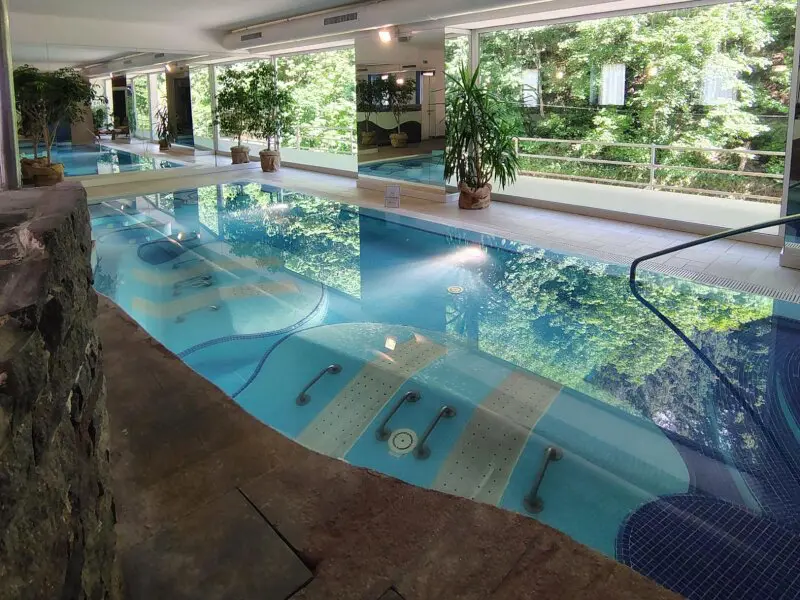
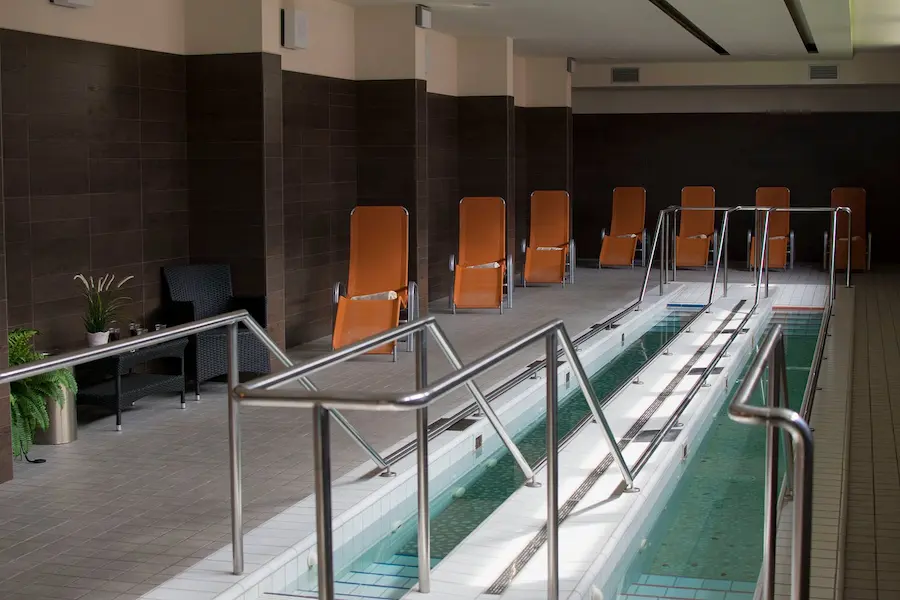
Terme di Chianciano, Italy
Major public thermal spa in southern Tuscany with seven Theia pools, a sensory spa, and NHS therapeutic services. Wheelchair accessible. Family certified.
Piazza Guglielmo Marconi, 53042 Chianciano Terme (SI), Italy
Siena
IT
43.043888
11.814795
Public Pools & Parks
Paid
Easy to reach (no hike)
Be mindful
Swimsuit required
true
true
Europe
terme-di-chianciano-italy
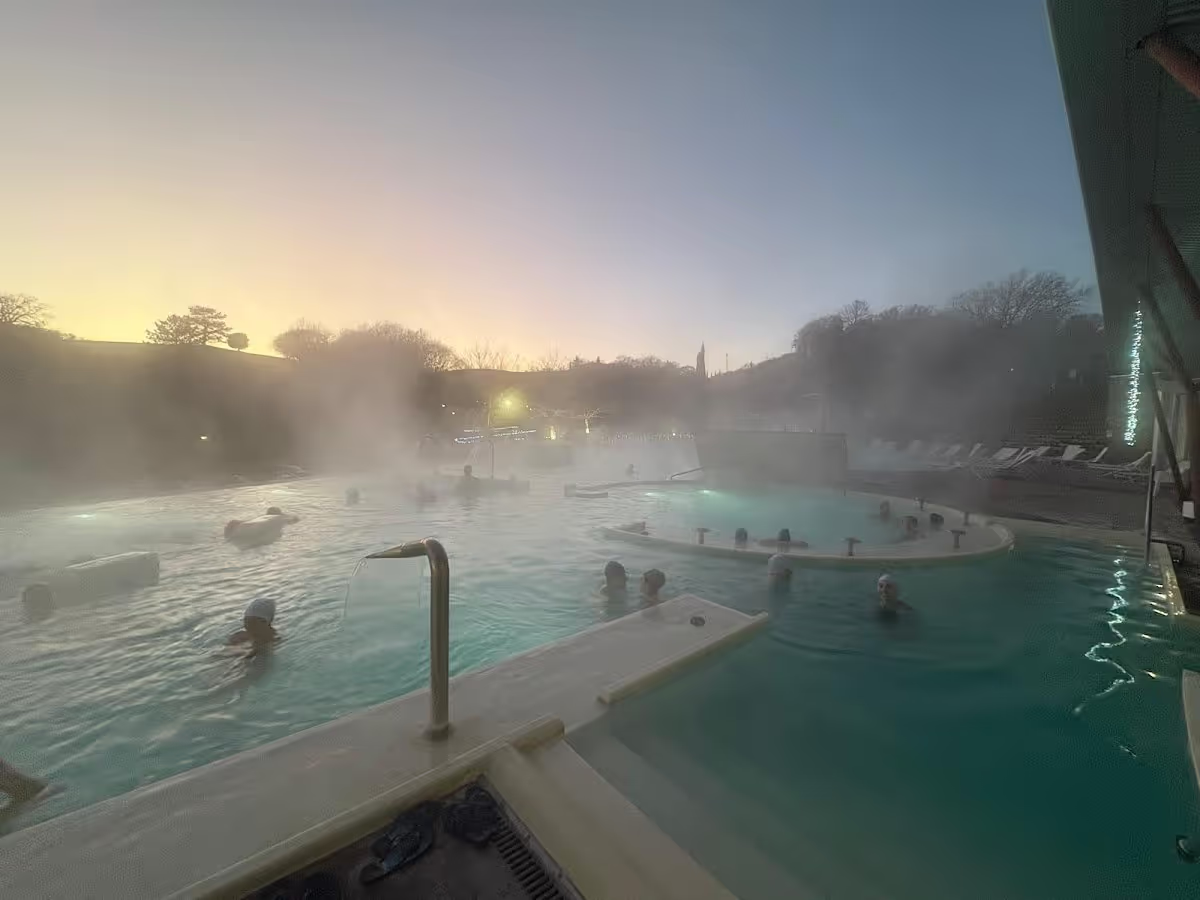
What is Terme di Chianciano?
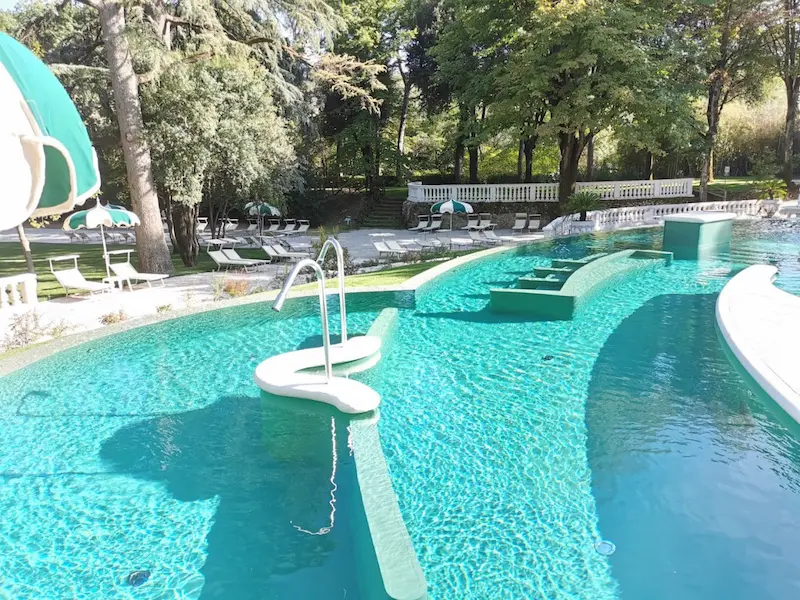
Terme di Chianciano is a major public thermal spa complex in Chianciano Terme in southern Tuscany. It draws on four named spring sources known since Etruscan times, all bicarbonate-sulphate-calcium in composition. The complex includes the Theia Thermal Pools (seven interconnected indoor and outdoor pools at 33-36 degrees), the Terme Sillene medical therapeutic centre with NHS-covered treatments, the Sensory Spa in the Acqua Santa park, and a UPMC-affiliated medical institute. The Theia pools are family-certified and wheelchair accessible.
Are the Theia pools wheelchair accessible?
Yes. The Theia Thermal Pools at Chianciano Terme are confirmed wheelchair accessible by multiple booking platforms and tour operators. The facility is designed with flat access and infrastructure suitable for visitors with reduced mobility. It is one of the few major thermal pool complexes in Tuscany to be specifically documented as accessible. Visitors with specific mobility requirements should confirm the latest access details directly with the facility before their visit, as accessibility features can vary between different areas of the complex.
What makes the Chianciano thermal waters special?
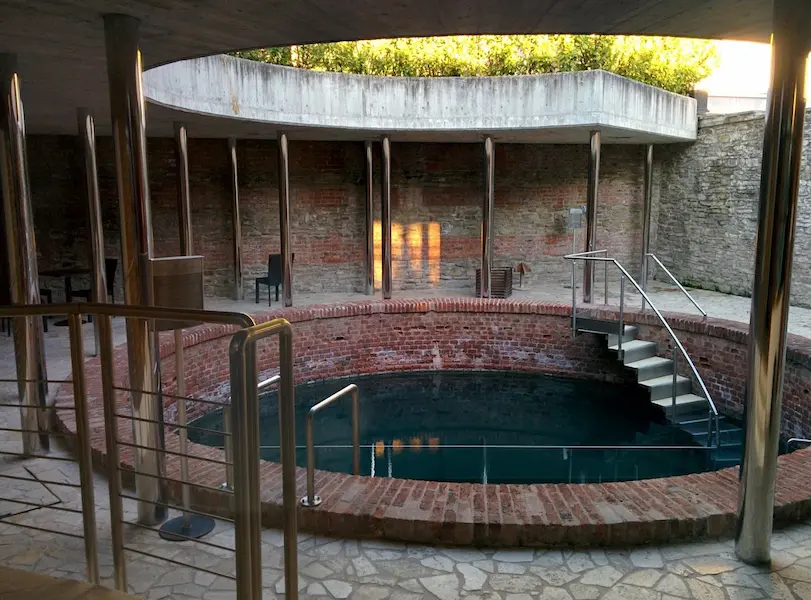
The Chianciano springs are particularly known for their effects on the hepatobiliary system and digestion. Acqua Santa, the best-known source at 33 degrees, is traditionally drunk as a morning treatment for liver and gastrointestinal health. Acqua Sillene at 38.5 degrees is used in balneotherapy for vascular diseases and arthrorheumatic conditions. Both waters are bicarbonate-sulphate-calcium and have been prescribed under the Italian national health service for medically indicated thermal treatments for decades. The terme in Italy at Chianciano have a documented therapeutic reputation going back to Roman times.
Can I visit Terme di Chianciano without an Italian health service prescription?
Yes. The Theia Thermal Pools and the Sensory Spa are open to all visitors at standard entry rates. NHS-covered therapeutic treatments at Terme Sillene require an Italian national health service prescription, but international visitors can access most treatments at private rates by booking directly with the medical or spa departments. Pool entry for the Theia facility requires no medical documentation and starts at around 29-31 euros per person.
What are the Theia Thermal Pools like for families?
2026-09-21
Updated September 21, 2026
Terme di Chianciano, Italy
Major public thermal spa in southern Tuscany with seven Theia pools, a sensory spa, and NHS therapeutic services. Wheelchair accessible. Family certified.
Experience
Public Pools & Parks
Access Level
Easy to reach (no hike)
What to Wear
Swimsuit required
Address
Piazza Guglielmo Marconi, 53042 Chianciano Terme (SI), Italy
Find a place to stay
Compare prices near this exact spot across Booking.com, Expedia and more.
See nearby stays →
Overview
About Terme di Chianciano
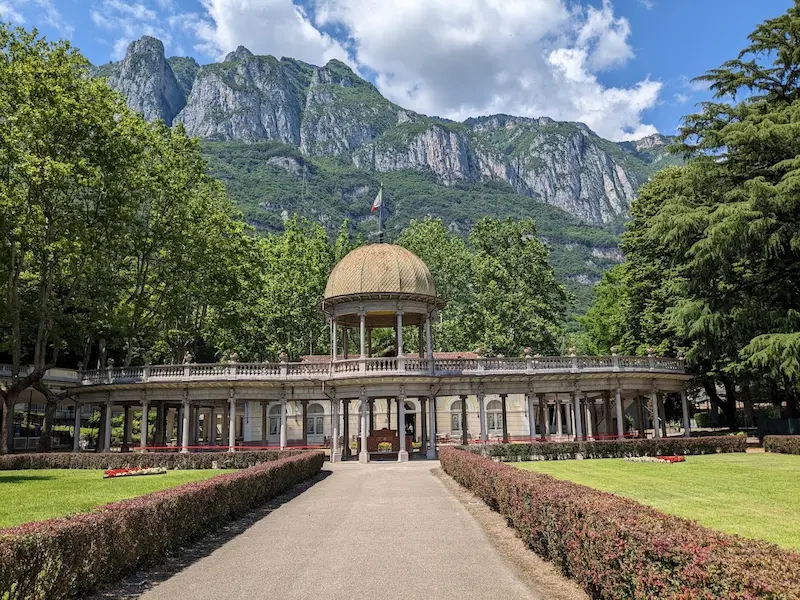
Terme di Chianciano, Italy is a major public thermal spa complex in the town of Chianciano Terme, in the Valdichiana Senese area of southern Tuscany, approximately 45 kilometres south of Siena. The complex draws on four named bicarbonate-sulphate-calcium spring sources known since Etruscan and Roman times: Acqua Santa (33 degrees), Acqua Sillene (38.5 degrees), Acqua Fucoli, and Acqua Santissima. The thermal waters are celebrated particularly for their documented effects on the hepatobiliary system and digestion, making Chianciano one of Italy's best-known destinations for liver and digestive health treatments.
The complex has three facilities. The Theia Thermal Pools at Piazza Guglielmo Marconi provide seven interconnected pools (four outdoor, three indoor) fed by Sillene spring water at 33-36 degrees, totalling around 600 square metres. Terme Sillene adjacent offers NHS-covered rheumatology, vascular rehabilitation, and physiotherapy. The Sensory Spa in the Acqua Santa park offers 20 experiences across five wellness pathways.
Federico Fellini and Luigi Pirandello frequented Chianciano's parks. The complex also includes a UPMC-affiliated Institute for Health and a Health Gym with yoga, Pilates, tai-chi, and qigong.
Location & Access
Getting to Terme di Chianciano
Terme di Chianciano is located in the town of Chianciano Terme, in the Valdichiana Senese of southern Tuscany. The main Theia Thermal Pools entry is at Piazza Guglielmo Marconi, which is signposted from the town centre and accessible on foot from most hotels in Chianciano Terme in approximately 10-15 minutes. Parking is available near the piazza. The Sensory Spa is situated in the Acqua Santa Park at Piazza Martiri Perugini, a short walk from the Theia pools.
By car from Siena, take the SP146 south towards Chianciano Terme; the journey takes approximately 45-50 minutes. From Rome, take the A1 motorway north and exit at Chiusi-Chianciano Terme, then follow signs for Chianciano Terme, approximately 15 minutes from the motorway. The nearest railway station is Chiusi-Chianciano Terme, served by regional and intercity trains from Rome and Florence; Chianciano Terme itself is approximately 10 kilometres from the station, reached by local bus or taxi.
Chianciano Terme sits in the Val d'Orcia and Valdichiana area, within easy reach of Montepulciano (15km), Pienza (20km), and Montalcino (35km), making it a practical base for combining hot springs near Siena with exploration of the UNESCO Val d'Orcia landscape. The thermal complex is open year-round, including in winter when the indoor pools remain fully operational. Saturday evening events and seasonal music programmes run throughout the year in the thermal parks.
Suitability & Accessibility
Who Terme di Chianciano Suits
Terme di Chianciano suits a broad range of visitors, from families and recreational bathers to those seeking medically supervised thermal treatment. The Theia Thermal Pools are officially certified as a family-friendly facility and include a dedicated KIDS area with a children's indoor and outdoor pool, plus dry and wet cave spaces with temperatures adapted for young visitors. The interconnected pool layout and variable depth of 130 centimetres across all pools make navigation easy for adults and supervised children alike.
The Theia pools are wheelchair accessible, as confirmed by multiple booking platforms and tour operators. The complex is designed with flat access and infrastructure appropriate for visitors with reduced mobility. Those seeking accessible hot springs in Italy will find Chianciano one of the most fully equipped public thermal complexes in Tuscany for visitors with mobility needs. Visitors with specific requirements are advised to contact the facility in advance to confirm current provision.
Medical thermal treatments at Terme Sillene are available under NHS agreements for eligible Italian residents; international visitors access most treatments at private rates. Saturday evening Theia Moon events combine pool access, live music, and an apericena dinner. The Sensory Spa suits those seeking its five experience pathways: detox, energy, rebalance, relax, and taste.
Safety & Etiquette
Terme di Chianciano Safety Tips
Terme di Chianciano is a professionally managed thermal complex with staff present throughout. The Theia pools operate at 33-36 degrees Celsius, a comfortable range for most visitors, but standard thermal precautions apply. Individuals with cardiovascular conditions, low blood pressure, respiratory disorders, or recent surgery should seek medical clearance before bathing. Pregnant women are advised to consult their doctor. The pool depth is a uniform 130 centimetres; non-swimmers should remain near the edges.
Swim caps are mandatory at the Theia pools and must be worn at all times in the water. Caps can be purchased or rented on site. Swimwear is required throughout the complex. Shower before entering the pools. Towels, bathrobes, and slippers can be rented on site for an additional fee. Bringing your own towel is advisable. Eating is not permitted in the pool areas; a bistro is adjacent to the indoor pool.
The Sillene water used in the Theia pools has a high concentration of free carbon dioxide and calcium carbonate, which gives it a characteristic slight opacity and a light tingling sensation on the skin. This is normal and part of the documented anti-inflammatory effect of the water. Visitors unfamiliar with carbonated thermal water should start with shorter soaking periods to allow the body to acclimatise.
Advance booking is recommended for the Sensory Spa and for NHS therapeutic treatments at Terme Sillene. The Theia pools accept walk-in visitors when capacity allows, but weekend and holiday periods can be busy; arriving early or booking online in advance is advisable. Saturday evening Moon events must be booked in advance. Check the official website for current prices and seasonal opening hours before visiting.
Frequently Asked Questions
1
What is Terme di Chianciano?
Terme di Chianciano is a major public thermal spa complex in Chianciano Terme in southern Tuscany. It draws on four named spring sources known since Etruscan times, all bicarbonate-sulphate-calcium in composition. The complex includes the Theia Thermal Pools (seven interconnected indoor and outdoor pools at 33-36 degrees), the Terme Sillene medical therapeutic centre with NHS-covered treatments, the Sensory Spa in the Acqua Santa park, and a UPMC-affiliated medical institute. The Theia pools are family-certified and wheelchair accessible.
2
Are the Theia pools wheelchair accessible?
Yes. The Theia Thermal Pools at Chianciano Terme are confirmed wheelchair accessible by multiple booking platforms and tour operators. The facility is designed with flat access and infrastructure suitable for visitors with reduced mobility. It is one of the few major thermal pool complexes in Tuscany to be specifically documented as accessible. Visitors with specific mobility requirements should confirm the latest access details directly with the facility before their visit, as accessibility features can vary between different areas of the complex.
3
What makes the Chianciano thermal waters special?
The Chianciano springs are particularly known for their effects on the hepatobiliary system and digestion. Acqua Santa, the best-known source at 33 degrees, is traditionally drunk as a morning treatment for liver and gastrointestinal health. Acqua Sillene at 38.5 degrees is used in balneotherapy for vascular diseases and arthrorheumatic conditions. Both waters are bicarbonate-sulphate-calcium and have been prescribed under the Italian national health service for medically indicated thermal treatments for decades. The terme in Italy at Chianciano have a documented therapeutic reputation going back to Roman times.
4
Can I visit Terme di Chianciano without an Italian health service prescription?
Yes. The Theia Thermal Pools and the Sensory Spa are open to all visitors at standard entry rates. NHS-covered therapeutic treatments at Terme Sillene require an Italian national health service prescription, but international visitors can access most treatments at private rates by booking directly with the medical or spa departments. Pool entry for the Theia facility requires no medical documentation and starts at around 29-31 euros per person.
5
What are the Theia Thermal Pools like for families?
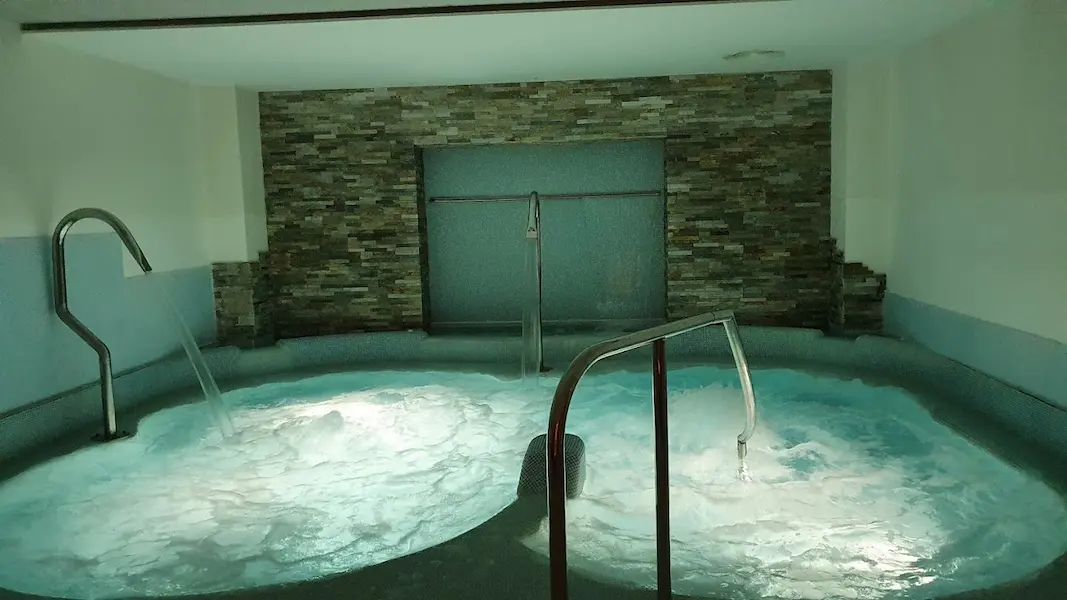
The Theia Thermal Pools are officially certified as a family-friendly facility. They include a dedicated KIDS area with a children's indoor and outdoor pool, a dry cave, and a wet cave, all with temperatures adapted for younger visitors. All seven pools have a uniform depth of 130 centimetres, water games, hydrotherapy beds, and cervical jets. The wellness centre adjacent to the pools has a sauna, Turkish bath, rasul, and emotional showers for adults. Children visiting with adults can use the KIDS area independently while parents use the main pool circuit.
Gallery
No pictures available for this hot spring.
Location
Address:
Piazza Guglielmo Marconi, 53042 Chianciano Terme (SI), Italy
Find a place to stay
Compare prices near this exact spot across Booking.com, Expedia and more.
See nearby stays →
43.043888
11.814795
Terme di Chianciano, Italy
Text LinkPiazza Guglielmo Marconi, 53042 Chianciano Terme (SI), Italy
More hot springs in Italy
Some accommodation links on this site are affiliate links. If you book through them, we may earn a small commission at no additional cost to you. This helps keep hotspringsguides.com free to use.