Terme di Cretone (Terme Sabine di Cretone), Italy
Seasonal public thermal complex near Rome with three sulphurous pools at 23C, including a children pool. Ministry of Health recognised. Wheelchair accessible.
Via dell'Acqua Solfurea, 00018 Cretone di Palombara Sabina (RM), Italy
Rome
IT
42.08
12.74
Public Pools & Parks
Paid
Easy to reach (no hike)
Be mindful
Swimsuit required
true
true
Europe
terme-di-cretone-terme-sabine-di-cretone-italy
%252C%2520Italy%25201.avif)
What are the Terme di Cretone (Terme Sabine di Cretone)?
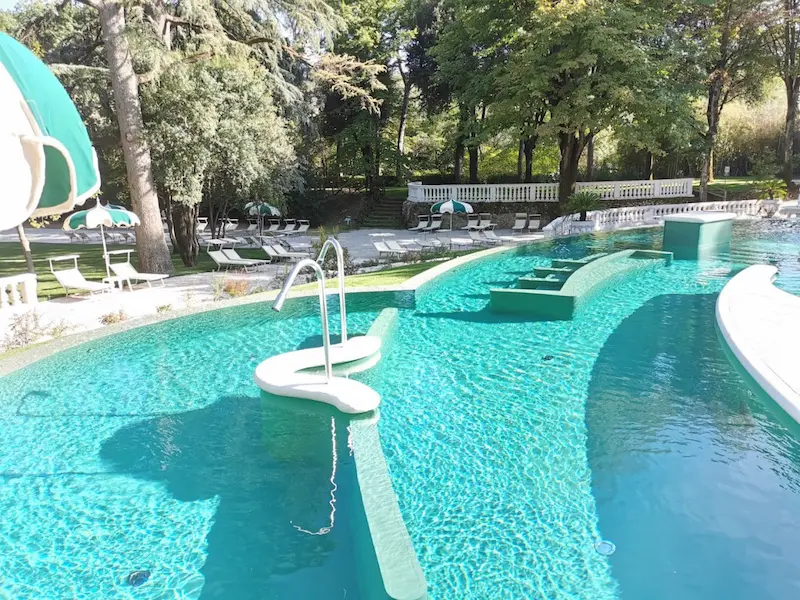
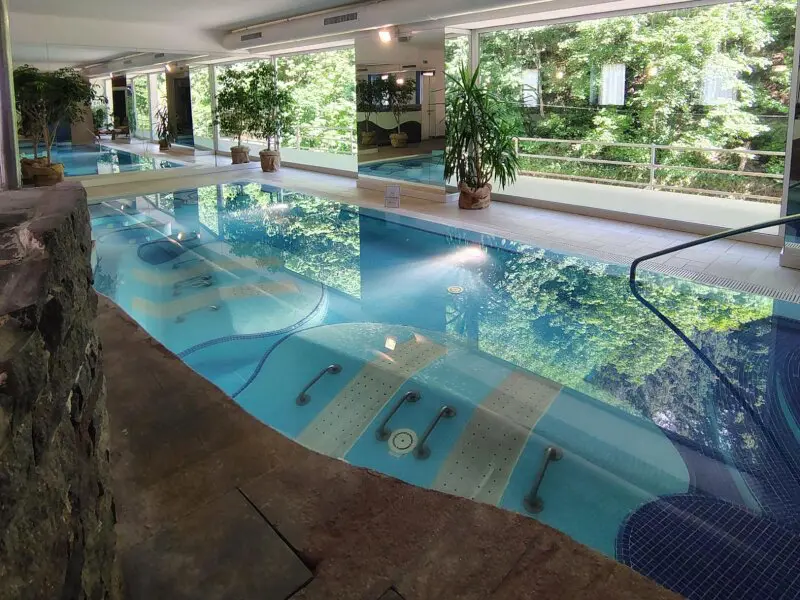
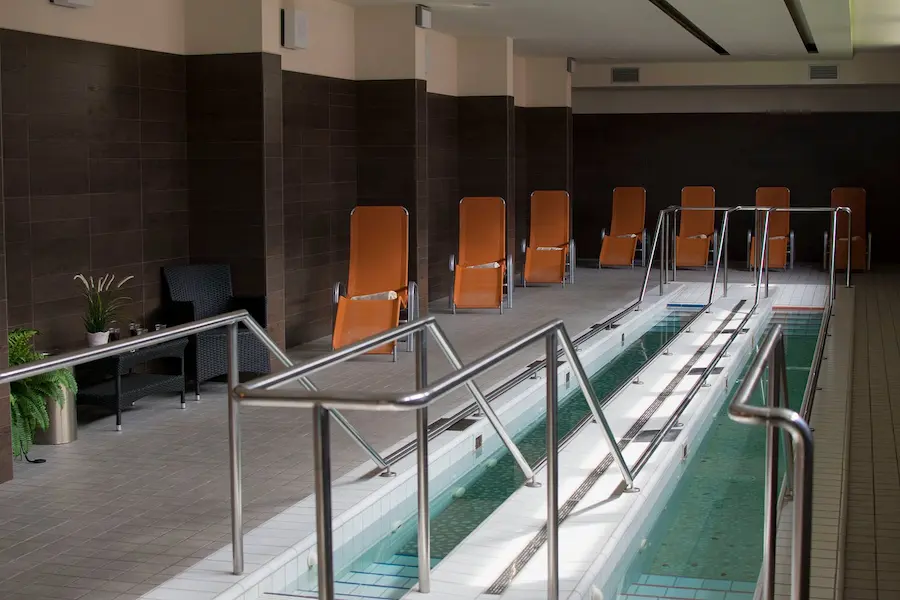
Terme di Cretone, also known as Terme Sabine di Cretone, are a seasonal public thermal complex in the hamlet of Cretone, municipality of Palombara Sabina, approximately 30 kilometres from Rome. Three outdoor calcic-sulphurous pools, including one for children, are fed at a constant 23 degrees Celsius from two natural sources officially recognised by the Italian Ministry of Health in 1987 for dermatological, biliary, gastric, arthoreumatic, and respiratory conditions. The complex also has a restaurant, massage services, tennis courts, and a fitness area. Open seasonally from late May to late September.
Is Terme di Cretone wheelchair accessible?
Yes. The complex has confirmed accessibility for wheelchair users. The entrance, bathrooms, and car park are all documented as wheelchair accessible on the Google My Business listing for Terme Sabine di Cretone, which has over 2,000 verified reviews. Free parking for visitors with disabilities is available on site. Visitors with specific mobility requirements are encouraged to contact the complex in advance to confirm the current layout and any assistance available.
How cold is the water at Terme di Cretone?
The water at Terme di Cretone is approximately 23 degrees Celsius, which is cooler than most Italian thermal spas. The water temperature is constant year-round as it flows directly from the natural springs. Visitors expecting hot or warm water immersion should note this. In summer, the 23-degree water feels refreshingly cool against the ambient heat; some visitors find it can feel cold in the morning or on cooler days. The afternoon pools tend to be slightly warmer after solar exposure, and evening sessions are recommended for those sensitive to the cooler water temperature.
When is Terme di Cretone open?
Terme di Cretone operates seasonally, typically from late May to late September. In 2025 the season ran from 31 May to 21 September. Daily opening hours are 9:00 to 18:30. During summer, evening sessions run until midnight, usually with live music or entertainment events. Evening entry in 2025 was approximately 8 euros. The complex is closed outside the seasonal period. Confirm current dates and hours on the official website at termesabine.it before travelling.
Are Terme di Cretone suitable for families?
2026-09-21
Updated September 21, 2026
Terme di Cretone (Terme Sabine di Cretone), Italy
Seasonal public thermal complex near Rome with three sulphurous pools at 23C, including a children pool. Ministry of Health recognised. Wheelchair accessible.
Experience
Public Pools & Parks
Access Level
Easy to reach (no hike)
What to Wear
Swimsuit required
Address
Via dell'Acqua Solfurea, 00018 Cretone di Palombara Sabina (RM), Italy
Find a place to stay
Compare prices near this exact spot across Booking.com, Expedia and more.
See nearby stays →
Overview
About Terme di Cretone (Terme Sabine di Cretone)
Terme di Cretone (Terme Sabine di Cretone), Italy is a public thermal complex in the hamlet of Cretone, within the municipality of Palombara Sabina, in the Sabina area of Lazio, approximately 30 kilometres northeast of Rome. Set at the foot of a wooded hillside, the complex draws on two natural calcic-sulphurous sources that have been known for their therapeutic properties since antiquity. Since 1987 the waters have been officially recognised by the Italian Ministry of Health for the treatment of dermatological, biliary, gastric, arthoreumatic, and respiratory conditions.
Three large outdoor pools are fed continuously from the two springs at a constant temperature of approximately 23 degrees Celsius. One pool is dedicated to children; the other two are for adults and differ in their atmosphere, with the first being more social and the second quieter. The complex also includes two football pitches, four tennis courts, a fitness area, a tavola calda, a bar, and a restaurant. Additional treatments including massage and therapeutic mud are available from the on-site wellness service.
The acque termali of the Sabina have been used since pre-Roman times. Today the site draws visitors from across the greater Rome area, particularly in summer, when evening sessions extend the hours into the night.
Location & Access
Getting to Terme di Cretone (Terme Sabine di Cretone)
Terme di Cretone is located in the hamlet of Cretone within the municipality of Palombara Sabina, on Via dell'Acqua Solfurea. By car from Rome, take the A1 motorway north and exit at Fiano Romano, then follow signs toward Palombara Sabina and Cretone; the journey from Rome takes approximately 40 to 45 minutes. Free parking is available on site and is accessible for visitors with disabilities. The complex is signposted from the main roads approaching Cretone.
By public transport, take the FL1 regional train from Rome Fiumicino toward Fara Sabina and disembark at Piana Bella-Montelibretti station. An SAP shuttle service connects the station to the thermal complex. Check current shuttle schedules on the SAP or Terme Sabine website before travelling. Bus services from nearby towns also stop at the Neve-Acqua Sulfurea stop a short walk from the entrance.
The complex is open seasonally from late May to late September. The Cretone and Palombara Sabina area is close to other destinations suited to a combined day trip: Tivoli and its gardens are approximately 12 kilometres away, Guidonia approximately 10 kilometres, and Monterotondo approximately 12 kilometres. For visitors seeking hot springs near Rome with a social and relaxed outdoor atmosphere, Terme di Cretone is among the most accessible options within the metropolitan area.
Suitability & Accessibility
Who Terme di Cretone Suits
Terme di Cretone suits a broad range of visitors, from families with young children to adults looking for a relaxed summer day outdoors within easy reach of Rome. The dedicated children's pool and the family-friendly layout make it a practical choice for those with young children; children under 5 enter free. The complex has an energetic atmosphere at peak times, with animation and music in the main pool areas on busy days.
The complex is documented as wheelchair accessible. Google My Business listings confirm that the entrance, the bathrooms, and the parking area are all accessible to wheelchair users. This makes it a practical option for visitors seeking accessible hot springs in Italy near Rome, as many natural thermal sites in Lazio have limited infrastructure for wheelchair access.
Area bookings with sunbeds and umbrellas can be made online or at the cashier on arrival; areas are graded by proximity to the pool and equipment included, with prices for two-person sunbed areas starting at around 25 euros. Single day entry without a reserved area starts at around 16 euros. Seasonal and multi-visit passes are also available. The restaurant serves quality local dishes and there are shaded picnic tables for those bringing their own food.
The water temperature of 23 degrees Celsius is lower than many Italian thermal spas; it is refreshingly cool rather than hot, and is more comfortable in warmer weather. Visitors expecting hot-water soaking should note this. The site is at its most peaceful early in the morning and at evening sessions, when it is less crowded.
Safety & Etiquette
Terme di Cretone (Terme Sabine di Cretone) Safety Tips
Terme di Cretone is a managed facility with staff present throughout the opening hours. The water is classified as calcic-sulphurous and is officially recognised for therapeutic use by the Italian Ministry of Health. Despite the cooler temperature of approximately 23 degrees, the sulphurous mineral content can affect the skin and circulatory system over extended bathing periods. Those with dermatological conditions or sulphur sensitivity should seek medical advice before their first extended use. Pregnant women should consult their doctor. The recognised indications cover skin, biliary, gastric, arthoreumatic, and respiratory conditions; these require specific programmes that can be discussed with the on-site medical service.
Swimwear is required throughout the complex. No pets are admitted. Shower before entering the pools. Children must be supervised by adults at all times, particularly near the main pools. The children's pool is separated from the adult pools and sized for younger users. Staff are present poolside during operating hours.
The pools are fed by a continuous flow of spring water, keeping conditions fresh. That said, the pools are popular and can become crowded during peak summer days and on weekends. Arriving at opening time or during the quieter late afternoon avoids the densest periods. Evening bathing sessions run in summer; check the official website for the current schedule and to book a sun area in advance.
The complex is open seasonally from late May to late September only. It is closed outside this period. Confirm opening dates and hours on the official website before travelling. Online booking for area reservations is available at termesabine.it and is recommended at weekends and peak summer periods.
Frequently Asked Questions
1
What are the Terme di Cretone (Terme Sabine di Cretone)?
Terme di Cretone, also known as Terme Sabine di Cretone, are a seasonal public thermal complex in the hamlet of Cretone, municipality of Palombara Sabina, approximately 30 kilometres from Rome. Three outdoor calcic-sulphurous pools, including one for children, are fed at a constant 23 degrees Celsius from two natural sources officially recognised by the Italian Ministry of Health in 1987 for dermatological, biliary, gastric, arthoreumatic, and respiratory conditions. The complex also has a restaurant, massage services, tennis courts, and a fitness area. Open seasonally from late May to late September.
2
Is Terme di Cretone wheelchair accessible?
Yes. The complex has confirmed accessibility for wheelchair users. The entrance, bathrooms, and car park are all documented as wheelchair accessible on the Google My Business listing for Terme Sabine di Cretone, which has over 2,000 verified reviews. Free parking for visitors with disabilities is available on site. Visitors with specific mobility requirements are encouraged to contact the complex in advance to confirm the current layout and any assistance available.
3
How cold is the water at Terme di Cretone?
The water at Terme di Cretone is approximately 23 degrees Celsius, which is cooler than most Italian thermal spas. The water temperature is constant year-round as it flows directly from the natural springs. Visitors expecting hot or warm water immersion should note this. In summer, the 23-degree water feels refreshingly cool against the ambient heat; some visitors find it can feel cold in the morning or on cooler days. The afternoon pools tend to be slightly warmer after solar exposure, and evening sessions are recommended for those sensitive to the cooler water temperature.
4
When is Terme di Cretone open?
Terme di Cretone operates seasonally, typically from late May to late September. In 2025 the season ran from 31 May to 21 September. Daily opening hours are 9:00 to 18:30. During summer, evening sessions run until midnight, usually with live music or entertainment events. Evening entry in 2025 was approximately 8 euros. The complex is closed outside the seasonal period. Confirm current dates and hours on the official website at termesabine.it before travelling.
5
Are Terme di Cretone suitable for families?
Yes. Terme di Cretone is well suited to families. A dedicated children's pool is available, sized and designed for younger visitors. Children under 5 enter free. The first main adult pool tends to be lively with music and animation during peak season, making it enjoyable for families. The second adult pool offers a more tranquil atmosphere. Sunbeds and umbrellas can be booked online in advance, and the restaurant and bar provide full catering. Dogs and other pets are not permitted at the complex.
Gallery
No pictures available for this hot spring.
Location
Address:
Via dell'Acqua Solfurea, 00018 Cretone di Palombara Sabina (RM), Italy
Find a place to stay
Compare prices near this exact spot across Booking.com, Expedia and more.
See nearby stays →
42.08
12.74
Terme di Cretone (Terme Sabine di Cretone), Italy
Text LinkVia dell'Acqua Solfurea, 00018 Cretone di Palombara Sabina (RM), Italy
More hot springs in Italy
Some accommodation links on this site are affiliate links. If you book through them, we may earn a small commission at no additional cost to you. This helps keep hotspringsguides.com free to use.

%252C%2520Italy%25202.avif)
%252C%2520Italy%25206.avif)