Terme di Montecatini, Italy
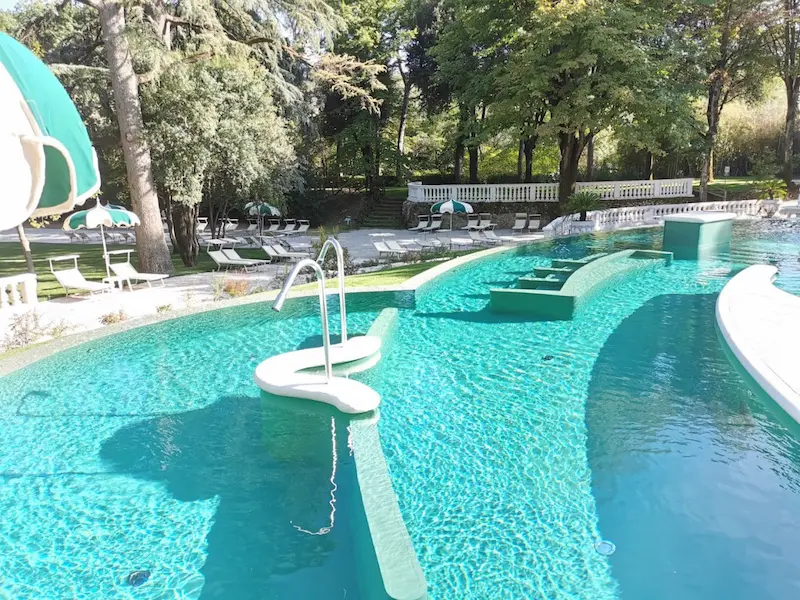
UNESCO World Heritage spa town with Art Nouveau thermal establishments, historic drinking fountains, and therapeutic waters known since Roman times.
Viale Giuseppe Verdi 41, 51016 Montecatini Terme (PT)
Florence
IT
43.8808
10.7755
Public Pools & Parks
Paid
Easy to reach (no hike)
Generally safe
Swimsuit required
true
true
Europe
terme-di-montecatini-italy
What is Terme Tettuccio?
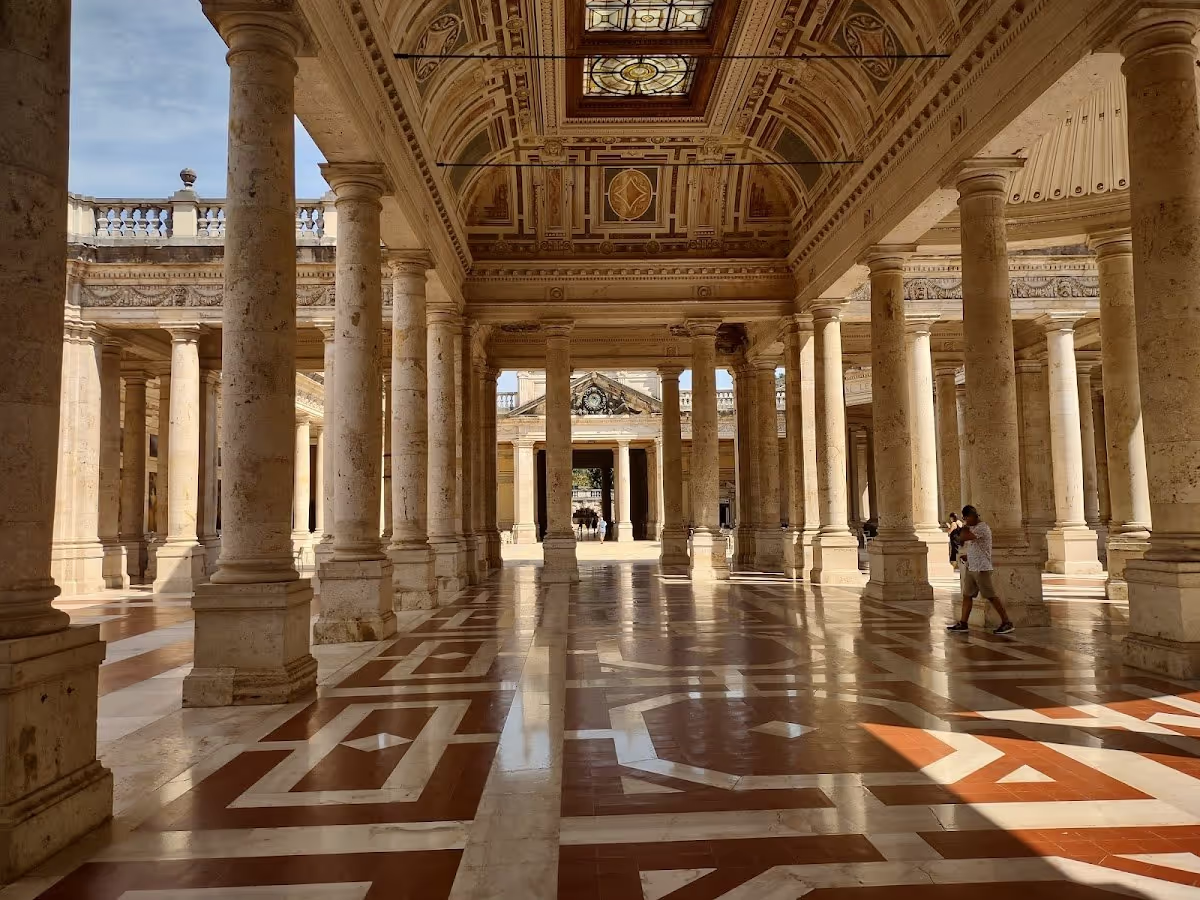
Terme Tettuccio is the most famous and architecturally spectacular thermal establishment in Montecatini Terme. Originally built between 1779 and 1781, the complex was restructured in 1928 and transformed into a palatial Art Nouveau masterpiece. Tettuccio features large decorated halls with frescoed ceilings painted by famous early 20th-century artists, marble floors, colonnaded galleries, ornamental details, and landscaped gardens. The name Tettuccio comes from the thermal spring source. The establishment is primarily a drinking spa where visitors drink therapeutic mineral water dispensed from elegant fountains in granite pools. Four different fountains offer waters for various health conditions including diabetes, digestive problems, liver disorders, and cholesterol reduction. Beyond treatments, Tettuccio is an architectural and cultural experience. Visitors come to admire the beauty, enjoy morning coffee in the grand cafe, hear chamber music performances, and experience the Belle Epoque spa atmosphere.
Is Montecatini a UNESCO World Heritage Site?
Yes, Montecatini Terme became a UNESCO World Heritage Site in 2021 as part of the Great Spa Towns of Europe, a transnational serial property recognizing 11 European spa towns. The designation acknowledges towns that exemplify the important phenomenon of European spa culture from the 1700s through the 1930s. Montecatini was selected for its exceptional Art Nouveau and neo-Gothic architecture, historic thermal establishments including the ancient Tettuccio complex, urban planning centered on thermal facilities and parkland, and cultural significance as one of Europe's most prestigious spa destinations during the Belle Epoque era. The other UNESCO-designated Great Spa Towns are Bath (UK), Vichy (France), Bad Ems, Bad Kissingen, and Baden-Baden (Germany), Spa (Belgium), Baden bei Wien (Austria), and Karlovy Vary, Frantiskovy Lazne, and Marianske Lazne (Czech Republic).
What are the four thermal spring sources?
Montecatini has four main thermal spring sources with distinct mineral compositions and therapeutic properties. Acqua Leopoldina is very rich in mineral salts and used for inhalation therapy treating respiratory conditions, intestinal cleansing due to mild laxative properties, and as the liquid component of therapeutic mud for joint and muscle conditions. Acqua Regina acts at the biliary level treating mild liver insufficiency and chronic liver diseases by supporting bile flow and hepatic function. Acqua Tettuccio (the most famous source) has depurative action on the liver and treats high cholesterol, gastritis, indigestion, abnormal blood fat levels, and irritable bowel syndrome. Acqua Rinfresco provides mild diuretic action, facilitates waste elimination, and restores mineral salt levels. When combined with ozone gas, Rinfresco and Leopoldina are used for balneotherapy treating peripheral vascular diseases.
What is the funicular to Montecatini Alto?
Who were famous visitors to Montecatini?
Montecatini attracted many famous visitors during its heyday as a fashionable European spa destination. Composer Giuseppe Verdi lived in Montecatini for over 10 years benefiting from the thermal waters. Other musical figures included Ruggero Leoncavallo and Giacomo Puccini. King Vittorio Emanuele II visited the spa. Fashion designer Christian Dior died in a Montecatini hotel. These and other illustrious visitors are commemorated on the Walk of Fame along Viale Giuseppe Verdi, the main promenade through the Thermal Park, where circular plaques record the names of important people who visited the town. The presence of aristocracy, artists, composers, writers, and notable figures from across Europe during the late 19th and early 20th centuries established Montecatini's reputation as one of the most prestigious spa destinations in Europe during the Belle Epoque period.

Terme di Montecatini, Italy

UNESCO World Heritage spa town with Art Nouveau thermal establishments, historic drinking fountains, and therapeutic waters known since Roman times.
Quick Facts
Experience
Public Pools & Parks
Access Level
Easy to reach (no hike)
Safety Level
Generally safe
What to Wear
Swimsuit required
Family Friendly
Yes
Entry Fee
Paid
Wheelchair Access
Yes
Address
Viale Giuseppe Verdi 41, 51016 Montecatini Terme (PT)

Overview

Terme di Montecatini, Italy is a comprehensive municipal thermal spa complex located in Montecatini Terme, a spa town in the province of Pistoia in northern Tuscany. Montecatini Terme is positioned in the Valdinievole region (Valley of Nievole), an amphitheatre of green hills approximately 35 kilometers west of Florence, 60 kilometers northwest of Siena, 30 kilometers east of Lucca, and 15 kilometers from the coast near Viareggio. The town sits at an elevation of approximately 27 meters (89 feet) above sea level on the eastern end of the Piana di Lucca (Plain of Lucca), a flat agricultural valley. Montecatini Terme has a population of approximately 20,000 inhabitants and a strong tourism industry centered entirely on the thermal springs and spa facilities that have defined the town's identity and economy for over two centuries.

The thermal springs of Montecatini have been recognized since ancient times. The Etruscans and Romans used the thermal waters, though during the Middle Ages the spa activity declined and the valley became marshy and unhealthy. The modern development of Montecatini as a spa destination began in the 18th century under Grand Duke Pietro Leopoldo of Tuscany (later Holy Roman Emperor Leopold II), a progressive and innovative ruler who implemented major reforms in governance, public health, science, and infrastructure throughout Tuscany. Grand Duke Leopold recognized the therapeutic potential of Montecatini's mineral springs and the economic opportunity they represented. He commissioned drainage of the marshes surrounding the springs, channeling of stagnant water, improvement of agriculture and livestock, and construction of the first modern thermal establishment called Bagno Regio (Royal Bath) in 1773. This marked the beginning of Montecatini's transformation from unhealthy marshland to elegant spa resort.

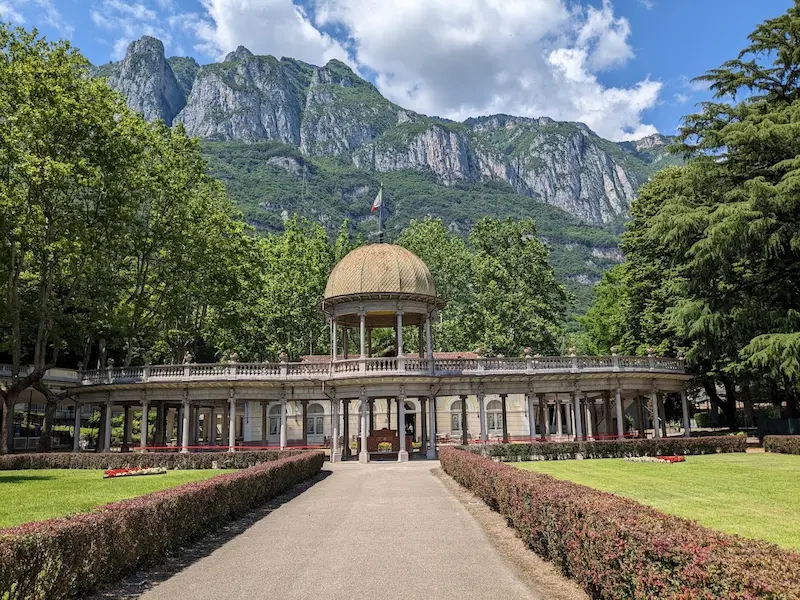
The 19th and early 20th centuries brought massive expansion and architectural embellishment. Major thermal establishments were built in Art Nouveau (Liberty style in Italian) and neo-Gothic styles featuring rich decoration, ornamental details inspired by nature and neoclassical concepts, grand halls with frescoes by famous artists, marble fountains, colonnaded pavilions, and extensive landscaped gardens. The elegant architecture and parkland created an atmosphere reminiscent of the Belle Epoque era when European spa culture reached its peak. Montecatini attracted aristocracy, wealthy tourists, artists, composers, writers, and notable figures from across Europe. Giuseppe Verdi, the famous composer, lived in Montecatini for over 10 years benefiting from the thermal waters. Other illustrious visitors included Ruggero Leoncavallo, Giacomo Puccini, and King Vittorio Emanuele II. Fashion designer Christian Dior died in a Montecatini hotel. These famous visitors are commemorated on the Walk of Fame along Viale Giuseppe Verdi, the main promenade, where circular plaques record the names of important people who visited the spa town.

In 2021, Montecatini Terme was inscribed on the UNESCO World Heritage List as part of the Great Spa Towns of Europe, a transnational serial property recognizing 11 European spa towns that exemplify the development and popularity of spa culture from the 18th through 20th centuries. The other towns in the UNESCO designation include Bath (United Kingdom), Vichy (France), Bad Ems, Bad Kissingen, and Baden-Baden (Germany), Spa (Belgium), Baden bei Wien (Austria), and Karlovy Vary, Frantiskovy Lazne, and Marianske Lazne (Czech Republic). This UNESCO recognition acknowledges Montecatini's exceptional architectural heritage, urban planning centered on thermal facilities, and cultural significance as a major European spa destination. The designation protects the historic thermal buildings and parkland for future generations.

Location & Access

Terme di Montecatini is located in Montecatini Terme in northern Tuscany. By car from Florence, take the A11 Autostrada Firenze-Mare (Florence-Sea motorway) west toward the coast and exit at Montecatini Terme. From the exit, follow signs to the town center and Viale Verdi where most thermal establishments are located. The drive takes approximately 40 to 50 minutes depending on traffic. From Pisa, take the A11 east toward Florence and exit at Montecatini Terme (approximately 50 to 60 minutes). From Lucca, take the A11 or smaller roads through Pescia toward Montecatini (approximately 25 to 35 minutes). From Siena, take roads north through the Chianti region toward Florence, then the A11 west (approximately 1.5 to 2 hours). The town center is compact and walkable with thermal establishments concentrated along Viale Giuseppe Verdi and the surrounding Thermal Park. Parking is available near the spa facilities with both street parking and dedicated lots.

By train, Montecatini Terme has an excellent railway station on the Florence-Viareggio line with frequent service from Florence (30 to 40 minutes), Pisa (45 to 60 minutes), Lucca (20 to 30 minutes), and other Tuscan cities. The railway station was built in 1853 and the current elegant building designed by architect Angiolo Mazzoni was inaugurated in 1937 to handle the increasing spa tourism. From the train station, the thermal facilities are within walking distance (approximately 10 to 15 minutes) or accessible via local buses or taxis. The convenient train access makes Montecatini an easy day trip from Florence or other cities, or an ideal base for exploring Tuscany while enjoying thermal treatments. Many visitors choose Montecatini as their accommodation base due to abundant hotels at various price points, excellent transport connections, and lower prices compared to Florence or Siena.

By air, the nearest airports are Florence Airport (Peretola) approximately 50 kilometers away (45 to 60 minute drive), Pisa International Airport (Galileo Galilei) approximately 60 kilometers away (50 to 70 minute drive), and Bologna Airport farther north (approximately 130 kilometers, 1.5 to 2 hours). Rental cars are available at all airports or transfers can be arranged through hotels. Montecatini's strategic location positions it well for exploring Tuscany's art cities and attractions. Florence is 35 kilometers (accessible by train or car in under 1 hour), Pisa 60 kilometers (1 hour), Lucca 30 kilometers (30 minutes), Siena 110 kilometers (1.5 hours), Viareggio and the Versilia coast 40 kilometers (40 minutes), and smaller Tuscan towns including Pistoia (13 kilometers), Pescia, Collodi (home of Pinocchio Park), and Vinci (birthplace of Leonardo da Vinci) all within short drives.

A highlight of visiting Montecatini is the historic funicular railway (funicolare) connecting Montecatini Terme in the valley with Montecatini Alto, the ancient medieval village perched on a hilltop 260 meters above the modern spa town. The funicular features bright red wooden carriages running through olive groves and offers spectacular views across the valley and surrounding hills. The journey takes approximately 10 minutes. Montecatini Alto preserves medieval architecture, narrow cobblestone streets, stone houses, small piazzas, the Church of Santa Maria Assunta, and restaurants serving traditional Tuscan cuisine. The funicular has operated since the late 19th century and remains a beloved attraction combining practical transport with scenic experience. Visitors can also reach Montecatini Alto via hiking paths through the hills for those seeking outdoor activity.

Suitability & Accessibility

Terme di Montecatini suits visitors seeking therapeutic mineral water treatments in historic settings with Belle Epoque architecture, families interested in combining spa experiences with Tuscan cultural tourism, elderly visitors and individuals with specific health conditions benefiting from thermal therapies, and anyone interested in experiencing authentic Italian spa culture in a UNESCO World Heritage environment. The municipal public access nature of Montecatini's facilities creates an accessible atmosphere different from exclusive luxury resorts. The thermal establishments accommodate larger numbers of visitors and provide services across a range of price points from basic drinking fountain access at Tettuccio to comprehensive treatment packages at the wellness spas. The affordability and historical significance make Montecatini popular with Italian families, international tourists, and visitors of all ages and budgets. The town offers extensive hotel accommodations from two-star to five-star properties, many within walking distance of thermal facilities.

The thermal complex is wheelchair accessible in most modern areas and renovated historic sections. Stabilimento Redi (the most modern facility built in 1962) is fully accessible with ramps, elevators, accessible changing rooms, and accessible treatment areas. Terme Excelsior (built 1907, renovated for wellness spa use) has accessibility features in public areas and most treatment rooms. Terme Tettuccio and Terme Leopoldine, as historic buildings from the 18th and early 20th centuries, have some architectural features not designed for modern accessibility including stairs, raised thresholds, and narrow passages in certain areas. However, significant effort has been made to improve access through ramps, accessible routes to main halls and drinking fountains, accessible restrooms, and staff assistance. Guests with mobility concerns should contact the specific thermal establishment in advance to confirm accessibility of desired facilities and to arrange any needed assistance. The town streets around the Thermal Park are relatively flat and walkable with wide boulevards and sidewalks along Viale Verdi.

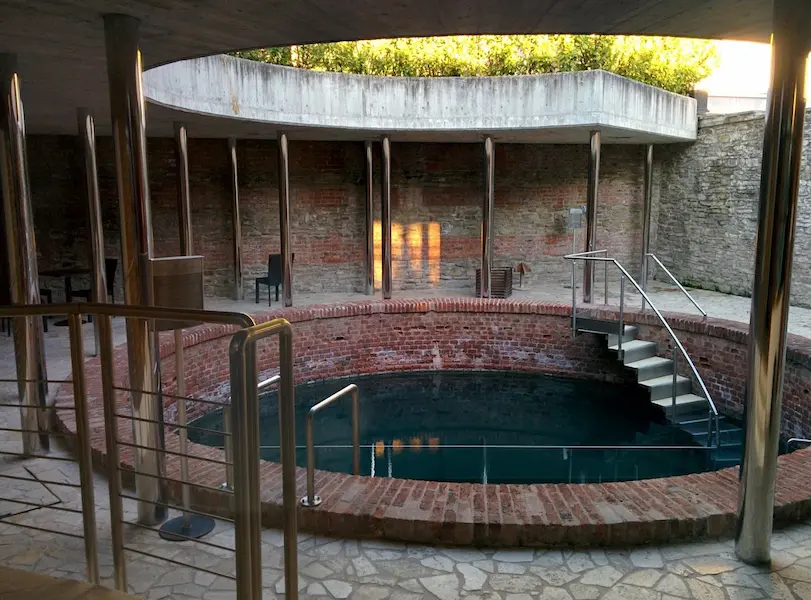
Montecatini draws thermal water from four main spring sources with distinct mineral compositions and therapeutic properties. The springs emerge from depths of approximately 70 meters underground and are enriched with minerals including sulfates, bicarbonates, sodium, calcium, magnesium, and other compounds as the water travels through subsurface geological formations. Water temperatures range from 24 to 33.4 degrees Celsius depending on the specific source. The thermal waters are classified as saline-sulphate-bicarbonate-sodic (meaning they contain significant concentrations of salt, sulfate, bicarbonate, and sodium). These mineral compositions provide therapeutic benefits for digestive system conditions, liver and biliary diseases, metabolic disorders, and other health applications. The four spring sources are Leopoldina, Regina, Tettuccio, and Rinfresco, each with specific therapeutic indications.

Acqua Leopoldina is very rich in mineral salts and is used primarily for inhalation therapy treating respiratory conditions including rhinitis (nasal inflammation), sinusitis, pharyngitis (throat inflammation), bronchitis, and rhinogenic deafness (hearing problems related to nasal/sinus conditions). The high mineral content provides mucolytic properties (breaking down mucus) helping clear respiratory passages. Leopoldina water is also used for its intestinal cleansing effect due to mild laxative properties from sulfate content, and as the liquid component of thermal mud treatments applied to joints and muscles for chronic rheumatic conditions, arthritis, rehabilitation from fractures, and musculoskeletal pain. Acqua Regina acts primarily at the biliary level (gallbladder and bile ducts) and is beneficial for mild liver insufficiency and chronic liver diseases. Regina water supports bile flow from liver to intestines and hepatic function. Acqua Tettuccio has depurative (cleansing) action on the liver and is useful for hypercholesterolemia (high cholesterol), gastritis, dyspepsia (indigestion), dyslipidemia (abnormal fat levels in blood), and irritable bowel syndrome. Tettuccio is the most famous source and its fountain in the palatial Terme Tettuccio hall is an iconic image of Montecatini. Acqua Rinfresco carries out mild diuretic action, facilitates elimination of metabolic waste products, and partially restores mineral salt content depending on its composition. Rinfresco water along with Leopoldina water is used for balneotherapy (therapeutic bathing) when ozone gas is added, making them suitable for treating peripheral vascular diseases (poor circulation in limbs).

Safety & Etiquette

Terme di Montecatini Safety Tips

Terme di Montecatini is generally very safe due to professional management, trained medical and spa staff, maintained historic and modern facilities, and comprehensive safety protocols standard in public thermal establishments. The thermal water temperatures are moderate (24 to 33.4 degrees Celsius) and comfortable for drinking treatments and bathing therapies without extreme heat risks. The drinking water treatments (hydroponic therapy or crenotherapy) are the primary therapeutic use at Montecatini. Visitors drink prescribed amounts of mineral water from fountains at designated establishments (particularly Tettuccio, Regina, Leopoldina) following medical guidance and established protocols. These treatments should be undertaken under medical supervision or following instructions provided by thermal facility staff. The mineral-rich waters are effective for digestive, liver, and metabolic health when used appropriately, but excessive consumption or improper use can cause digestive discomfort including bloating, cramping, or diarrhea due to laxative effects of sulfate minerals. Follow recommended amounts and timing. Do not drink thermal water casually as if it were regular drinking water. It is medicine and should be treated as such.

Individuals planning therapeutic drinking treatments should consult thermal facility medical staff or their own physicians before beginning treatments, particularly those with kidney conditions, electrolyte imbalances, severe digestive disorders, or other medical concerns. The thermal establishments can provide medical consultations as part of treatment programs. Some treatments are covered by the Italian National Health Service when prescribed for medical purposes, reflecting the recognized therapeutic value of the waters. For wellness visitors not seeking medical treatments, tasting small amounts from the fountains at Tettuccio is culturally acceptable and provides an authentic spa town experience, but visitors should not consume large quantities without understanding the effects and purposes of each water source. Staff at the establishments can explain the properties and recommended use of each fountain.

The historic thermal buildings are magnificent architectural treasures but also contain period features requiring care. Terme Tettuccio, Terme Leopoldine, and other historic establishments have marble floors, stone staircases, ornamental features, and elegant but sometimes uneven surfaces. Walk carefully in these environments, use handrails on stairs, watch for changes in floor levels, and avoid rushing. The buildings can be crowded during peak tourist seasons (spring through fall) and during morning hours when drinking treatments are traditionally performed. Be patient and courteous with other visitors in shared spaces. The atmosphere at Montecatini is generally calm and genteel reflecting the Belle Epoque spa culture; maintain appropriate volume and behavior respecting the relaxation focus of the environment. Many visitors are elderly or seeking health treatments and appreciate peaceful surroundings.

For bathing therapies, mud treatments, inhalation therapies, and physiotherapy at Stabilimento Redi and other treatment facilities, all services are performed by trained licensed professionals following medical protocols. These treatments are effective for arthritis, rheumatic conditions, respiratory diseases, vascular pathologies, and post-injury rehabilitation but require proper application and medical supervision. Inform medical staff and therapists of all health conditions, medications, allergies, and concerns before treatments. People with acute infections, fever, severe cardiovascular conditions, or certain contraindicated medical states should not use thermal mud or bathing without medical clearance. Thermal mud is prepared by mixing clay or mineral-rich sediments with thermal water, heating the mixture, and applying it to affected body areas. The combination of heat, minerals, and therapeutic compounds provides anti-inflammatory effects and pain relief but can stress the cardiovascular system in some individuals. Inhalation therapies using nebulized thermal water vapors are beneficial for respiratory conditions but can cause temporary increased mucus production or coughing as the treatment stimulates respiratory clearance. This is a normal therapeutic response. Inform staff if experiencing discomfort or unexpected reactions during any treatment.

Hydration is important during thermal treatments even though water temperatures at Montecatini are moderate compared to very hot thermal springs elsewhere. Drinking mineral water as part of treatments provides hydration, but visitors should also drink regular water throughout the day particularly after inhalation therapies, mud applications, or bathing treatments that may increase perspiration. The thermal facilities provide water and refreshments. The pleasant Tuscan climate and walkable town encourage outdoor activity; bring water when exploring Montecatini Terme and Montecatini Alto. The Thermal Park surrounding the spa buildings offers beautiful gardens, tree-lined paths, benches, and shaded areas perfect for relaxing walks between treatments or for enjoying the elegant Belle Epoque atmosphere even without undergoing formal spa services. Visiting Tettuccio to admire the architecture, hear live music (sometimes chamber ensembles perform in the grand halls), and taste the therapeutic waters from fountains is a quintessential Montecatini experience accessible to all visitors.

Frequently Asked Questions

1
What is Terme Tettuccio?
Terme Tettuccio is the most famous and architecturally spectacular thermal establishment in Montecatini Terme. Originally built between 1779 and 1781, the complex was restructured in 1928 and transformed into a palatial Art Nouveau masterpiece. Tettuccio features large decorated halls with frescoed ceilings painted by famous early 20th-century artists, marble floors, colonnaded galleries, ornamental details, and landscaped gardens. The name Tettuccio comes from the thermal spring source. The establishment is primarily a drinking spa where visitors drink therapeutic mineral water dispensed from elegant fountains in granite pools. Four different fountains offer waters for various health conditions including diabetes, digestive problems, liver disorders, and cholesterol reduction. Beyond treatments, Tettuccio is an architectural and cultural experience. Visitors come to admire the beauty, enjoy morning coffee in the grand cafe, hear chamber music performances, and experience the Belle Epoque spa atmosphere.
2
Is Montecatini a UNESCO World Heritage Site?
Yes, Montecatini Terme became a UNESCO World Heritage Site in 2021 as part of the Great Spa Towns of Europe, a transnational serial property recognizing 11 European spa towns. The designation acknowledges towns that exemplify the important phenomenon of European spa culture from the 1700s through the 1930s. Montecatini was selected for its exceptional Art Nouveau and neo-Gothic architecture, historic thermal establishments including the ancient Tettuccio complex, urban planning centered on thermal facilities and parkland, and cultural significance as one of Europe's most prestigious spa destinations during the Belle Epoque era. The other UNESCO-designated Great Spa Towns are Bath (UK), Vichy (France), Bad Ems, Bad Kissingen, and Baden-Baden (Germany), Spa (Belgium), Baden bei Wien (Austria), and Karlovy Vary, Frantiskovy Lazne, and Marianske Lazne (Czech Republic).
3
What are the four thermal spring sources?
Montecatini has four main thermal spring sources with distinct mineral compositions and therapeutic properties. Acqua Leopoldina is very rich in mineral salts and used for inhalation therapy treating respiratory conditions, intestinal cleansing due to mild laxative properties, and as the liquid component of therapeutic mud for joint and muscle conditions. Acqua Regina acts at the biliary level treating mild liver insufficiency and chronic liver diseases by supporting bile flow and hepatic function. Acqua Tettuccio (the most famous source) has depurative action on the liver and treats high cholesterol, gastritis, indigestion, abnormal blood fat levels, and irritable bowel syndrome. Acqua Rinfresco provides mild diuretic action, facilitates waste elimination, and restores mineral salt levels. When combined with ozone gas, Rinfresco and Leopoldina are used for balneotherapy treating peripheral vascular diseases.
4
What is the funicular to Montecatini Alto?
The funicular railway (funicolare) is a beloved historic attraction connecting Montecatini Terme in the valley with Montecatini Alto, the ancient medieval village 260 meters above on a hilltop. The funicular features bright red wooden carriages running through olive groves and offers spectacular panoramic views across the valley and surrounding Tuscan hills. The journey takes approximately 10 minutes. The funicular has operated since the late 19th century and combines practical transportation with scenic experience. Montecatini Alto preserves medieval architecture including narrow cobblestone streets, stone houses, small piazzas, the Church of Santa Maria Assunta, and traditional Tuscan restaurants. Visitors can take the funicular up for lunch in the medieval village, explore the historic center, enjoy views, then return to the spa town. Alternatively, hiking paths connect the two towns for those wanting outdoor activity.
5
Who were famous visitors to Montecatini?
Montecatini attracted many famous visitors during its heyday as a fashionable European spa destination. Composer Giuseppe Verdi lived in Montecatini for over 10 years benefiting from the thermal waters. Other musical figures included Ruggero Leoncavallo and Giacomo Puccini. King Vittorio Emanuele II visited the spa. Fashion designer Christian Dior died in a Montecatini hotel. These and other illustrious visitors are commemorated on the Walk of Fame along Viale Giuseppe Verdi, the main promenade through the Thermal Park, where circular plaques record the names of important people who visited the town. The presence of aristocracy, artists, composers, writers, and notable figures from across Europe during the late 19th and early 20th centuries established Montecatini's reputation as one of the most prestigious spa destinations in Europe during the Belle Epoque period.

Location

Address:
Viale Giuseppe Verdi 41, 51016 Montecatini Terme (PT)
Coordinates:
10.7755
,
43.8808
43.8808
10.7755
Terme di Montecatini, Italy
Text Link
Viale Giuseppe Verdi 41, 51016 Montecatini Terme (PT)

Other hot springs in

Italy