Valle dei Bagni di Masino, Italy
Natural thermal spring at 38C in the granite Val Masino valley, Lombardy. Historic spa complex closed; spring and ERSAF forest are entirely free to visit.
Localita Bagni di Masino, 23010 Val Masino (SO), Italy
Sondrio
IT
46.24425
9.60858
Wild / Natural
Free
Short hike
Remote area (natural hazards)
Clothing optional
true
false
Europe
valle-dei-bagni-di-masino-italy

What is Valle dei Bagni di Masino?
Valle dei Bagni di Masino is a natural thermal spring site at the head of the Val Masino valley in the Valtellina, Province of Sondrio, Lombardy. The spring has been known since at least the 15th century for its sulphate-bicarbonate mineral water, which emerges at approximately 38 degrees Celsius. The historic spa complex on the site has been closed for many years and the buildings are abandoned. A thermal fountain beside the former hotel still delivers spring water at 38C and is free to visit. The site sits within the ERSAF-managed Foresta Regionale Val Masino.
Is the Bagni di Masino spa open?
No. The spa complex at Bagni di Masino has been closed for many years. The closure began due to repeated landslide closures of the provincial road SP9, which made the site inaccessible during autumn and spring, leading to the management contract being terminated. The hotel, thermal pools, restaurant, and Turkish bath carved into the rock are all closed and the buildings are in a state of abandonment. Local operators and the municipal authority have called for the site to be revitalised, but no reopening has taken place. The thermal fountain at the site continues to flow naturally and is free to access.
Can I bathe at Bagni di Masino?
Not at present. The bathing facilities including pools, tubs, and the historic Turkish bath carved into the rock are all closed as part of the abandoned spa complex. Only the natural thermal fountain, which delivers spring water at approximately 38 degrees Celsius, remains accessible. Drinking the mineral water has been the traditional use associated with this source. There is currently no managed bathing option at the site.
How do I reach Bagni di Masino from Sondrio?
From Sondrio, drive west along the SS38 to Ardenno, then follow signs for Val Masino into the valley. Continue through Cataeggio and San Martino Val Masino, then take the SP9 road towards Bagni di Masino. The total drive from Sondrio is approximately 30 kilometres and takes around 40 minutes. Always check road conditions before visiting, as the SP9 is subject to seasonal closures due to landslide and rock fall risk.
Is the Val Masino forest free to visit?
2026-09-21
Updated September 21, 2026
Valle dei Bagni di Masino, Italy
Natural thermal spring at 38C in the granite Val Masino valley, Lombardy. Historic spa complex closed; spring and ERSAF forest are entirely free to visit.
Safety Level
Remote area (natural hazards)
What to Wear
Clothing optional
Address
Localita Bagni di Masino, 23010 Val Masino (SO), Italy
Find a place to stay
Compare prices near this exact spot across Booking.com, Expedia and more.
See nearby stays →
Overview
About Valle dei Bagni di Masino
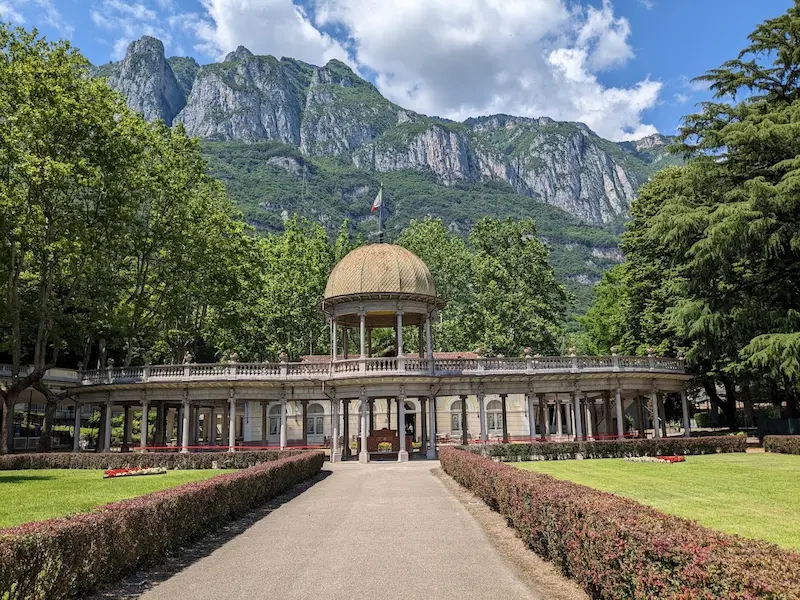
Valle dei Bagni di Masino, Italy is a natural thermal spring site at the head of the Val Masino valley in the Valtellina, Province of Sondrio, Lombardy. The site sits within a granite Alpine landscape of dense beech and fir forest, beneath the towering rock walls that make the Val Masino one of the most important climbing destinations in the Alps. The thermal spring has been known and documented since at least the 15th century for the beneficial properties of its sulphate-bicarbonate mineral water, which emerges at approximately 38 degrees Celsius.
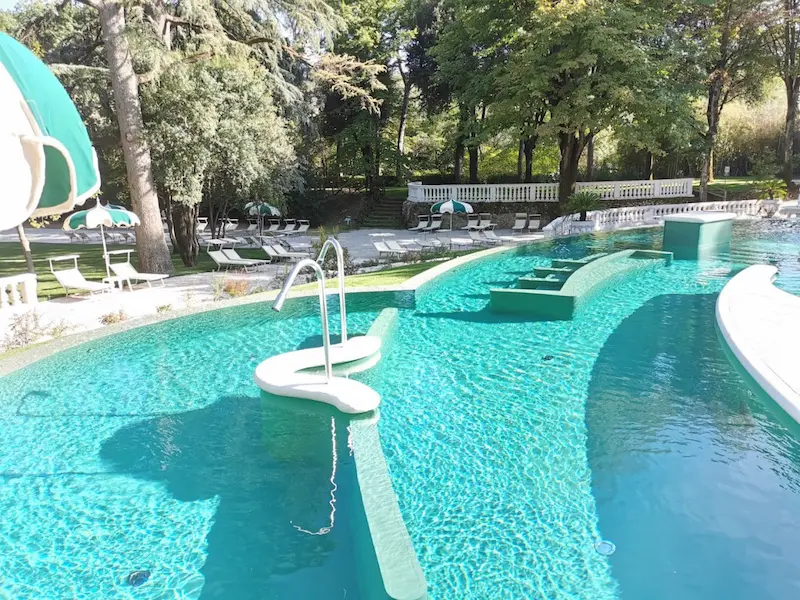
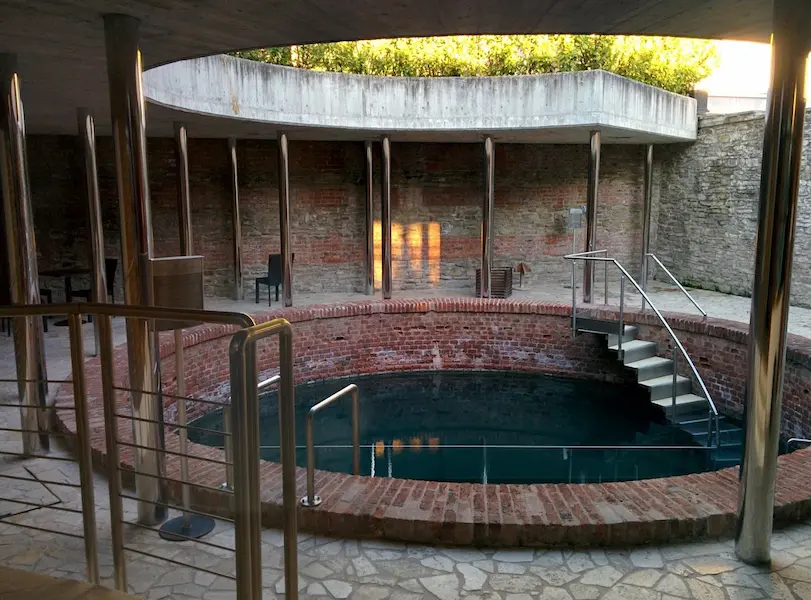
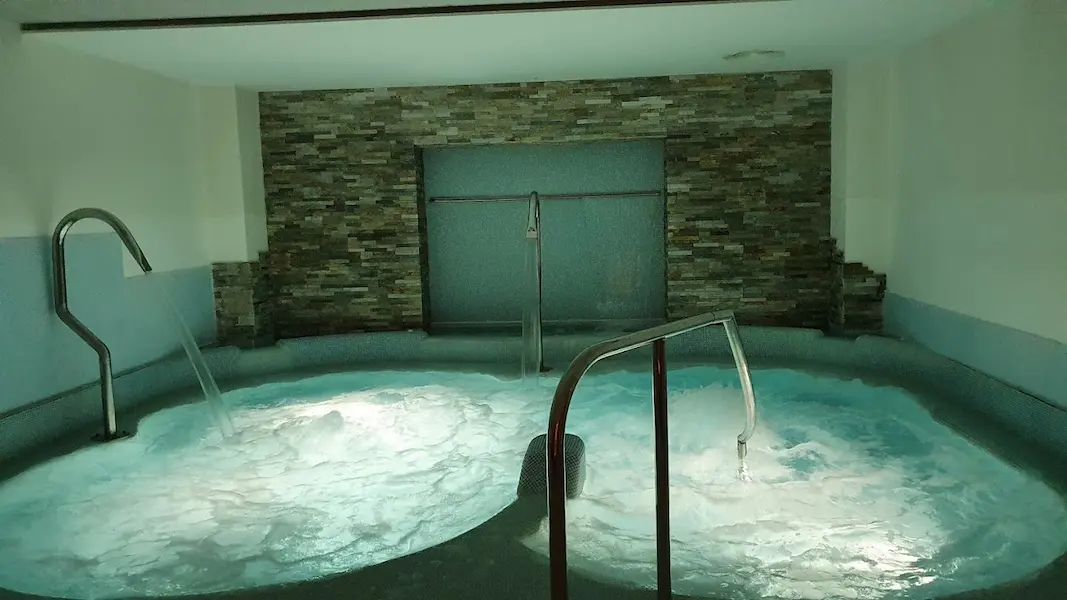
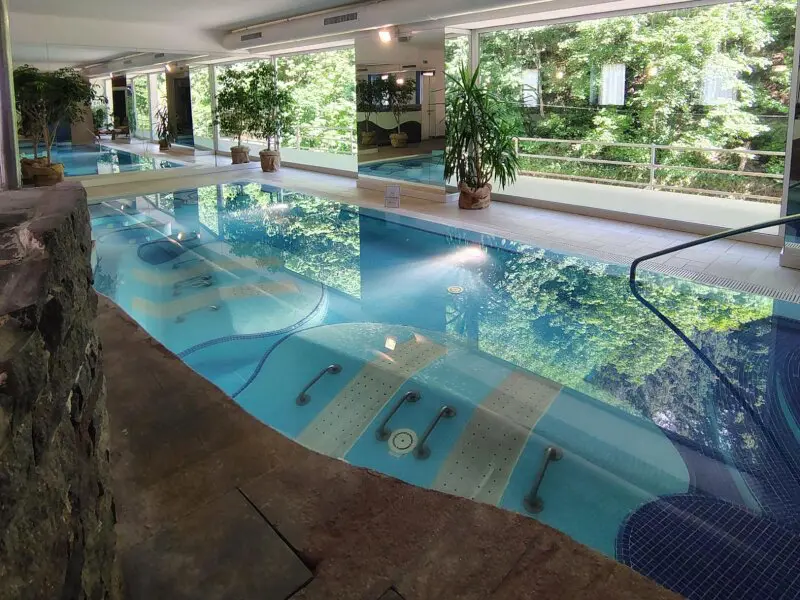
The historic spa complex, which once included a hotel, restaurant, thermal pools, a Turkish bath carved into the rock, and a sauna, has been closed for many years. Repeated landslide closures of the provincial road led to the management contract being terminated. The buildings remain on site but are not operational. A natural thermal fountain beside the former Albergo dei Bagni still delivers spring water at 38 degrees Celsius, accessible at no charge.
The surrounding Foresta Regionale Val Masino is managed by ERSAF. The forest covers nearly 3,000 hectares and is open year-round. The acque termali that supply the fountain are a genuine natural hot spring of the Valtellina.
Location & Access
Getting to Valle dei Bagni di Masino
Valle dei Bagni di Masino is reached by driving the provincial road SP9 from San Martino Val Masino, a village approximately 3 kilometres further up the valley. San Martino is itself reached from Ardenno on the SS38 Valtellina road, which runs along the valley floor between Sondrio and Colico. From Sondrio, the drive to San Martino takes approximately 30 minutes. The SP9 road to the Bagni di Masino site is currently open according to the Val Masino tourism authority, though it is a narrow mountain road with limited passing places.
By public transport, Ardenno is served by trains on the Tirano-Lecco line, with connections from Milan and Sondrio. A bus service links Ardenno to San Martino Val Masino. From San Martino, there is no public transport to the Bagni di Masino site; visitors must drive or walk the remaining road to the thermal fountain. The walk from San Martino to the Bagni site is approximately 3 to 4 kilometres and takes around 60 to 90 minutes on foot along the road and forest paths.
Parking in the Val Masino valley is limited and managed during peak season. The Bregolana car park, on the provincial road before San Martino, provides access to both the Val di Mello nature reserve and the Bagni di Masino forest path. For those researching natural hot springs in Italy in a remote alpine setting, the approach along the valley offers views of the granite peaks of the Masino-Bregaglia group and the beech forest of the Foresta dei Bagni.
Suitability & Accessibility
Who Valle dei Bagni di Masino Suits
Valle dei Bagni di Masino suits adults and families with older children who want to visit a historic natural thermal spring in a remote Alpine forest setting. The site is free to access and there are no age restrictions on the outdoor forest and spring area. The walk from San Martino Val Masino to the spring is a straightforward forest path with moderate gradient, suitable for those with reasonable fitness. The natural hot springs in Italy of the Val Masino are well known to hikers and climbers using the valley as a base.
The spa complex itself is closed and not accessible. Visitors should not attempt to enter the abandoned buildings. The thermal fountain beside the former hotel staircase is the accessible point of interest; drinking the spring water has historically been one of the uses noted for this source. There are no changing facilities, pools, or managed bathing options at the site in its current condition.
Wheelchair access to the Bagni di Masino site is not possible. The SP9 mountain road and the forest paths are unpaved in sections and involve gradients unsuitable for wheelchair users. The Bregolana car park area, lower in the valley, provides some accessible walking on flatter ground near the valley floor but does not reach the thermal spring itself.
The Foresta dei Bagni di Masino is recommended for autumn visits when the beech forest is most atmospheric. The ERSAF Information Centre is open in summer, and the Casera dei Bagni Masino provides basic accommodation and activities in the forest.
Safety & Etiquette
Valle dei Bagni di Masino Safety Tips
Valle dei Bagni di Masino is in a remote Alpine valley and visitors should treat it as a serious mountain environment. The provincial road SP9 is narrow and subject to seasonal closures from landslide risk; always check current road conditions with the Val Masino tourism authority before visiting, particularly in autumn and spring when rock fall and avalanche risk are highest. The valley road has a history of closure that caused the original spa complex to close permanently. Do not drive beyond marked access points during adverse conditions.
The abandoned spa buildings at the site are structurally compromised and should not be entered under any circumstances. The site has experienced landslide activity and the surrounding granite terrain is steep and unstable in places. Keep to established forest paths and the main road when moving through the site. Children should be supervised at all times near the abandoned structures and along sections of the path that run close to the stream and rock faces.
The thermal fountain at 38 degrees Celsius has a sulphate-bicarbonate mineral composition. Drinking it in small amounts is the traditional use; bathing is not currently possible as no infrastructure remains accessible. Those with kidney conditions or sensitivity to mineral water should consult a doctor before drinking from a natural spring. Bring water, food, and wear appropriate footwear for the forest paths.
The Val Masino is a world-class climbing destination and the paths can be busy with climbers in peak season. Respect ERSAF forest regulations, take litter with you, and note that mobile signal is limited in the upper valley.
Frequently Asked Questions
1
What is Valle dei Bagni di Masino?
Valle dei Bagni di Masino is a natural thermal spring site at the head of the Val Masino valley in the Valtellina, Province of Sondrio, Lombardy. The spring has been known since at least the 15th century for its sulphate-bicarbonate mineral water, which emerges at approximately 38 degrees Celsius. The historic spa complex on the site has been closed for many years and the buildings are abandoned. A thermal fountain beside the former hotel still delivers spring water at 38C and is free to visit. The site sits within the ERSAF-managed Foresta Regionale Val Masino.
2
Is the Bagni di Masino spa open?
No. The spa complex at Bagni di Masino has been closed for many years. The closure began due to repeated landslide closures of the provincial road SP9, which made the site inaccessible during autumn and spring, leading to the management contract being terminated. The hotel, thermal pools, restaurant, and Turkish bath carved into the rock are all closed and the buildings are in a state of abandonment. Local operators and the municipal authority have called for the site to be revitalised, but no reopening has taken place. The thermal fountain at the site continues to flow naturally and is free to access.
3
Can I bathe at Bagni di Masino?
Not at present. The bathing facilities including pools, tubs, and the historic Turkish bath carved into the rock are all closed as part of the abandoned spa complex. Only the natural thermal fountain, which delivers spring water at approximately 38 degrees Celsius, remains accessible. Drinking the mineral water has been the traditional use associated with this source. There is currently no managed bathing option at the site.
4
How do I reach Bagni di Masino from Sondrio?
From Sondrio, drive west along the SS38 to Ardenno, then follow signs for Val Masino into the valley. Continue through Cataeggio and San Martino Val Masino, then take the SP9 road towards Bagni di Masino. The total drive from Sondrio is approximately 30 kilometres and takes around 40 minutes. Always check road conditions before visiting, as the SP9 is subject to seasonal closures due to landslide and rock fall risk.
5
Is the Val Masino forest free to visit?
Yes. The Foresta Regionale Val Masino, which includes the Valle dei Bagni di Masino sector, is managed by ERSAF and is free to enter. The forest covers nearly 3,000 hectares and includes marked walking trails, picnic areas, and a sensory path. The ERSAF Information Centre is open during summer months. The Casera dei Bagni Masino, managed by Legambiente Lombardia, provides basic accommodation and educational activities. Parking charges apply at the managed car parks in the valley at the rate of approximately 10 euros per day.
Gallery
No pictures available for this hot spring.
Location
Address:
Localita Bagni di Masino, 23010 Val Masino (SO), Italy
Find a place to stay
Compare prices near this exact spot across Booking.com, Expedia and more.
See nearby stays →
46.24425
9.60858
Valle dei Bagni di Masino, Italy
Text LinkLocalita Bagni di Masino, 23010 Val Masino (SO), Italy
More hot springs in Italy
Some accommodation links on this site are affiliate links. If you book through them, we may earn a small commission at no additional cost to you. This helps keep hotspringsguides.com free to use.