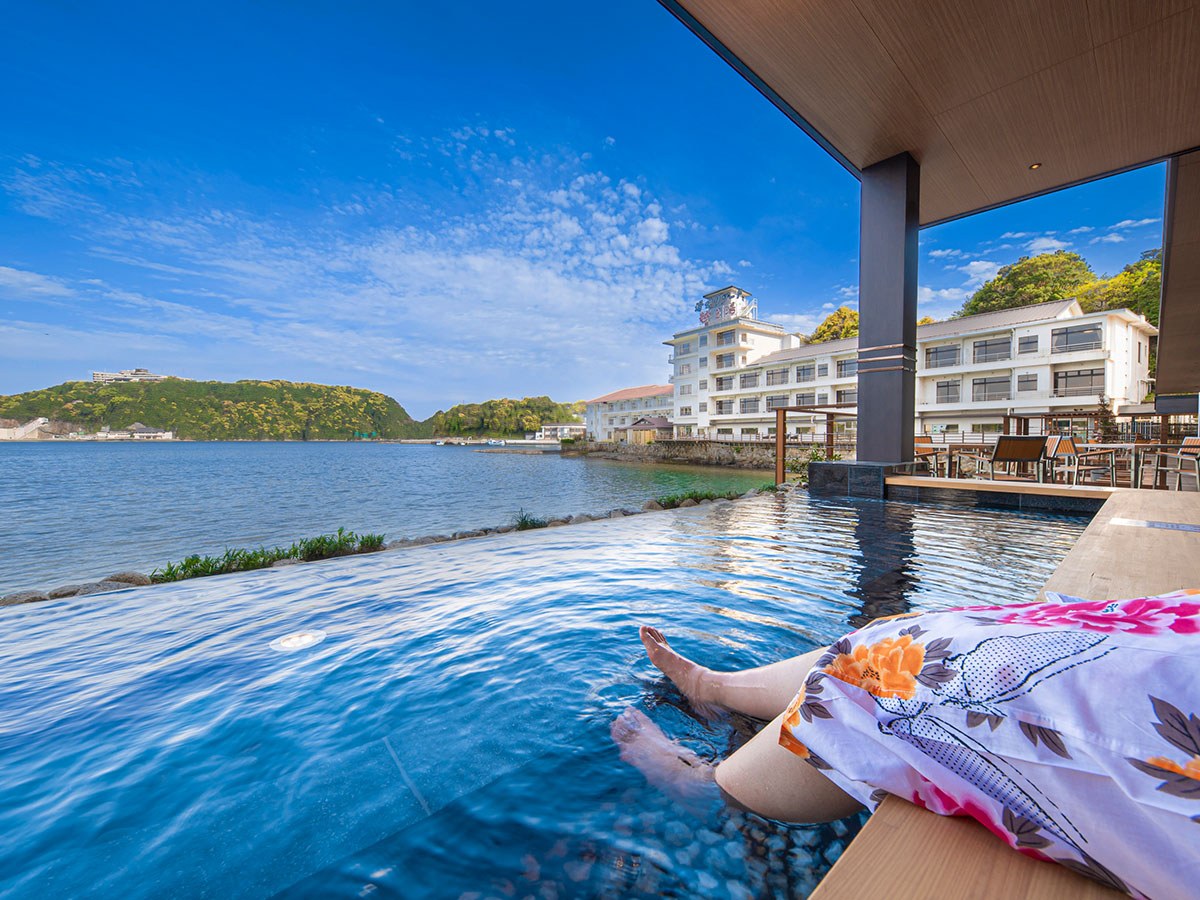
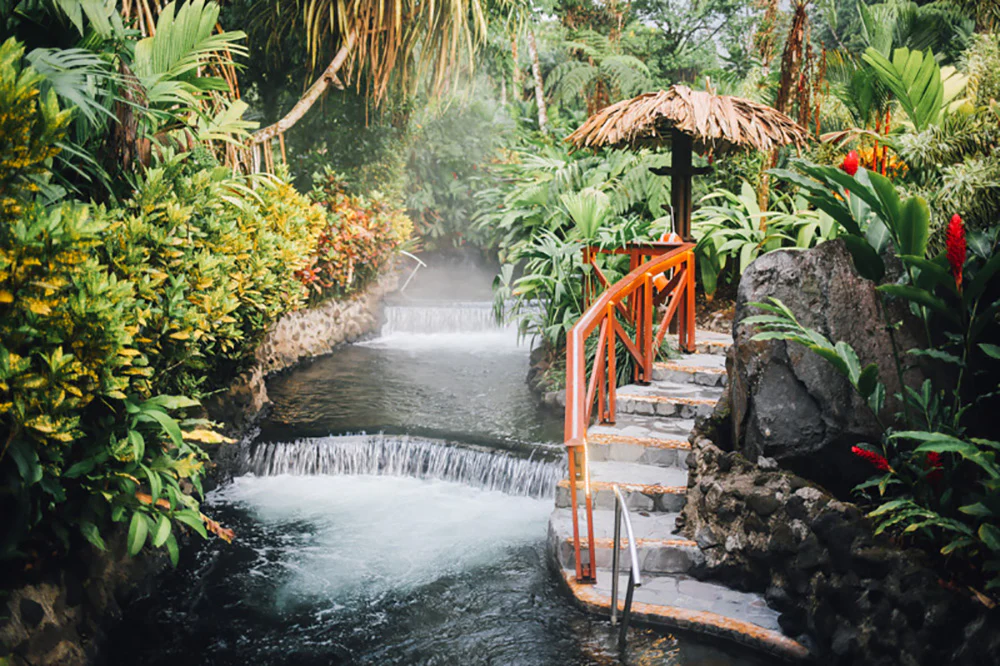
Asia’s hot springs don’t behave like a single “region.” In Japan and Taiwan, the soak often comes with a routine: wash first, follow the house rules, keep it quiet, and expect posted guidance on tattoos, towels, and photography. In Korea, many travelers meet hot spring culture through jjimjilbangs and bathhouses - more social, often open late, and built for lingering. Then the continent flips again in the Himalayas and Central Asia: springs show up as trail-side pools or village baths, where access depends on road breaks, snow, and whether the river is running high. In parts of Southeast Asia and China, the default is a hot spring park -multiple pools, families, snacks nearby, and peak-time crowds.
Most trips come down to three formats: bathhouses/onsen (etiquette-heavy and predictable), resort-style spring complexes (easy logistics, timed entry), and natural pools (variable temperature, rougher access). Before you pick a place, check local entry rules and the seasonal monsoon rain, typhoons, winter closures, and landslides change plans faster than a map does.